

Vintage Wall Tapestry
Vintage wall tapestry encompasses rich textile panels, needlework pictures, and woven hangings spanning centuries of global craft.
Vintage Wall Tapestry
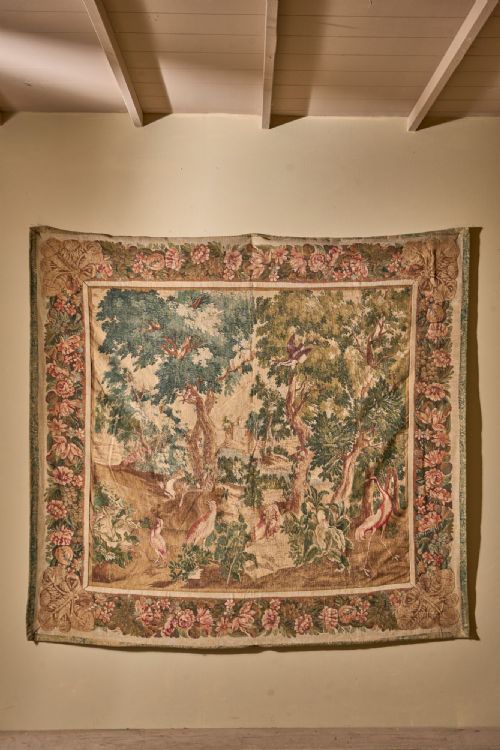
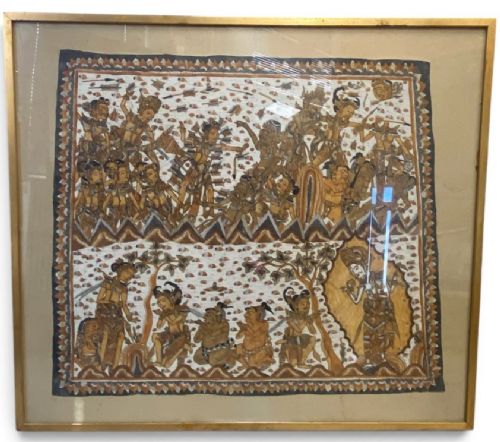
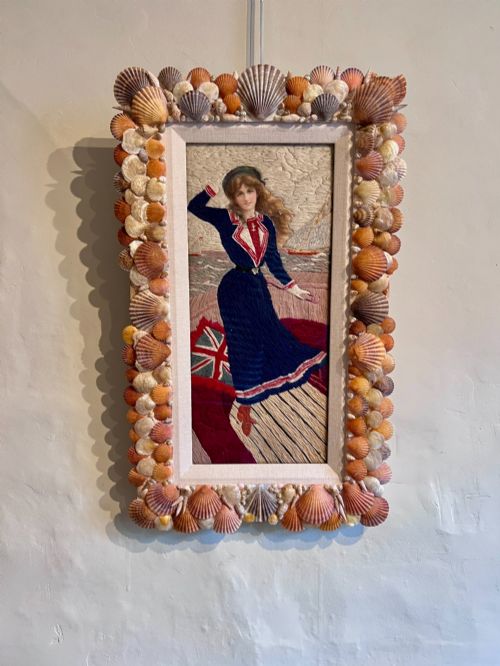
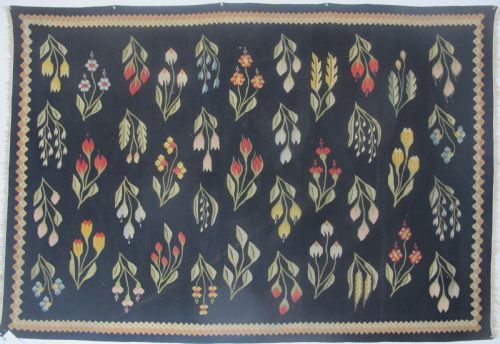
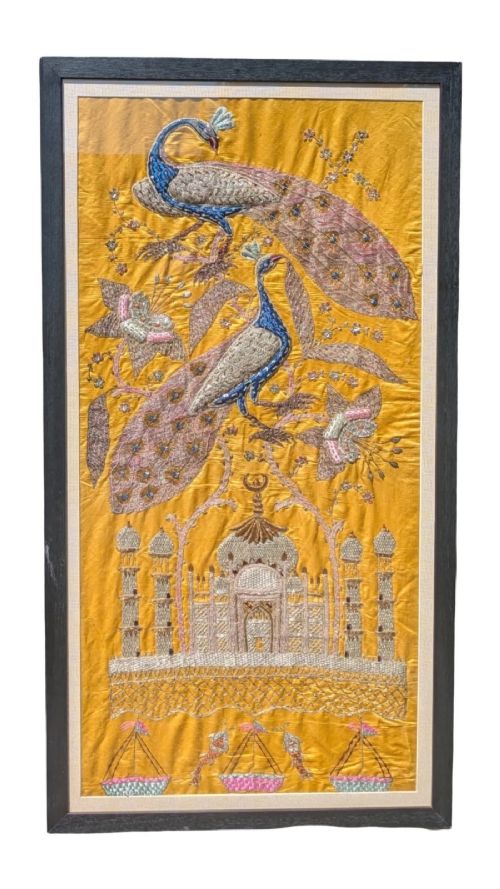
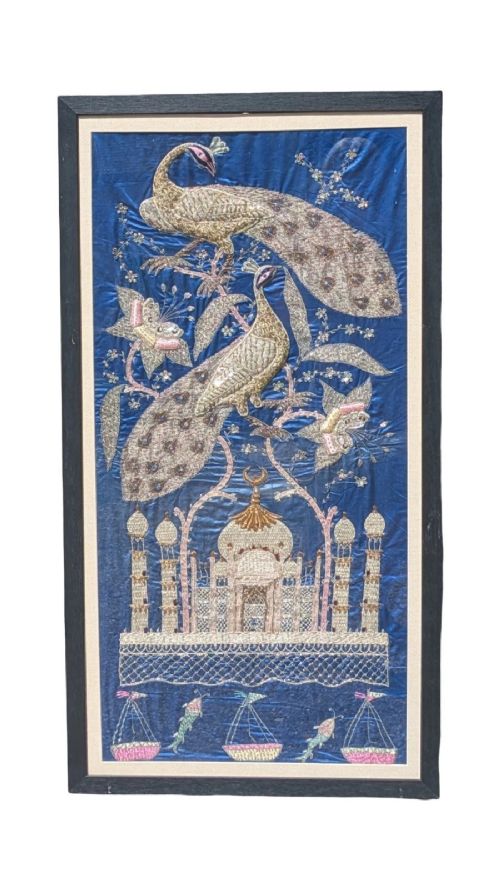
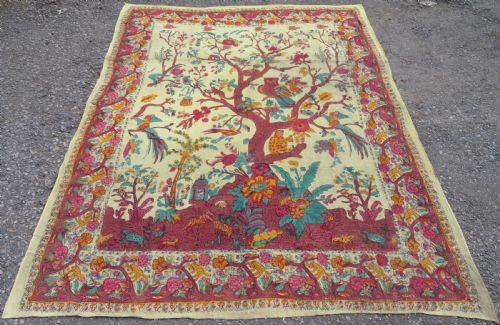
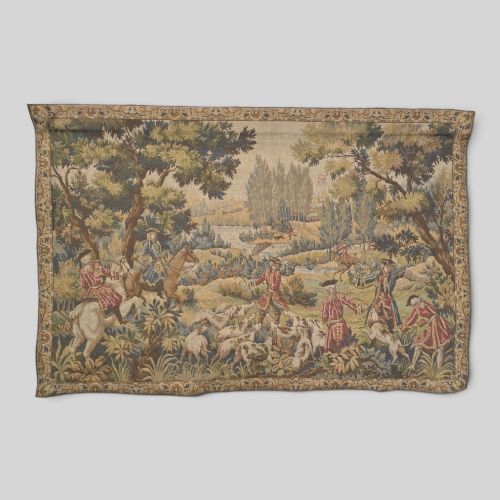
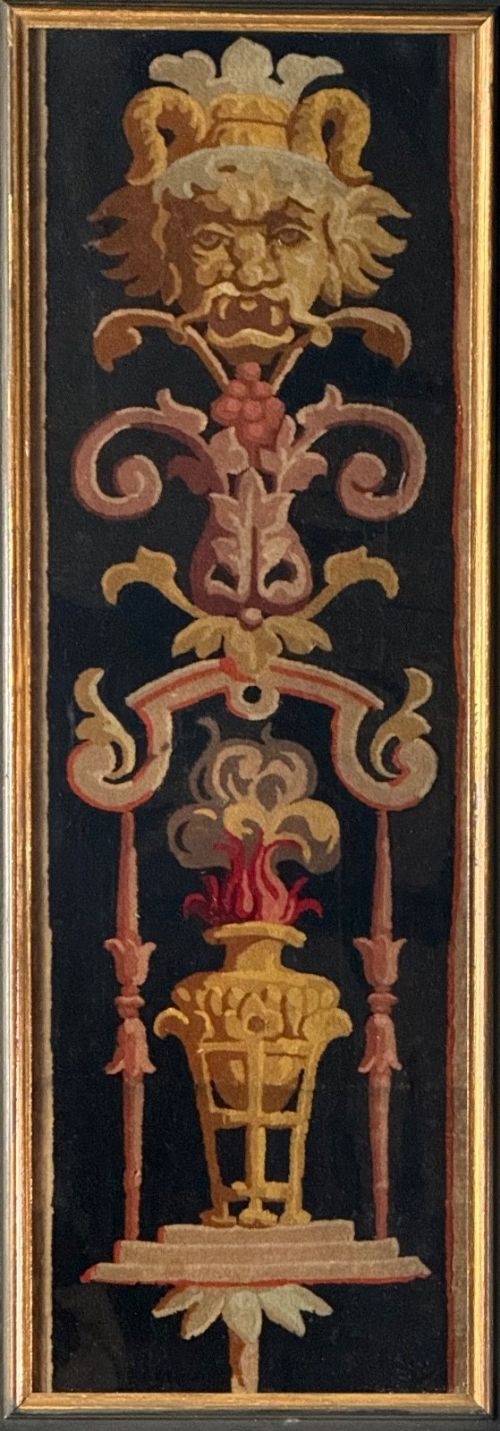
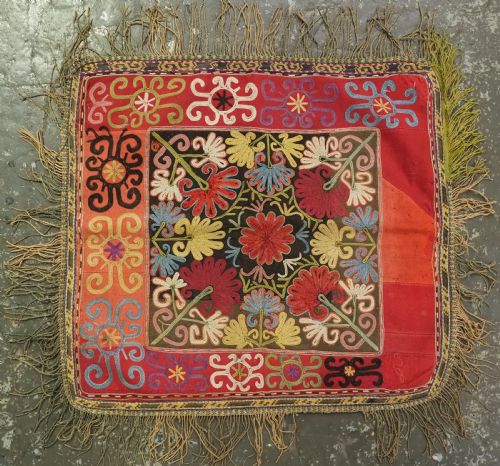
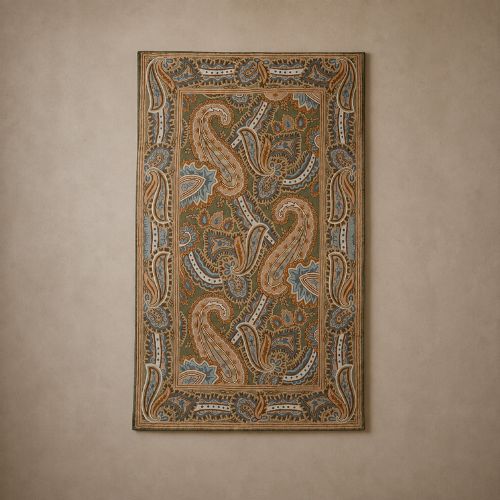
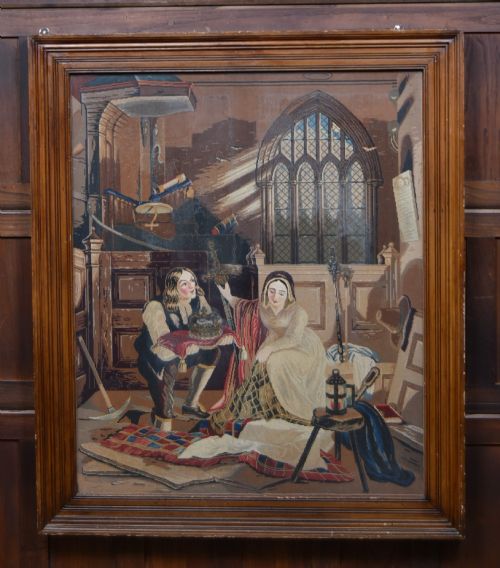
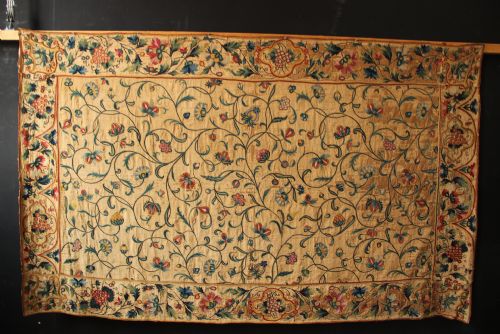
A vintage wall tapestry search reveals a diverse assembly of textile art, ranging from European verdure weaves to Central Asian embroideries and Indian silk panels. Pieces on this page span from the seventeenth century through the early twentieth century, incorporating diverse regional traditions like Uzbek suzanis, French Aubusson fragments, and English crewelwork.
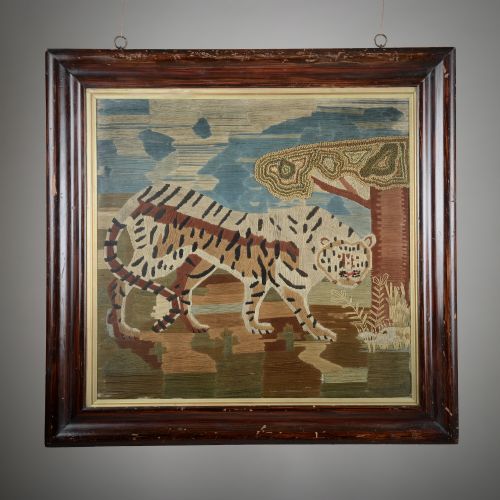
Buyers encounter distinct object types designed specifically for vertical display, including textile wall art, framed needlework pictures, and large hanging panels. The selection brings together formal European classical scenes and vibrant tribal embroideries intended for domestic interior decoration.
The visual vocabulary shifts from monumental French chateau pastoral landscapes to intricate Central Asian geometric motifs and floral Indian temple paintings. Each textile serves as a primary record of historic domestic ornamentation and textile design.
Assessing quality and execution
The fineness of the stitchwork or the complexity of the loom weave dictates the upper tier of quality within these textiles. Density of detail, precision in figurative or geometric layout, and the preservation of original natural dyes separate superior works from simpler regional outputs.
Condition and structural integrity heavily influence the standing of a textile panel, particularly given the vulnerability of historic fabrics to light and tension. Original mounting, minimal restoration, and the stability of ground fabrics like linen or canvas elevate the integrity of surviving fragments.
Listings feature textiles spanning the seventeenth to early twentieth centuries, constructed from wool, silk, cotton, and linen across European and Asian traditions.
The Vintage Wall Tapestry Glossary
- Suzani
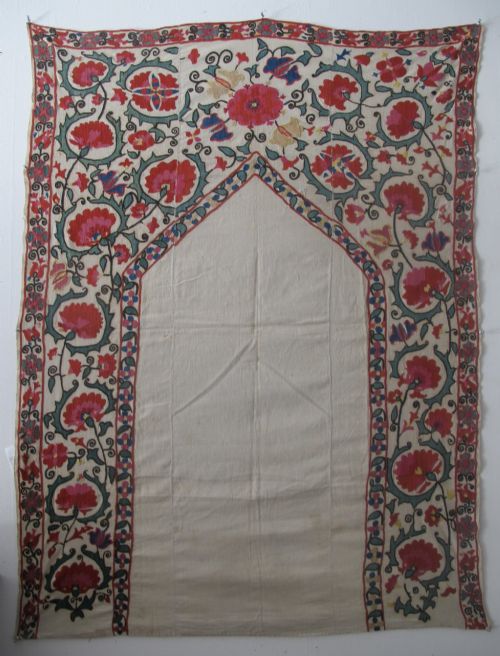
- An embroidered tribal textile originating from Central Asia, typically featuring bold floral or architectural motifs worked in silk on a cotton or linen ground. These panels were traditionally created as part of a bride's dowry.
- Crewelwork
- A type of surface embroidery utilising wool yarn on a heavy linen or cotton twill fabric. This historic technique creates heavily textured, flowing floral and botanical designs.
- Verdure
- A style of tapestry or needlework featuring a dominant landscape theme with lush foliage, trees, and occasionally animals or distant chateaux. They often utilise deep green and earth-toned wool and silk threads.
- Asmalyk
- A ceremonial pentagonal trapping or hanging produced by Turkmen tribes, often associated with weddings and camel ornamentation. They display intricate geometric symbolism.
- Needlework
- General term for decorative stitching executed by hand with a needle on a pre-existing fabric ground, encompassing petit point, gros point, and various embroidery styles.
Vintage Wall Tapestry: Frequently Asked Questions
How do I hang a heavy textile safely?
Large textile panels require even distribution of weight to prevent distortion of the historic fabric ground. Conservation methods often involve stitching a supporting fabric sleeve or Velcro strip along the top edge to attach to a concealed wall batten.
Avoid hanging antique textiles in direct sunlight or areas of high humidity to protect delicate wool, silk, and cotton fibres from fading and degradation.
What is the difference between a suzan and a tapestry?
A suzani is a hand-embroidered textile panel from Central Asia, typically created with silk threads on a cotton foundation in bold botanical patterns. In contrast, a tapestry is a woven textile where the design is built directly into the fabric structure on a loom.
While both serve as decorative wall hangings, their production methods and regional origins diverge entirely.
How should I clean an antique wall hanging?
Historic textiles demand extreme caution and professional conservation cleaning rather than standard domestic washing methods. Gentle surface dust removal using a low-suction vacuum through a protective mesh screen is generally the safest maintenance approach.
Water and chemical solvents can rapidly destroy ancient dyes and weaken degraded silk or wool fibres, making specialist textile restoration essential for deep cleaning.
Are textile fragments worth collecting?
Fragmentary pieces offer an accessible entry point into owning centuries-old textile artistry that might otherwise exist only in museums. Framed borders or isolated panels demonstrate the exact weave, dye quality, and technique of larger lost works.
Mounting these remnants onto neutral linen highlights their historic craftsmanship and visual texture within modern interiors.