




Traditional Fabric Wall Art
Traditional fabric wall art spans centuries of global textile traditions, offering rich textures and historic narratives that transform bare interior spaces into distinctive rooms.
Traditional Fabric Wall Art
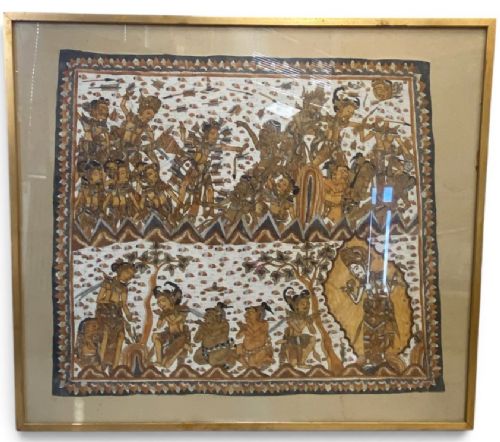
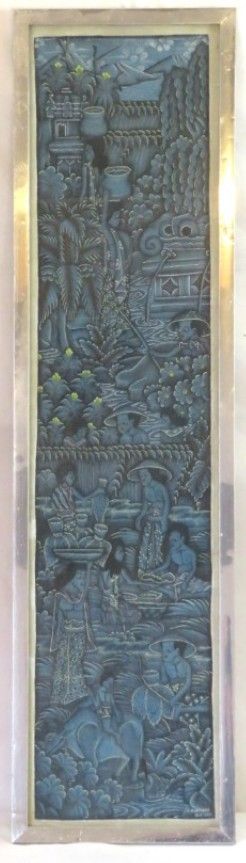
Traditional fabric wall art encompasses a wide range of textile panels, embroideries, and painted works created across different centuries. Buyers searching for traditional fabric wall art encounter diverse cultural expressions, from Central Asian Suzani embroideries and ikat panels to Balinese Kamasan paintings and European tapestries.
Materials and construction
Makers utilised organic textiles such as silk, cotton, wool, and linen as the foundational grounds for these works. Embroidered pieces like Suzanis employ fine silk threads worked onto cotton grounds, whilst other items incorporate watercolour applied directly to fabric.
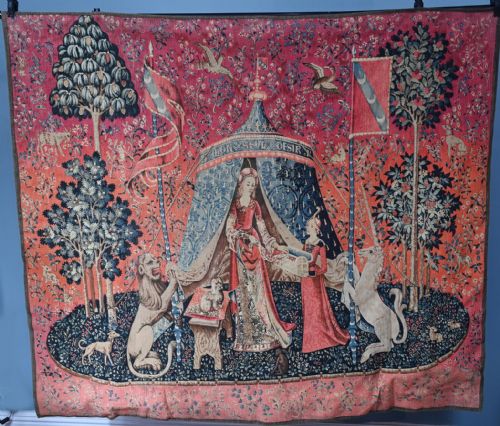
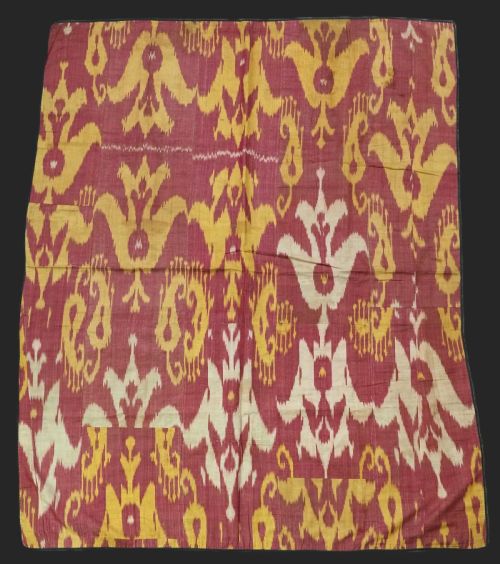
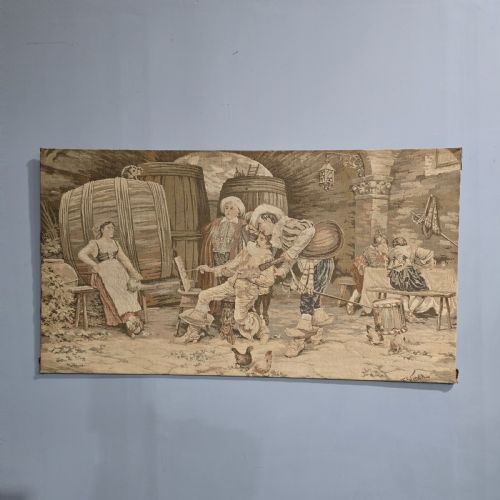
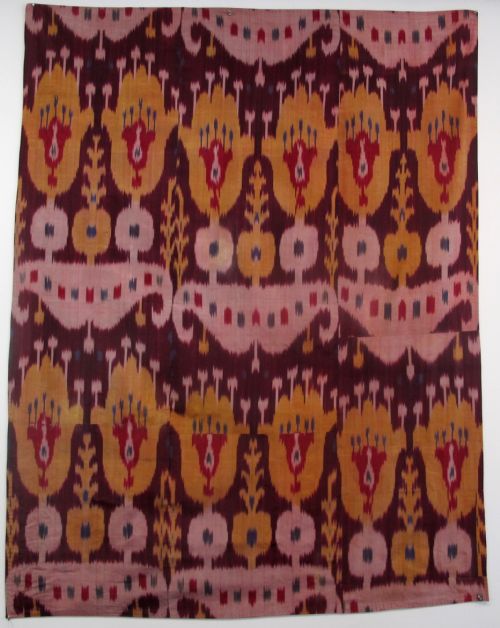
Woven examples rely on traditional loom techniques, seen in French tapestries and Ikat panels where pattern is achieved through resist-dyeing warp threads prior to weaving. Crewelwork panels demonstrate dense needlework application across large textile surfaces.
Traditional Fabric Wall Art Retail Price Guide 2026
Typical asking prices for traditional fabric wall art among the pieces listed under this phrase on Sellingantiques today, from the lower quarter to the upper quarter. They describe what is for sale here now, not the wider market.
Listings feature textiles spanning from the sixteenth century to the mid-twentieth century, incorporating cotton, silk, wool, linen, and watercolour on fabric.
Assessing quality and execution
The distinction between standard and exceptional pieces rests in the density of the handwork and the clarity of the design composition. Fully embroidered Suzanis and intricate multi-register paintings demonstrate superior technical execution compared to simpler decorative panels.
Material integrity and the preservation of natural dyes also determine the standing of a textile. Works that retain their original scale, vibrant colour relationships, and secure stitching represent the higher end of the available range.
The Traditional Fabric Wall Art Glossary
- Suzani
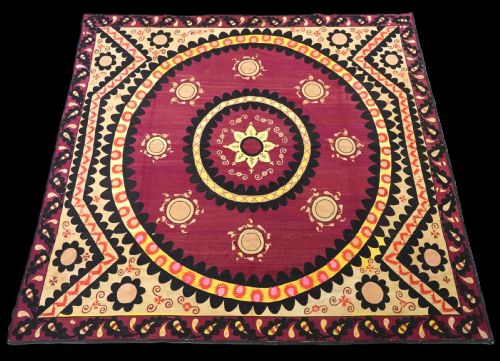
- A type of embroidered and decorative tribal textile made in Tajikistan, Uzbekistan, and other Central Asian nations. These pieces typically feature bold floral motifs worked in silk on a cotton or linen ground.
- Ikat
- A dyeing technique used to pattern textiles that employs resist dyeing on the yarns prior to dyeing and weaving the fabric. This process creates characteristic feathered edges along the design motifs.
- Crewelwork
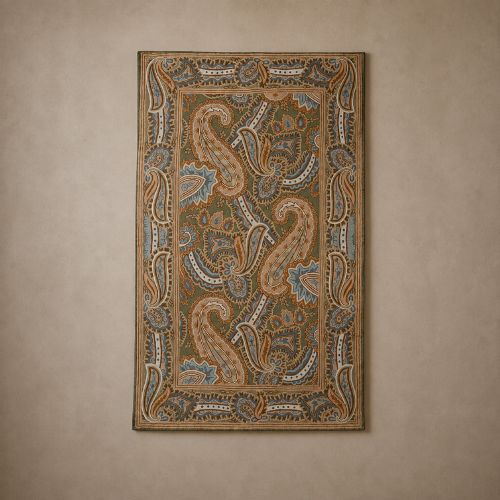
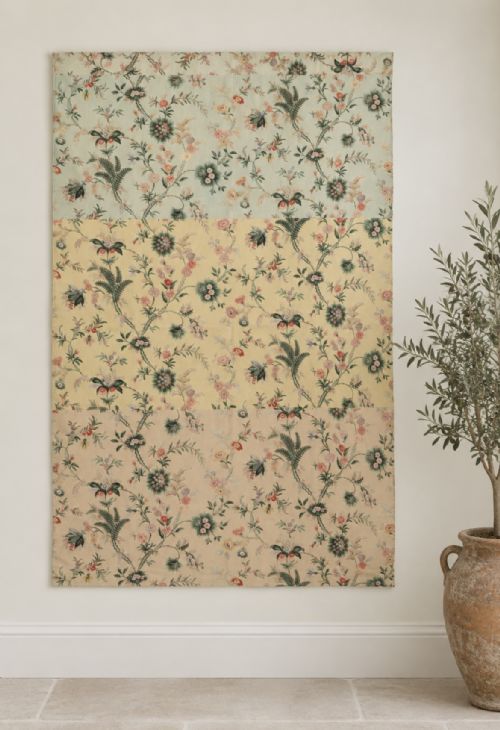
- A type of surface embroidery using wool to follow a heavy design outline. It appears frequently on antique panels and historic wall hangings.
- Kamasan
- A traditional style of classical narrative painting from Bali, usually depicting scenes from Hindu epics on fabric or canvas. These works often organise complex mythological narratives into distinct horizontal registers.
- Mille-fleurs
- A French term meaning a thousand flowers, describing a background style of many small, distinct flowers and plants. This motif is characteristic of late medieval and Renaissance tapestries.
Traditional Fabric Wall Art: Frequently Asked Questions
How do I hang heavy textile wall art safely?
Heavy fabric panels and tapestries require even distribution of weight across the upper edge to prevent distortion of the weave or embroidery. Methods often involve creating a hidden fabric sleeve along the back to accommodate a flat wooden batten or metal rod.
Securing this support directly to wall studs ensures the textile hangs flat without placing undue stress on historic fibres or stitching. Avoid using direct pins or nails through the textile itself.
What is the difference between an ikat and a suzani?
An ikat is created through a process of resist-dyeing threads before they are woven into cloth, resulting in characteristic soft edges to the patterns. These panels rely on the interplay of warp and weave for their visual impact.
In contrast, a suzani is a fully or partially embroidered textile where needle and thread are applied to an existing woven ground, typically featuring bold floral or botanical designs created by hand.
How should I clean antique fabric wall art?
Historic textiles require very gentle maintenance and should generally not be subjected to standard washing or chemical cleaning methods. Regular, careful removal of surface dust using a soft brush with low suction through a mesh screen helps protect fragile fibres.
Professional textile conservators should be consulted for any deep cleaning or structural repairs to prevent damage to antique silk, cotton, or wool components.
Where were traditional fabric panels made?
The pieces available originate from diverse global textile centres, ranging from Central Asian workshops in Uzbekistan and Bukhara to Southeast Asian studios in Bali. European examples include traditional English panels and French woven tapestries.
Each region developed distinct techniques, such as Tashkent palak embroideries or Balinese watercolour compositions on textile.