

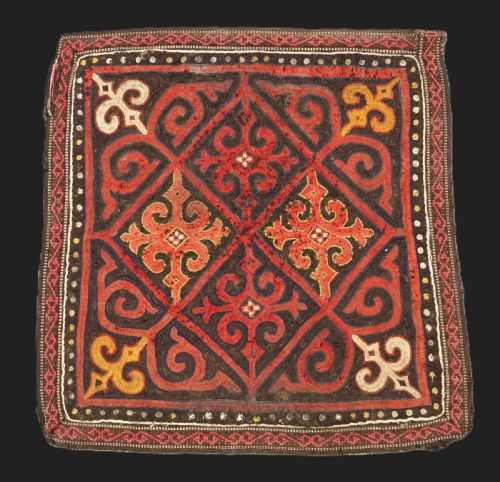


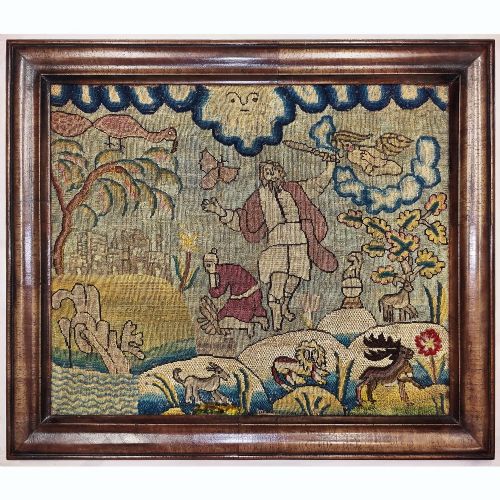


Brown Wool Tapestries
Brown wool tapestries bring heavy texture and deep historic presence into a room, offering everything from tribal flatness to detailed needlework.
Brown Wool Tapestries
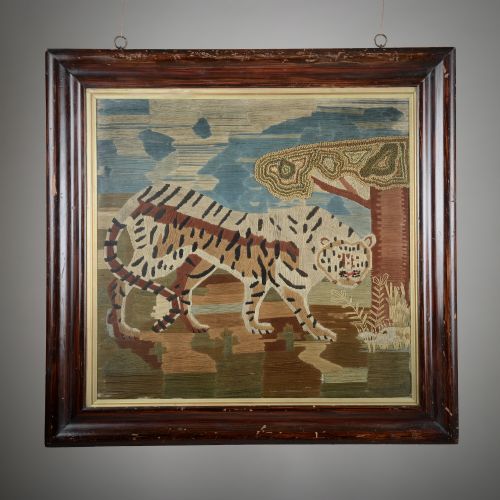
Brown wool tapestries encompass a diverse group of heavy textile works, ranging from framed needlework pictures and cushion covers to large wall hangings and folding screen panels. When you search for brown wool tapestries, you encounter pieces spanning from the seventeenth century through to the early twentieth century, with nineteenth-century examples appearing frequently.
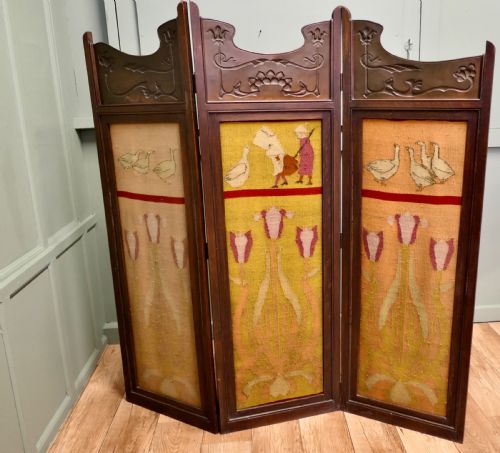
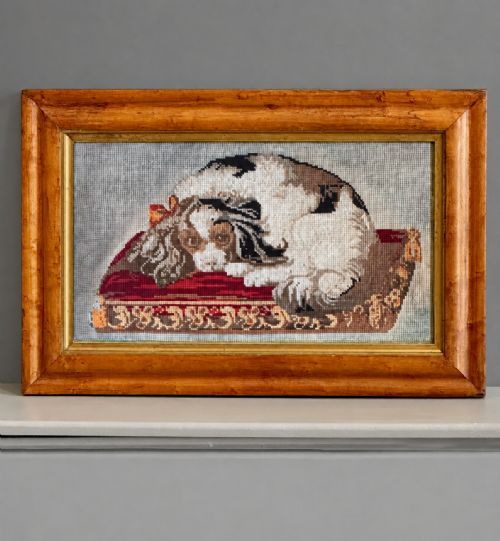
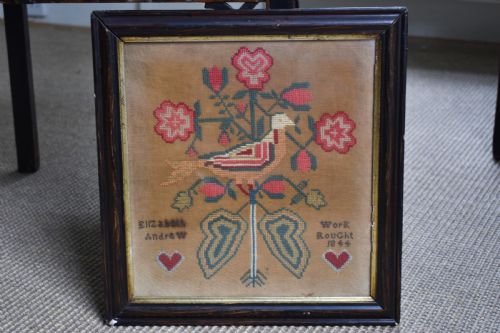
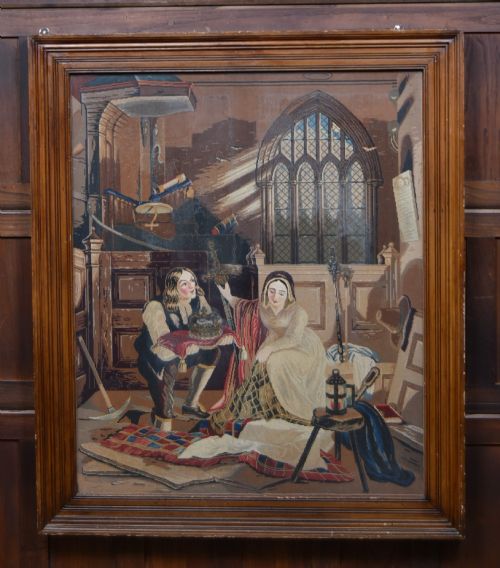
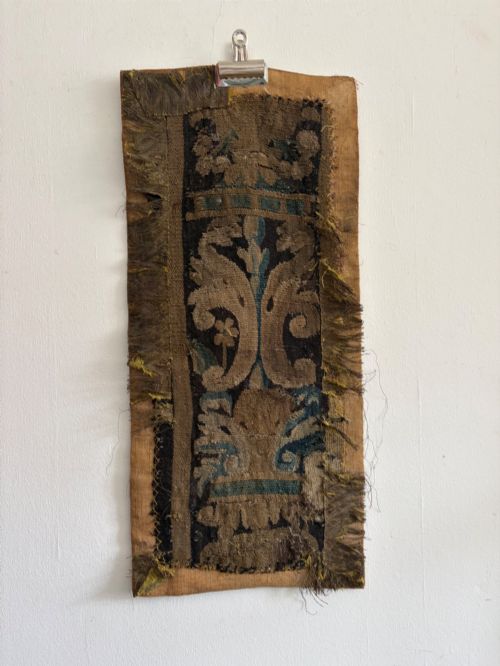
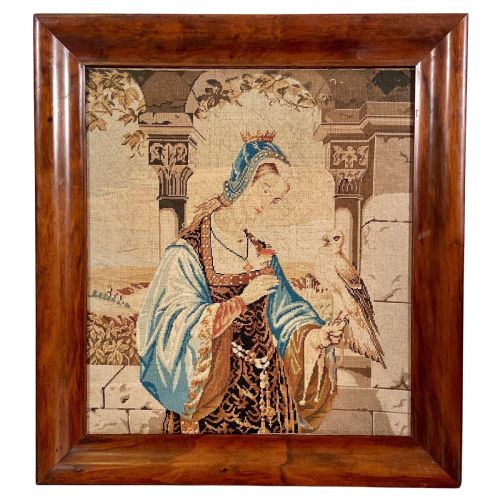
The selection includes European verdure fragments, tribal flatweaves, and floral or figurative wool work framed in burr maple, rosewood, or oak. Many items serve dual purposes, functioning as wall art, floor rugs, or decorative furnishings mounted on linen or canvas.
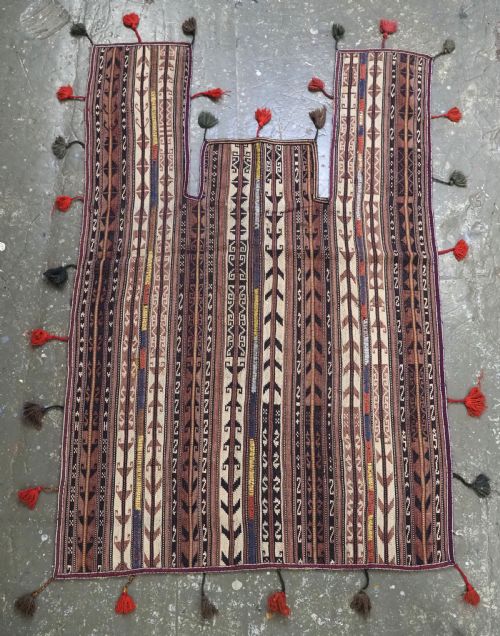
Origins stretch across Britain, Germany, and Central Asia, incorporating nomadic kilims, ceremonial horse blankets, and classical portraits. These textiles rely heavily on natural wool grounds, often enriched by cotton, linen, silk, and wood framing elements.
Quality factors in wool textiles
The distinction between standard and superior pieces rests on the precision of the needlework and the complexity of the design. Dense stitching, such as finely executed gros and petit point, demonstrates greater technical skill than looser, naive interpretations.
Material integrity and original framing elevate a piece significantly. Retaining an original burr maple or rosewood frame, or mounting fragile fragments securely to linen without compromising the textile, marks the work of a more careful historical maker.
Listings feature items spanning the seventeenth through to the twentieth century, incorporating wool, linen, wood, and glass materials across various European and Central Asian styles.
The Brown Wool Tapestries Glossary
- Verdure tapestry
- A European woven wall hanging depicting a stylised landscape, foliage, or woodland scenes. These panels often survive as fragments mounted on linen.
- Gros point
- A coarse needlepoint stitch worked on canvas, used to create durable geometric or pictorial backgrounds. It provides a heavy, textured surface.
- Petit point
- A fine needlepoint stitch worked on single-thread canvas, allowing for intricate detail and subtle shading in portraits and figures.
- Kilim
- A flatwoven carpet or rug produced in regions such as Turkey, Central Asia, and the Caucasus. They lack a pile, relying instead on interlocking warp and weft threads.
- Mafresh
- A traditional tribal storage bag or carrier front, typically woven in flatweave or banded designs by nomadic groups. They feature geometric motifs and durable wool.
Brown Wool Tapestries: Frequently Asked Questions
How do I hang a heavy tapestry?
Support heavy wool textiles evenly across the entire top edge rather than hanging them from isolated points. Using a discreet wooden batten or mounting the textile onto a linen-backed frame distributes the weight properly.
Avoid pulling the wool too tightly during hanging, as natural fibres need to breathe and settle under their own weight over time.
How should I clean antique wool work?
Gentle surface dusting with a soft brush is usually sufficient for historic textiles. Avoid aggressive rubbing or standard household detergents, which can weaken fragile fibres and dull natural dyes.
Professional textile conservators should handle deep cleaning or structural repairs to prevent permanent damage to aged wool and canvas backings.
Are these pieces strictly for walls?
Many items designed as wall hangings or screens also function effectively as floor rugs, cushion covers, or table covers depending on their original form. Tribal flatweaves and kilims adapt easily to horizontal surfaces.
Framed needlework pictures and wooden screen panels remain best suited to vertical display to protect their structural frames and delicate stitching.
How do I date a wool textile?
Examine the framing materials, backing canvas, and stitching style alongside any visible dye colours. Eighteenth-century verdure fragments often show aged verdant tones and coarse linen mounts, whereas nineteenth-century Berlin work employs brighter synthetic or natural wool blends.
Compare the motifs against documented tribal patterns or known decorative art styles like Art Nouveau and Gothic Revival for precise chronological placement.