



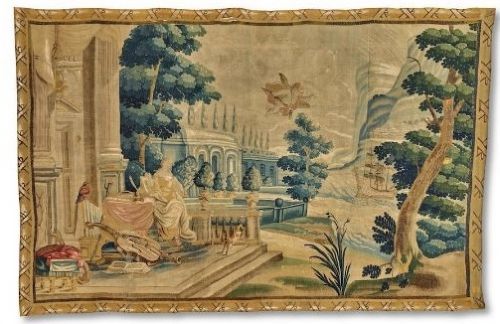


Large Woven Wall Hanging
A large woven wall hanging brings centuries of textile artistry and depth to a room through expansive wool and silk compositions.
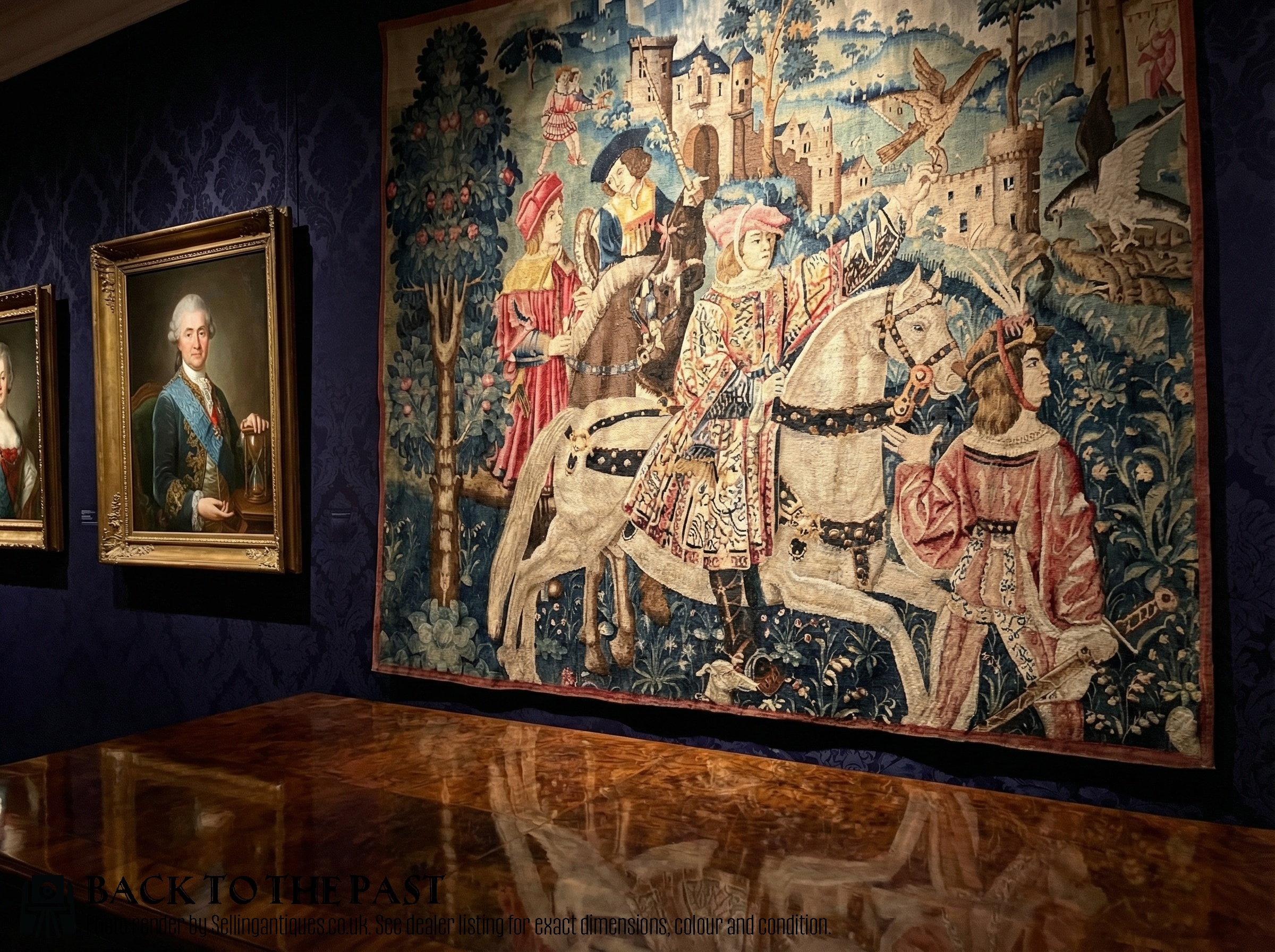
Large Woven Wall Hanging
A large woven wall hanging encompasses expansive European tapestries and tribal textile panels designed to cover vertical surfaces with narrative or botanical scenes.
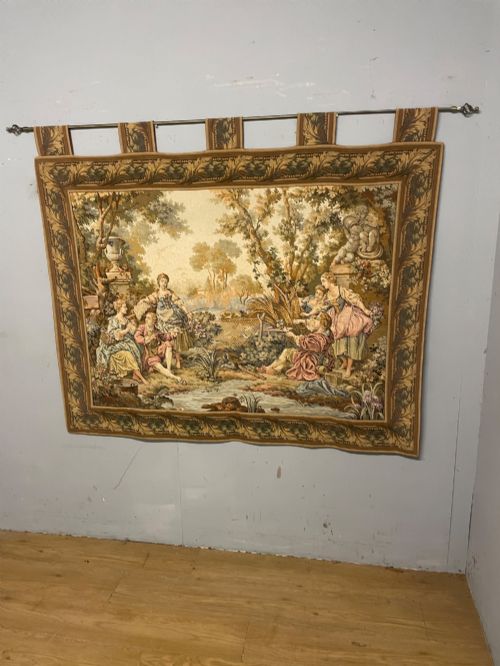
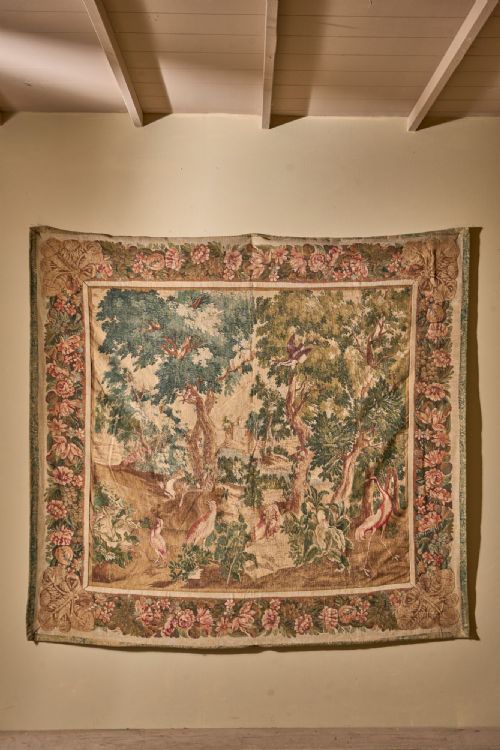
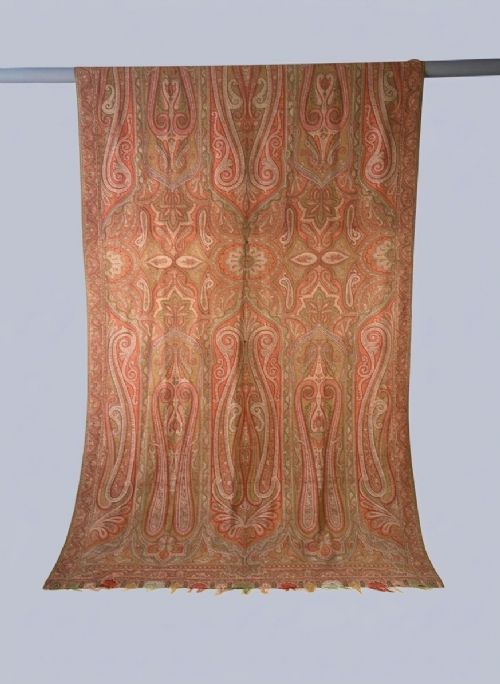
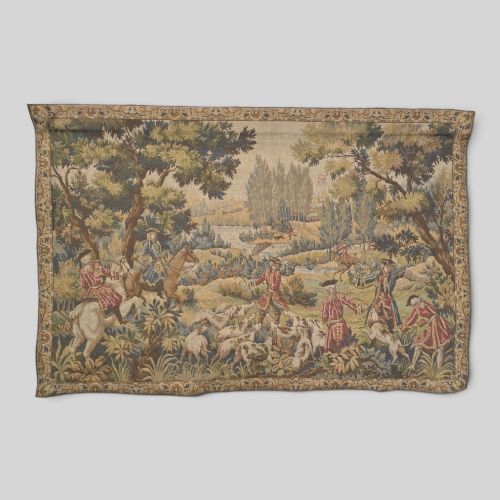
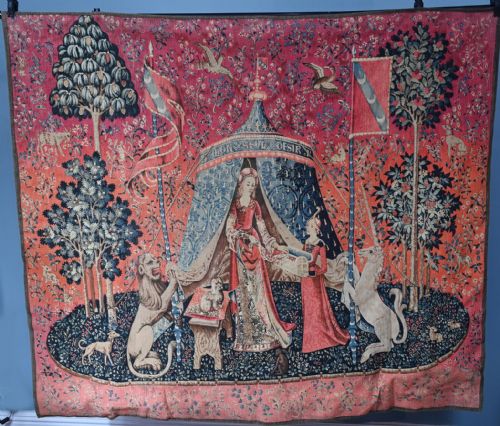
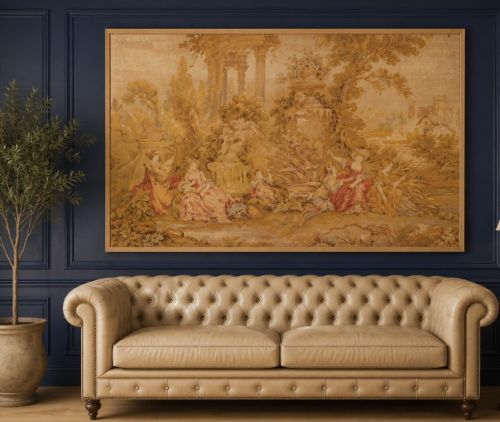
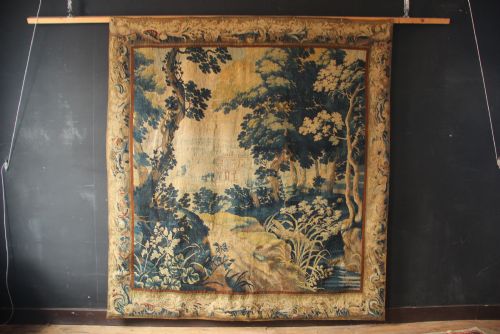
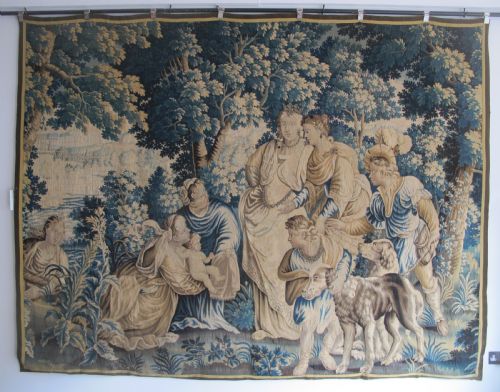
The pieces appearing on this page range from seventeenth-century Flemish verdure panels and eighteenth-century French Aubusson works to nineteenth-century Scottish paisley shawls and Central Asian tribal bag faces.
Many of these textiles take the form of verdure landscapes depicting foliage and trees, biblical or mythological narratives, and traditional tribal designs mounted on timber frames or displayed directly on walls.
How they were made
The majority of these textiles utilise a combination of wool, silk, cotton, and linen fibres, sometimes accented with metal thread woven into complex pictorial designs.
European workshops employed manual weaving techniques on looms to create detailed wall tapestries and needlework panels, occasionally housing the finished textiles within wooden or brass frames.
Materials recorded across the selection include wool, silk, cotton, linen, brass, and timber frames.
What varies in quality
Quality in a large woven wall hanging rests on the complexity of the narrative or botanical composition and the fineness of the weave using materials like silk and wool.
The pedigree of the weaving centre, such as Aubusson in France or Audenarde in Flanders, alongside the preservation of the original palette and pictorial detail, dictates the standing of each textile.
The Large Woven Wall Hanging Glossary
- Verdure tapestry
- A wall hanging dominated by botanical motifs, foliage, and woodland scenes. These landscape designs were widely produced in European weaving centres during the seventeenth and eighteenth centuries.
- Aubusson
- A style and origin point for tapestries woven in the French town of Aubusson. These works frequently display floral patterns, pastoral scenes, or classical architectural elements.
- Chuval
- A large Turkmen storage bag face often utilised as a wall hanging due to its intricate tribal gul motifs and geometric precision. These pieces originate from Central Asian nomadic traditions.
- Torba
- A smaller nomadic storage bag face featuring detailed tribal patterns and ikat designs. They are collected and displayed as textile art.
- Boteh
- A stylised almond or paisley motif found in oriental rugs and tribal textile panels. This ancient symbol appears frequently in nineteenth-century Persian and Central Asian weaving.
Large Woven Wall Hanging: Frequently Asked Questions
How do I hang a heavy textile safely?
Large woven wall hangings require even weight distribution across the upper edge to prevent stretching the fibres. A professional framer or conservator can attach a hidden timber support or a fabric sleeve.
Securing the textile to a solid wall stud using appropriate brackets ensures the weight is supported safely without damaging the historic fabric.
Where should I place a textile in my home?
These large pieces suit substantial wall spaces in living rooms, hallways, or dining rooms where they absorb sound and add warmth. Keeping them away from direct sunlight preserves the natural dyes of the wool and silk.
Maintaining stable room humidity protects the organic fibres from becoming brittle over time.
How do I tell Flemish and French tapestries apart?
Flemish tapestries from the seventeenth century often feature dense verdure landscapes with deep greens and earthy tones depicting woodland flora and mythological figures. French pieces from later periods tend to display lighter Aubusson floral compositions or pastoral elegance.
Examining the borders and subject matter usually reveals the stylistic traits associated with specific weaving regions.
What is the difference between a tapestry and a tribal panel?
European tapestries are typically narrative or botanical works woven on large looms in structured workshops for domestic display. Tribal panels, such as Turkmen chuvals or Afshar bag faces, originate from nomadic cultures and feature geometric gul motifs.
Both serve as wall hangings today, though their cultural origins and symbolic designs differ entirely.