




Tapestry Fabric Wall Art
Tapestry fabric wall art brings historic textiles and woven panels into modern interiors, offering rich texture and narrative depth.
Tapestry Fabric Wall Art
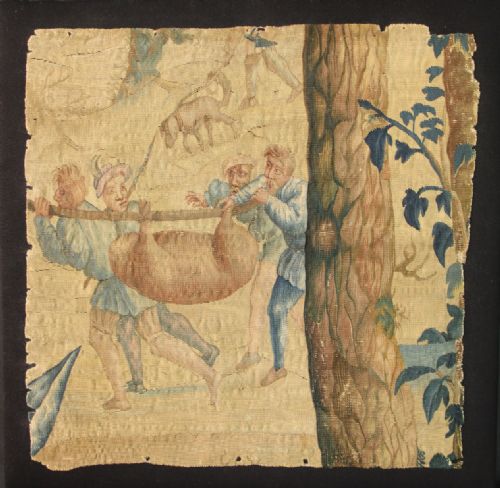
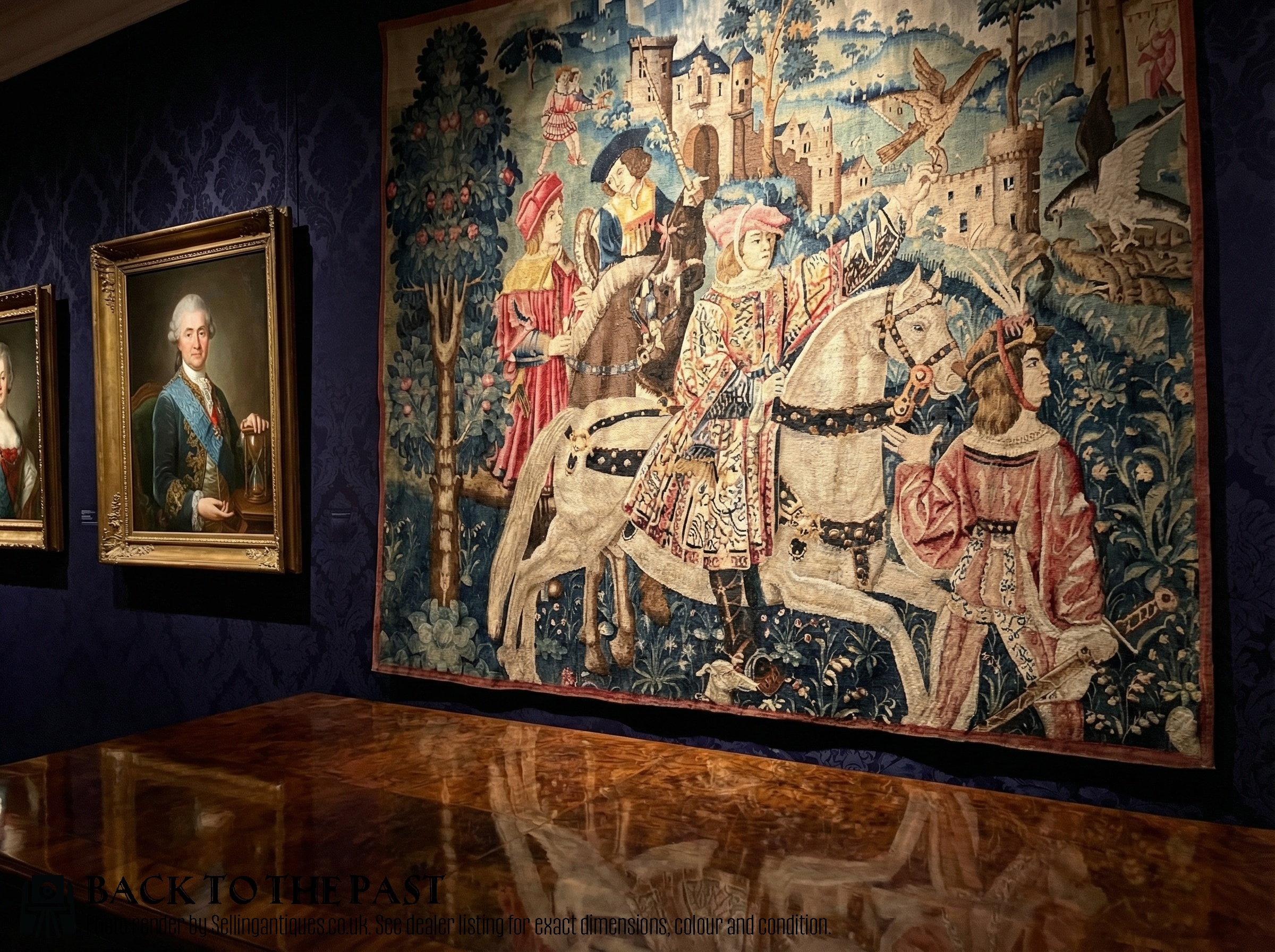
When you search for tapestry fabric wall art, you encounter a diverse range of textiles designed to hang on walls, spanning from early Flemish weaves to twentieth-century panels. These pieces function as architectural textiles that soften rooms and introduce historical narrative through woven or embroidered imagery.
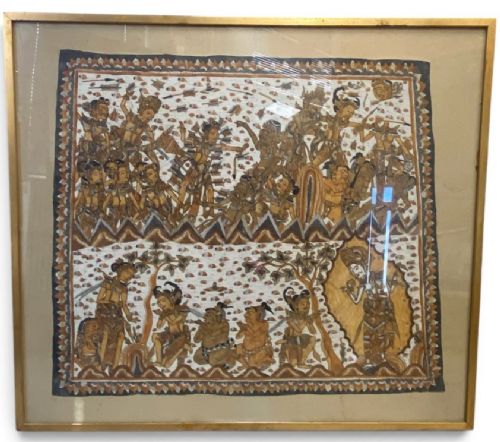
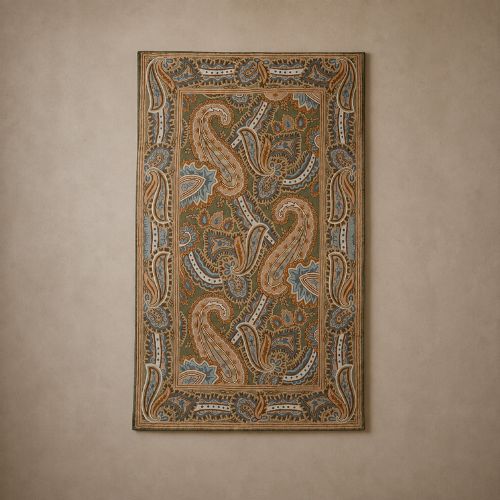
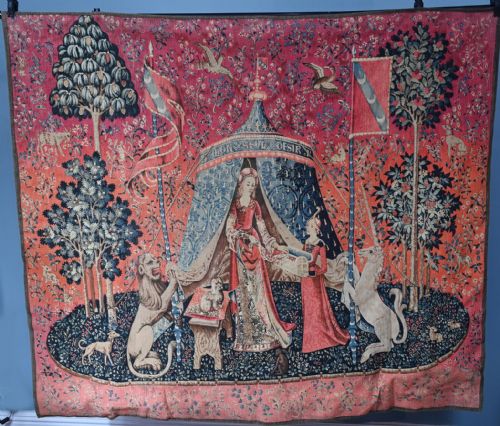
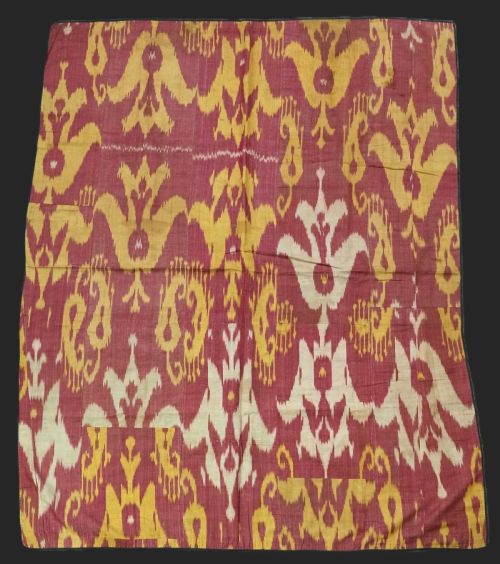
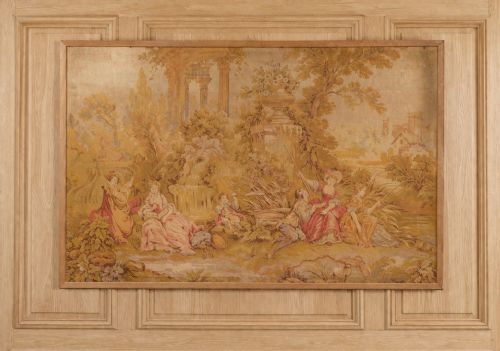
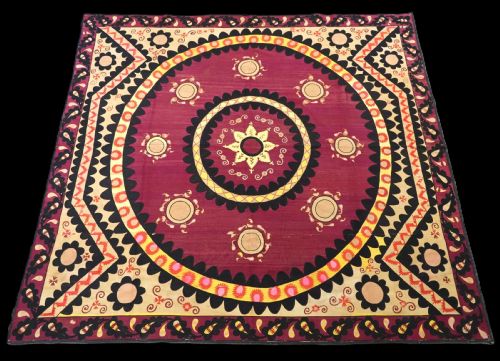
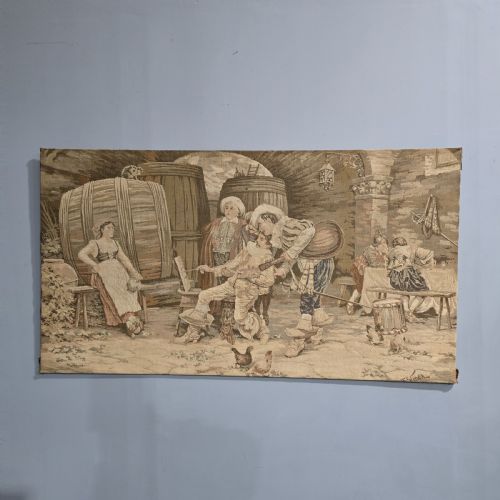
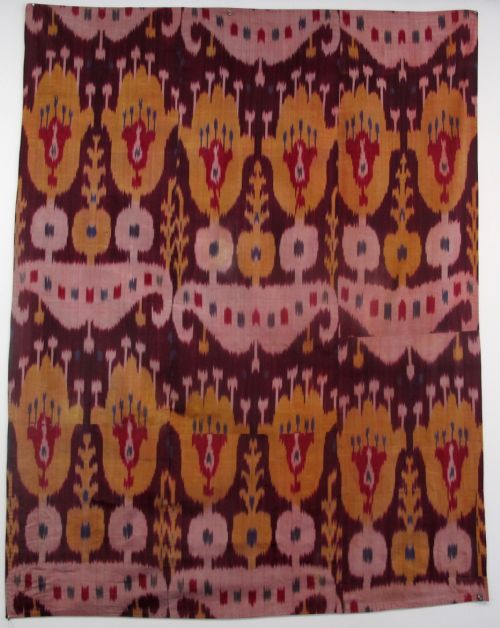
The selections on this page feature formats such as wall hangings, framed panels, and textile fragments originating from traditions including French Rococo, Central Asian ikat, and Balinese painting. You are most likely to meet French woven wall coverings, Uzbek silk panels, and framed needleworks among these listings.
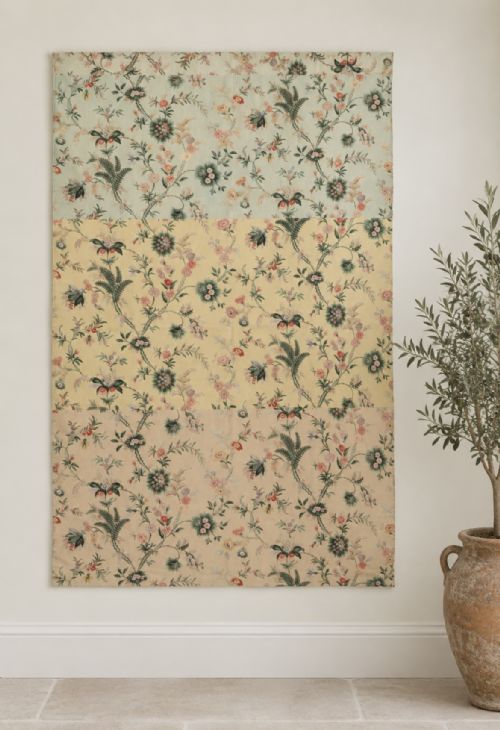
Object types vary widely, encompassing large woven tapestries, crewelwork embroideries, and Kuba rafia pieces. Each form utilises distinct regional techniques to transform raw fibres into decorative wall art.
Materials and construction
Makers utilised natural fibres including wool, silk, cotton, and linen to construct these textiles, often combining them within a single piece for varied texture and structural support. Silk and wool dominate the historic European and Central Asian examples, providing both durability and a receptive surface for dyes.
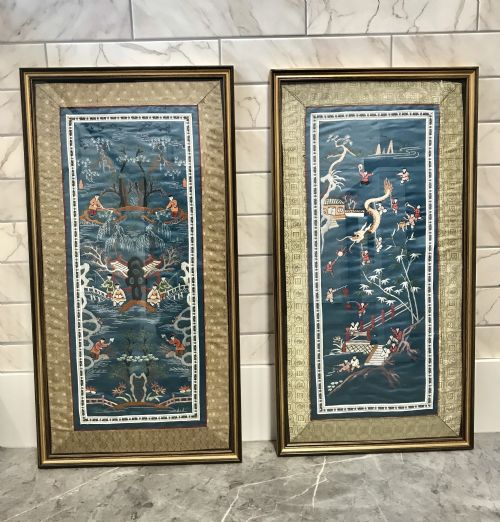
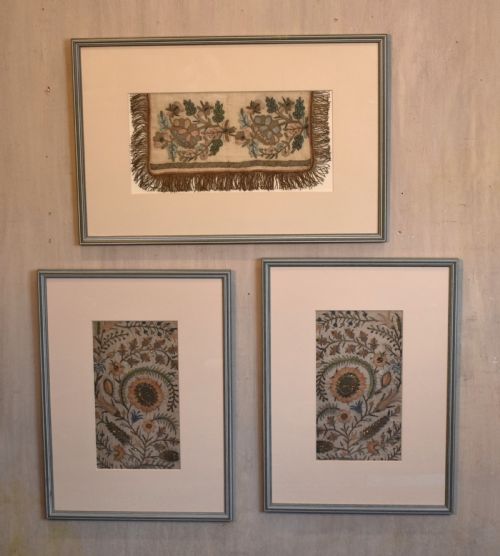
Techniques range from hand-sewn embroidery and crewelwork to complex loom weaving and resist-dyed ikat processes. Framed pieces occasionally incorporate glass to protect delicate silk embroidery and paper or board backings.
The documented styles range from medieval and French Rococo to Balinese Kamasan, Uzbek traditional, and Qing dynasty aesthetics.
Quality factors
Quality rests primarily on the density of the weave or embroidery and the complexity of the design. Finer pieces demonstrate precise needlework or tight loom tension that preserves intricate details in figures, flora, and geometric motifs.
The condition of the fibres and the vibrancy of the remaining natural dyes further separate standard examples from superior ones. Intact borders, minimal fibre loss, and stable structural integrity elevate the standing of any textile panel.
The Tapestry Fabric Wall Art Glossary
- Crewelwork
- A type of embroidery utilising wool yarn on a fine linen or cotton ground. This technique creates textured, raised designs often seen in historic English panels.
- Ikat
- A dyeing technique where yarns are resist-dyed before weaving to create characteristic blurred pattern edges. Uzbek panels frequently employ this method.
- Mille-Fleurs
- A background style composed of a multitude of small flowers and plants. French medieval and renaissance tapestries regularly utilise this decorative field.
- Suzani
- A type of embroidered textile produced in Tajikistan, Uzbekistan, and other Central Asian nations. These pieces typically feature bold floral motifs hand-stitched on cotton or silk foundations.
- Ciselé velvet
- A velvet fabric where the pile is cut in varying heights or patterns against a satin ground. Eighteenth-century examples demonstrate this refined weaving method.
Tapestry Fabric Wall Art: Frequently Asked Questions
How do I hang a textile safely?
Support heavy tapestries or panels evenly across the top edge using a concealed wooden batten or a sleeve sewn to the reverse. Avoid hanging textiles by isolated loops or pins that place undue stress on historic fibres.
Keep fragile wall art out of direct sunlight to prevent fading, and maintain stable indoor humidity levels to protect organic materials like wool and silk.
What is the difference between embroidery and tapestry?
Tapestry is a form of textile art woven on a loom, where the design is built directly into the fabric structure during the weaving process. The warp and weft threads intertwine to create both the ground and the image.
Embroidery, by contrast, is stitched onto a pre-existing woven fabric foundation using a needle and thread. Crewelwork and suzanis are examples of embroidered wall art rather than woven tapestries.
How do I date an antique textile?
Dating relies on examining the fibre types, dye chemistry, stylistic motifs, and manufacturing techniques characteristic of specific periods. For instance, sixteenth-century French work differs visibly in subject matter and weave density from twentieth-century interpretations.
Comparing construction methods with documented examples from regions like Central Asia or Flanders helps narrow the timeframe of creation.