


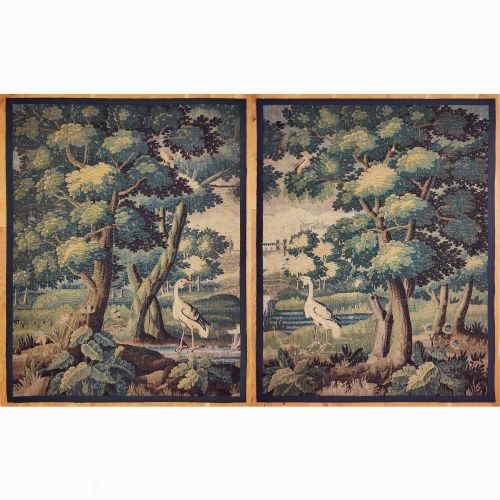

Woven Wool Wall Tapestry
When you search for a woven wool wall tapestry, you are looking at centuries of textile artistry designed to bring warmth and narrative depth to large interior spaces.
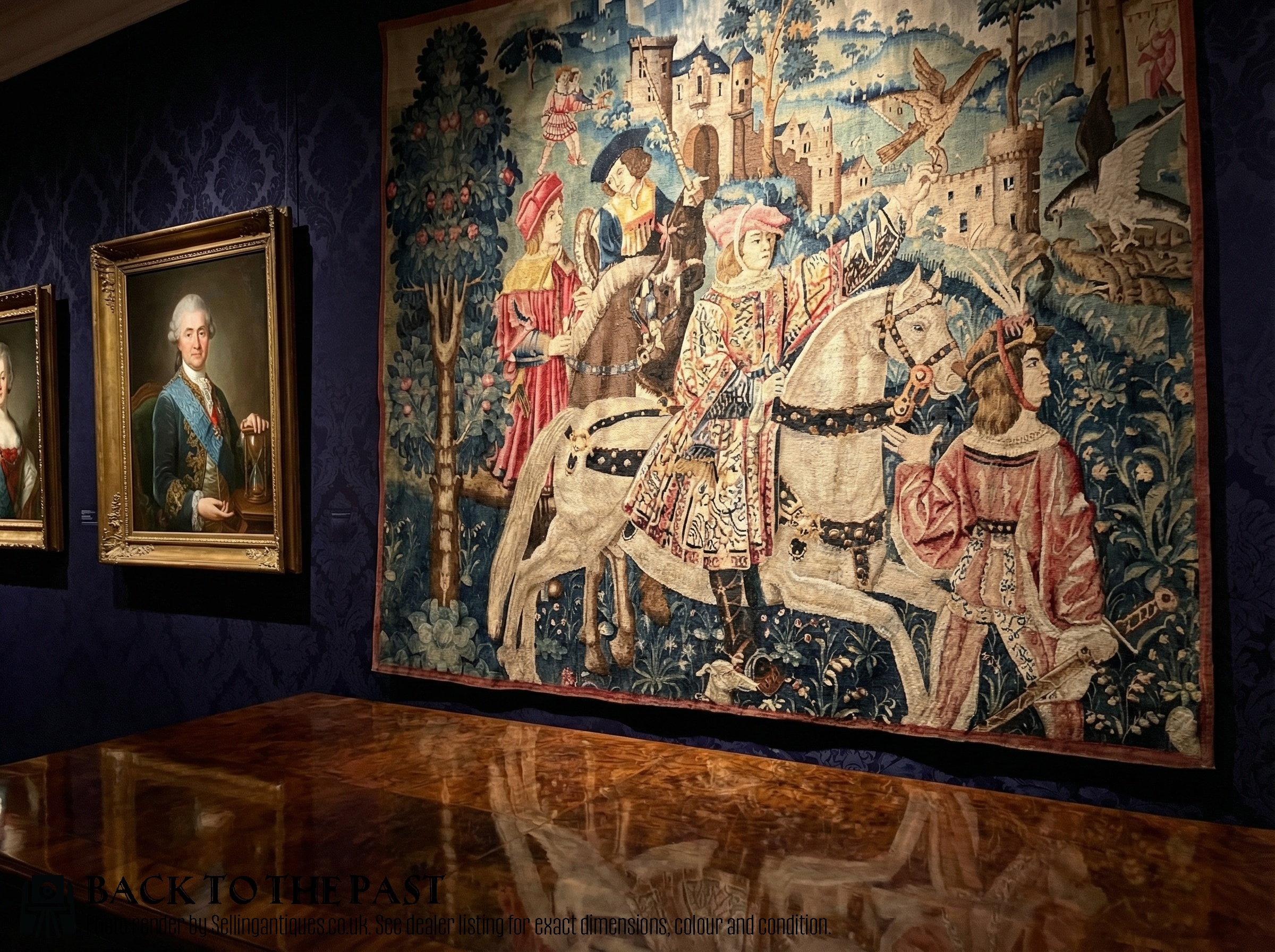
Woven Wool Wall Tapestry
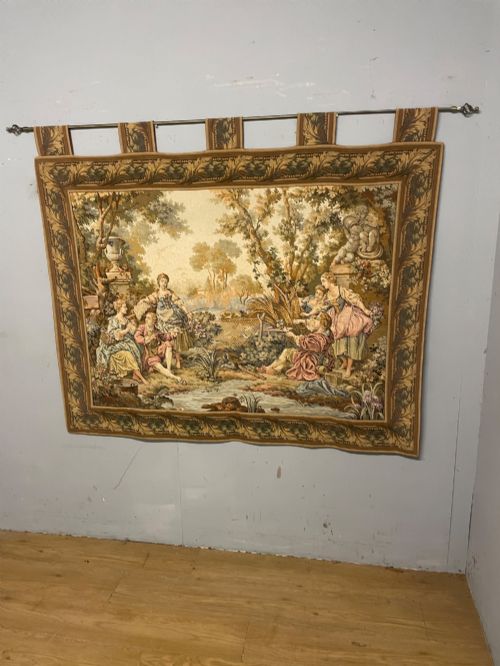
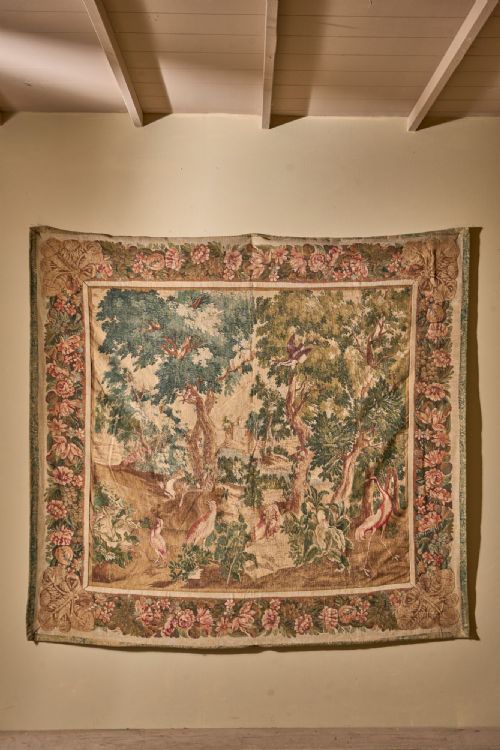
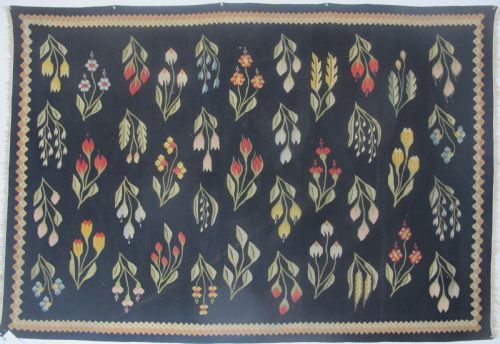
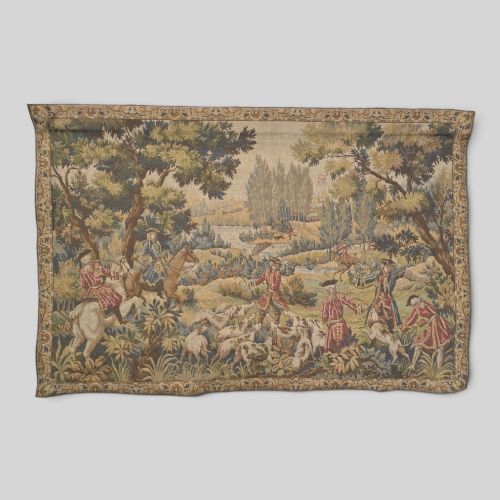
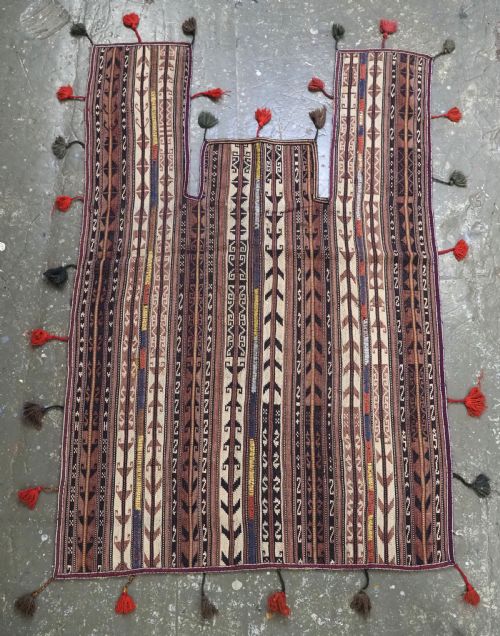
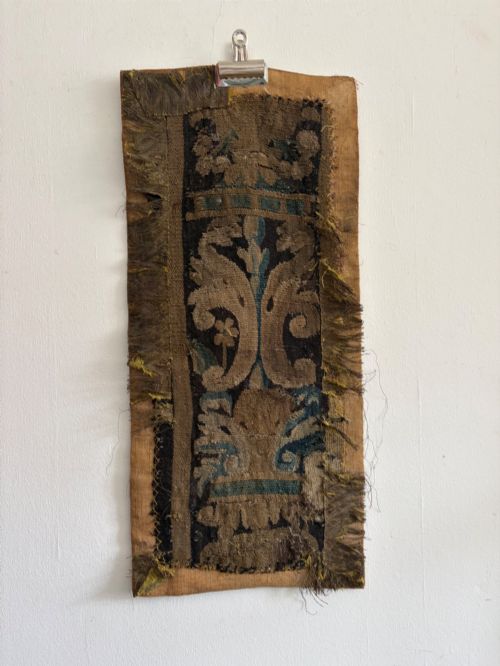
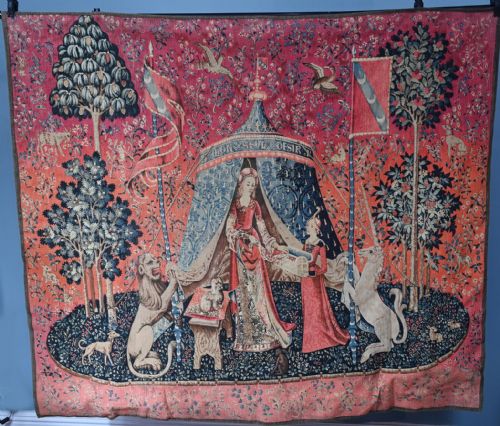
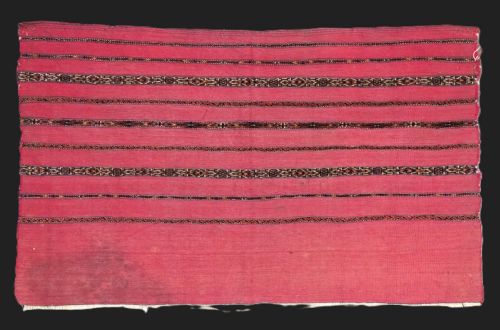
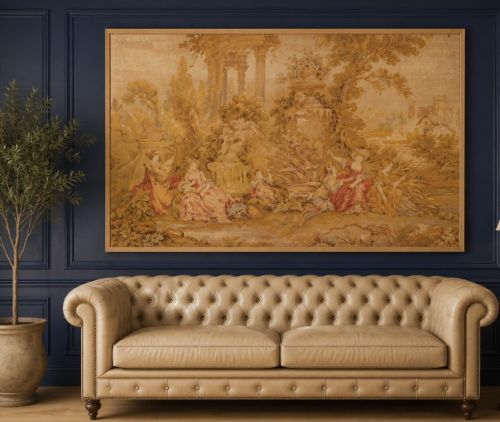
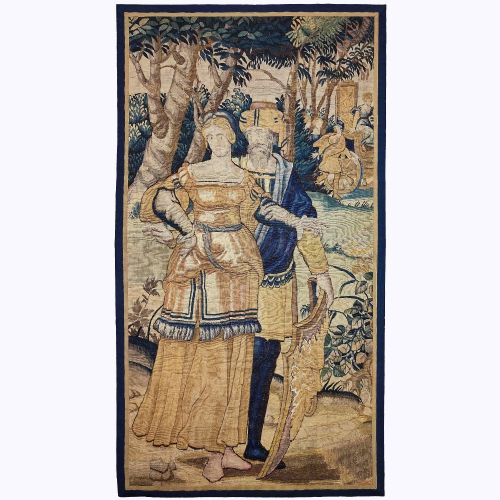
A woven wool wall tapestry encompasses a wide range of historic textiles, from grand Flemish Baroque verdure panels depicting dense foliage to 19th-century French Aubusson compositions and Central Asian tribal weavings. Buyers searching this phrase will encounter everything from large architectural wall hangings and pastoral scenes to smaller tribal bag faces, horse blankets, and framed fragments.
The pieces on this page span from the 17th century through to the early 20th century, representing European workshops in France and Flanders alongside nomadic traditions from Persia, Turkmenistan, and Afghanistan. European examples frequently lean towards mythological, biblical, or verdure landscapes, while tribal items present geometric motifs and flatweave structures.
Depending on the origin, these textiles were created either as monumental decorative statements for chateaux and manors or as utilitarian objects of tribal life that doubled as domestic art. This selection bridges formal European weaving traditions with the rich textile heritage of nomadic tribes.
Distinctions in quality
Quality in these textiles rests upon the fineness of the weave, the complexity of the design, and the survival of the original colour palette derived from natural dyes. Finer knotting or denser weft work allows for intricate detailing in figures, foliage, and geometric guls.
The overall condition and structural integrity also separate standard examples from finer survivals, noting whether pieces retain original borders, hanging loops, or have required mounting to linen over time to support aged materials.
Several centuries of nomadic craft and European court art share a wall here.
The Woven Wool Wall Tapestry Glossary
- Verdure
- A type of tapestry featuring lush botanical designs, trees, and foliage as the primary subject. These scenes often incorporate distant castles or birds among the leaves.
- Aubusson
- A style of tapestry originating from the French town of the same name, known for pastoral scenes and floral motifs. They reflect classical French design traditions.
- Gul
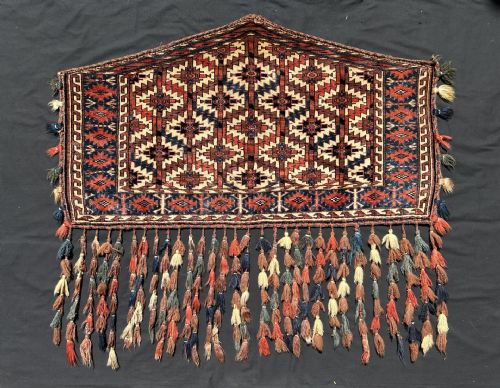
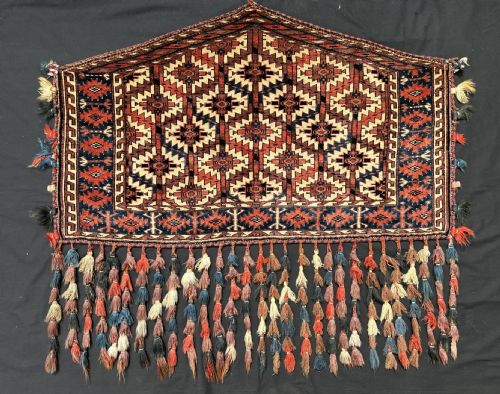
- A medallion-like primary motif found in Turkmen and other Central Asian tribal carpets and trappings. These repeating geometric forms often identify specific tribes.
- Asmalyk
- A pentagonal trapping made by the Yomut tribe and hung on wedding camels. They feature intricate geometric patterns woven in wool.
- Sofreh
- A type of tribal eating cloth or spread used by nomadic groups in Persia and Afghanistan. They display practical flatweave construction with symbolic tribal designs.
Woven Wool Wall Tapestry: Frequently Asked Questions
How do I hang a heavy antique tapestry?
Large wall hangings require even weight distribution across the upper edge to prevent distortion of the wool fibres. Sewing a sturdy cotton sleeve to the back allows a concealed wooden batten or metal rod to support the piece safely.
Smaller fragments or tribal pieces mounted to linen can often be displayed using specialised textile clips or framed behind conservation glass. Direct sunlight should be avoided to protect natural dyes from fading over time.
What is a verdure tapestry?
A verdure tapestry focuses on landscape elements rather than human figures or historical narratives. The composition is dominated by stylized trees, leaves, plants, and occasionally animals or distant chateaux.
Originating largely in Flemish and French workshops during the 17th and 18th centuries, these pieces were designed to bring the feeling of natural woodlands into interior stone rooms.
How can I tell a French tapestry from a Flemish one?
Flemish pieces, particularly from the 17th century, tend to feature deep, dark green and blue tones in dense verdure scenes with dramatic mythological or biblical narratives. French Aubusson and pastoral styles often employ lighter pastel palettes with softer floral arrangements and refined courtly subjects.
Examining the borders and weaving density also helps identify regional workshops, though many later 19th-century French pieces directly imitated earlier Flemish aesthetics.