

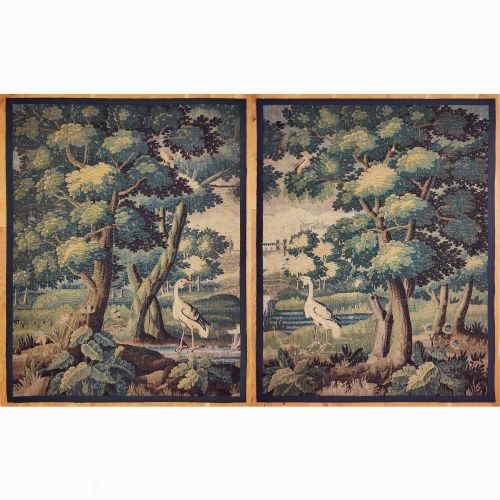


French Aubusson Tapestry
A french aubusson tapestry brings centuries of woven artistry into a room, offering rich textures and classical pastoral scenes that collectors prize.
French Aubusson Tapestry
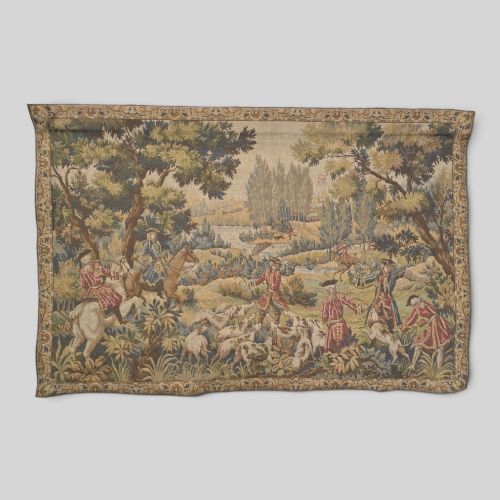
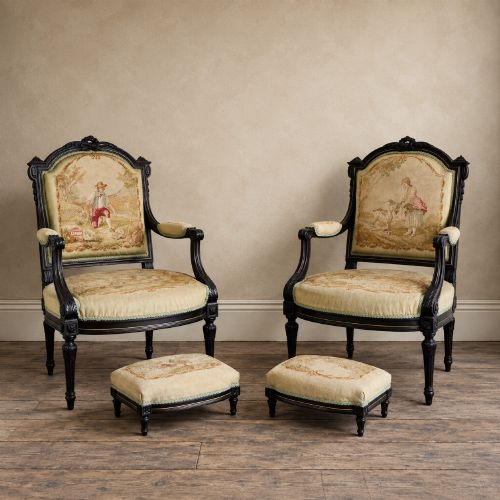
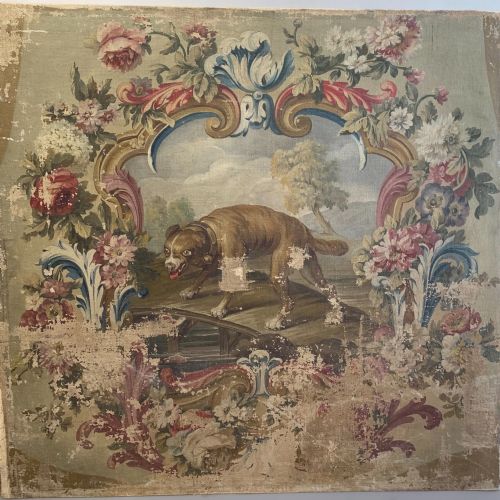
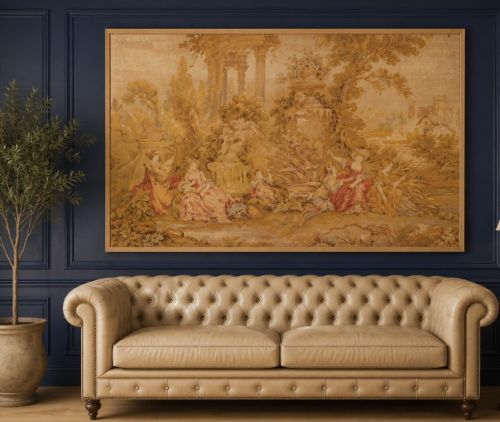
When you search for french aubusson tapestry, you encounter wall hangings, carpets, cushions, and upholstered seating like armchairs and settee frames. These works span from the seventeenth century through the nineteenth century, reflecting periods such as Louis XV, Louis XVI, and the subsequent revivals.
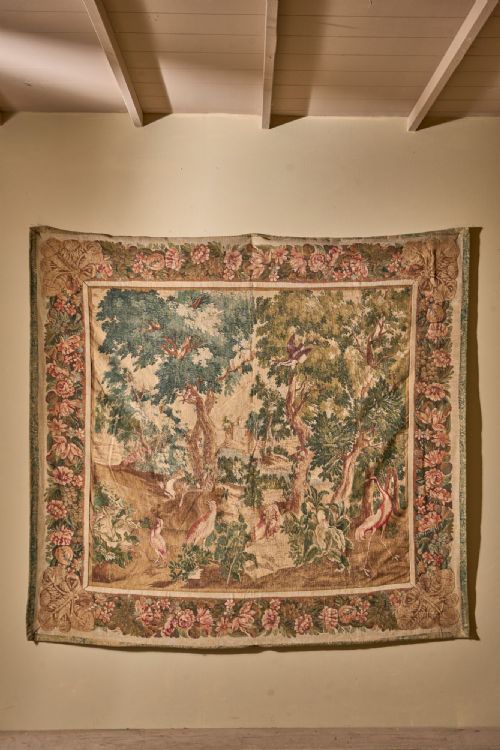
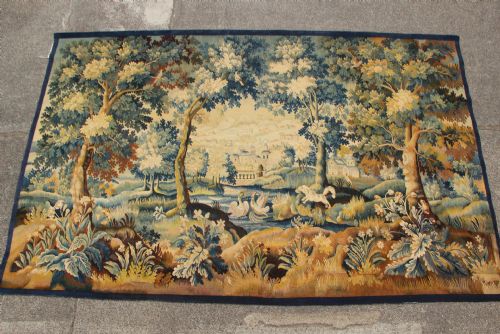
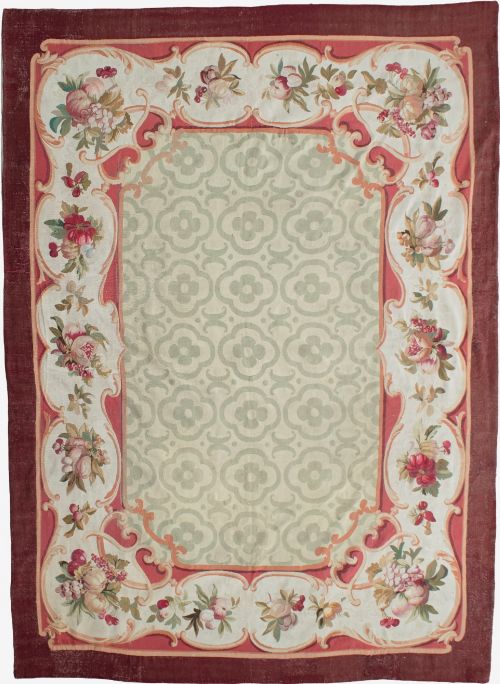
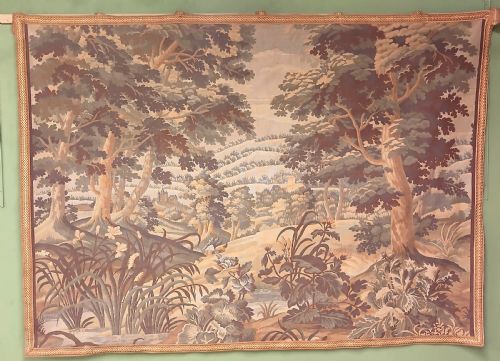
The most common examples on this page are nineteenth-century wall hangings and smaller decorative cushions covered in woven textile. You also find larger carpets and area rugs alongside seventeenth-century verdure panels depicting woodland foliage.
How they were made
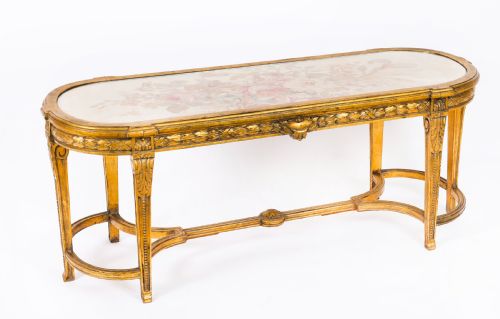
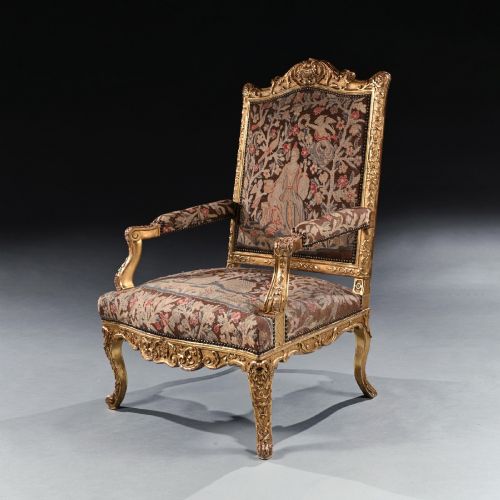
The materials recorded in these pieces rely predominantly on wool, silk, and cotton woven together into textile panels. Supporting furniture structures utilise beech and giltwood, often carved in traditional French styles.
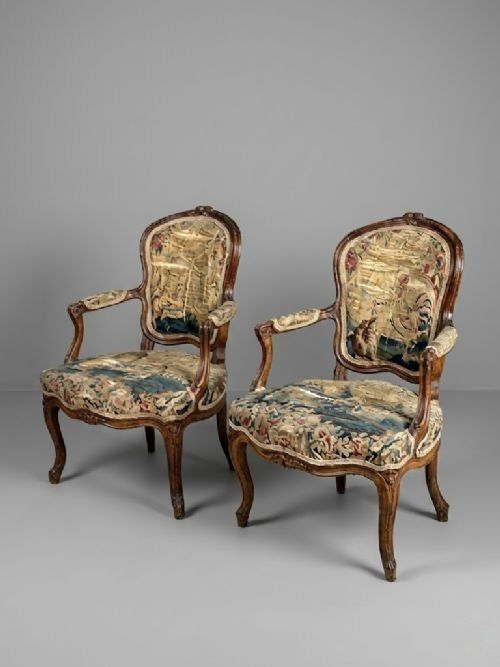
Weavers constructed the tapestries on looms using dyed threads to build up complex pictorial surfaces. Upholstered items integrated these woven textiles directly into seat covers and cushions, combining textile craft with woodworking.
French Aubusson Tapestry Retail Price Guide 2026
Typical asking prices for french aubusson tapestry among the pieces listed under this phrase on Sellingantiques today, from the lower quarter to the upper quarter. They describe what is for sale here now, not the wider market.
Feather-filled cushion fragments ensure that even a tiny piece of antique textile gets a second life on your sofa.
What varies in quality
Quality rests upon the fineness of the weave and the complexity of the pictorial design, separating simple decorative panels from works with intricate detail. The depth of the colour palette and the survival of original silk threads further distinguish superior examples.
The execution of the carved or giltwood frames on seating and the preservation of the textile surface determine the standing of each piece. Early examples from the seventeenth and eighteenth centuries command attention for their historical depth.
The French Aubusson Tapestry Glossary
- Verdure
- A tapestry featuring a stylized landscape or woodland scene filled with foliage, trees, and often birds or animals. These pastoral designs were particularly popular in seventeenth and eighteenth-century production.
- Portiere
- A heavy curtain hung over a doorway to reduce drafts and add decoration to an interior. They often share the same woven construction methods as wall tapestries.
- Canapé
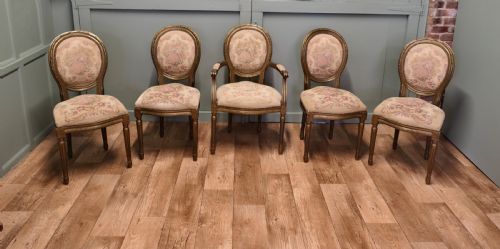
- A traditional French sofa or settee featuring an upholstered back and seat. Many examples on this page retain period textile covers.
- Entre-fenêtre
- A tall, narrow tapestry designed to hang on the wall space between two windows. These panels match the vertical architectural proportions of period rooms.
- Carton
- The full-scale design or painted drawing prepared by an artist to guide the weaver at the loom. Surviving examples include early oil on canvas works intended for this purpose.
French Aubusson Tapestry: Frequently Asked Questions
How do I hang a large tapestry?
Large wall hangings require even weight distribution across a sturdy wooden batten or hidden mounting system. This prevents distortion of the wool and silk fibres over time.
Avoid direct strong sunlight to protect the dyes from fading against the wall.
Are these pieces suitable for everyday seating?
Armchairs and settee frames upholstered in tapestry textile can handle gentle daily use. Consider placing them in low-traffic areas to preserve the delicate weave.
Professional cleaning and careful handling help maintain the integrity of antique fabric.
How do I identify a 17th-century panel?
Seventeenth-century panels often display dense verdure designs with deep greens, blues, and browns that have aged gracefully. The character of the wool and the specific style of foliage point toward this earlier era.
Comparing construction techniques with later nineteenth-century revivals clarifies the timeline.
What is the difference between a rug and a tapestry?
Rugs and carpets are woven with durable flat or piled structures designed for foot traffic on the floor. Wall tapestries and cushions utilise finer textile weaves intended purely for vertical display or soft furnishing.
Both categories share the distinctive Aubusson aesthetic but serve different functional roles in an interior.