




Antique French Wall Tapestry
An antique french wall tapestry brings centuries of woven artistry, pastoral scenes and grand chateau interiors straight into a modern room.
Antique French Wall Tapestry
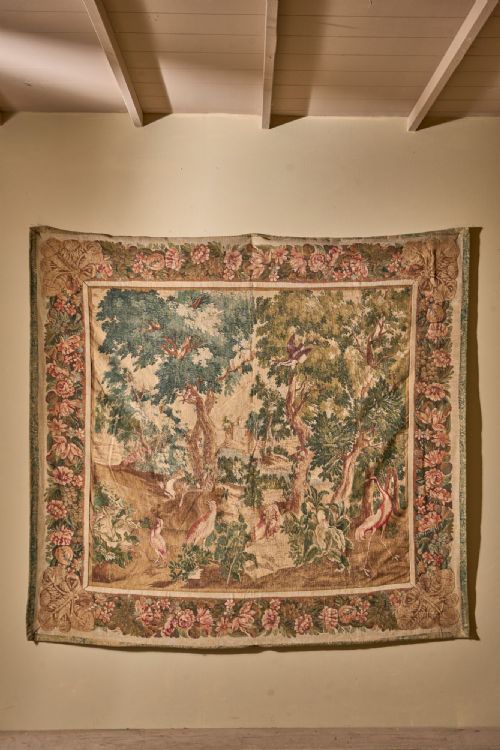
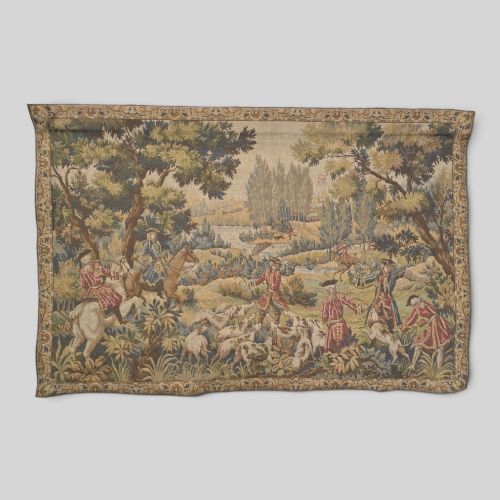
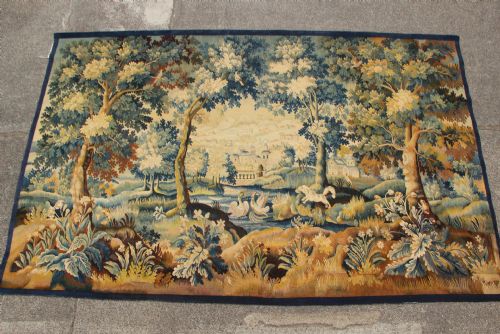
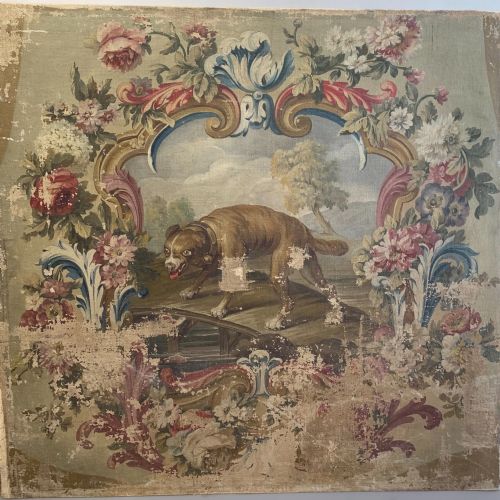
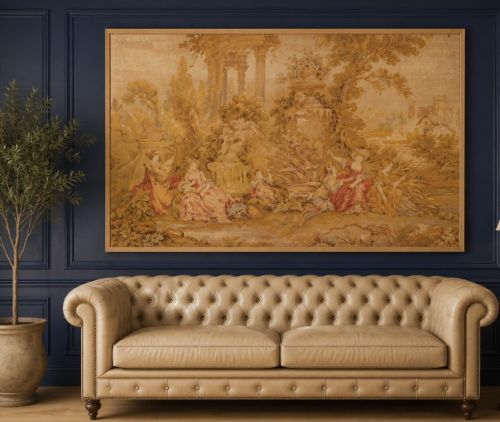
When you search for an antique french wall tapestry, you encounter large woven textile panels, verdure scenes, and framed needlework panels designed for interior display. The selections span from seventeenth-century forest landscapes to nineteenth-century Aubusson revivals.
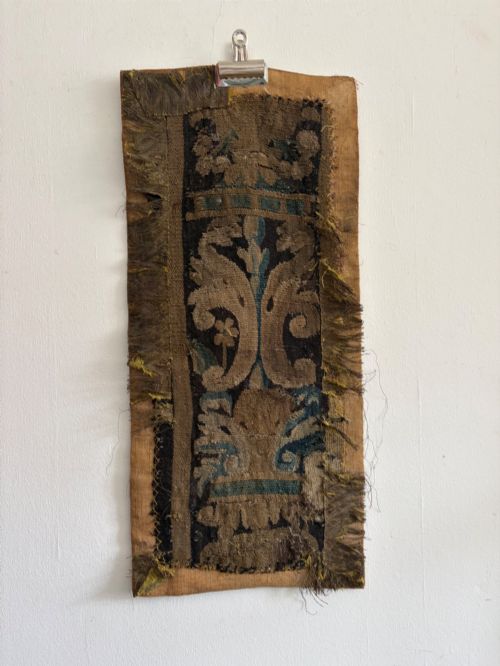
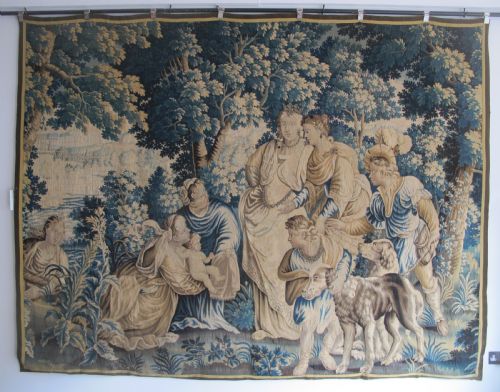
Most examples you meet on this page originate from French workshops, featuring wool and silk threads, linen backings, and pastoral or biblical narratives. Forms range from massive multi-metre wall hangings to slender entre-fenêtre panels made to fit narrow wall spaces between windows.
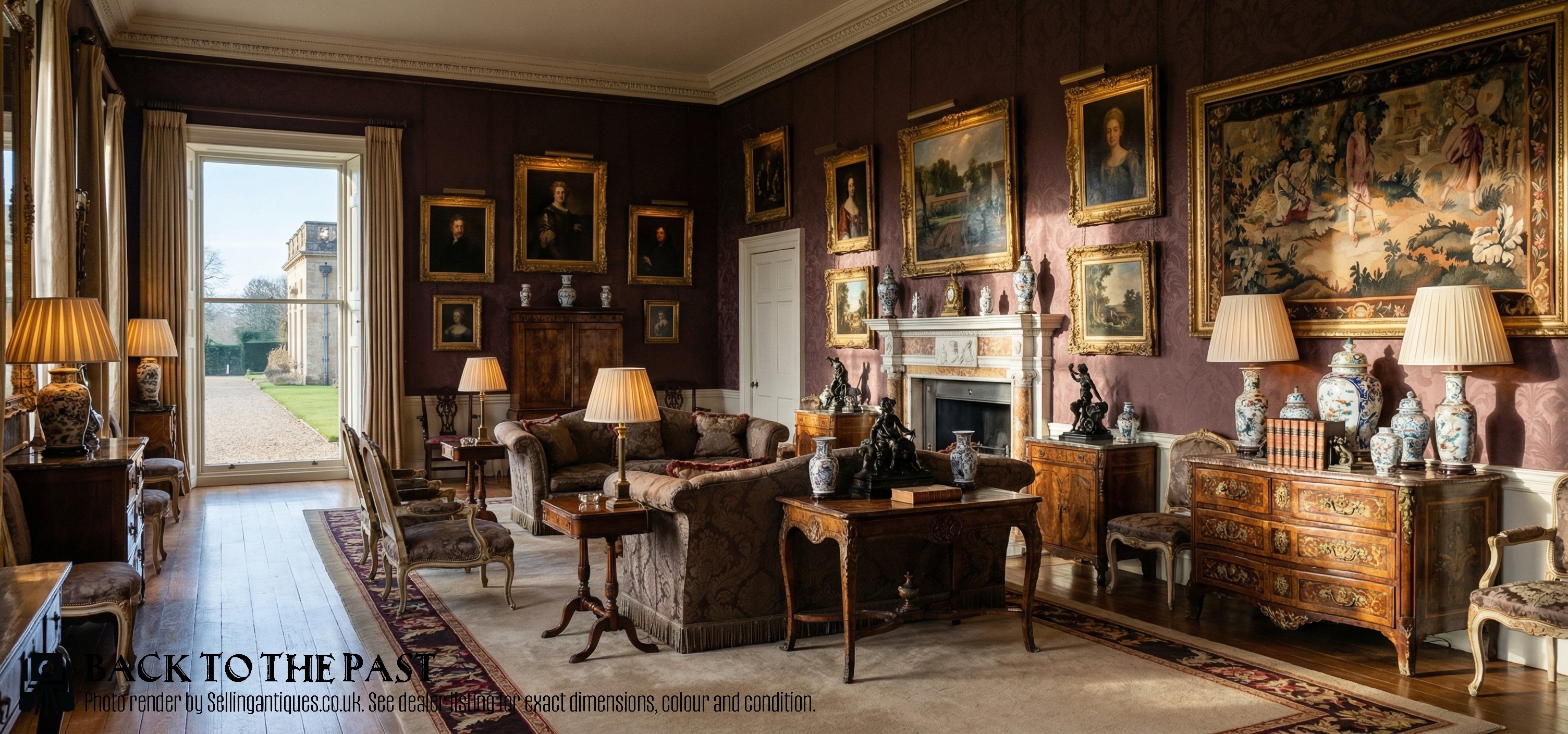
Buyers select these textiles to introduce texture, historical depth and muted vegetal tones to large architectural surfaces. The pieces function as acoustic dampeners and visual centerpieces, whether displayed loose on a hanging rod or mounted behind glass within carved wooden frames.
What varies in quality
The distinction between ordinary and exceptional pieces lies in the subtlety of the dye palette and the density of the weave. Verdure panels with rich botanical detail and varied leaf tones demonstrate superior workshop skill compared to repetitive, simpler compositions.
Condition and format heavily influence the character of each piece, as intact borders, original framing elements, and minimal restoration preserve the integrity of the design. Aubusson weaves with finely rendered figural scenes represent the upper tier of execution.
Listings feature textile art from the seventeenth, eighteenth, and nineteenth centuries, utilising wool, silk, and linen.
The Antique French Wall Tapestry Glossary
- Aubusson
- A style of tapestry woven in the central French town of Aubusson, typically depicting pastoral landscapes, floral motifs or architectural elements without a figural border. These pieces often employ muted earth tones and subtle wool gradients.
- Verdure
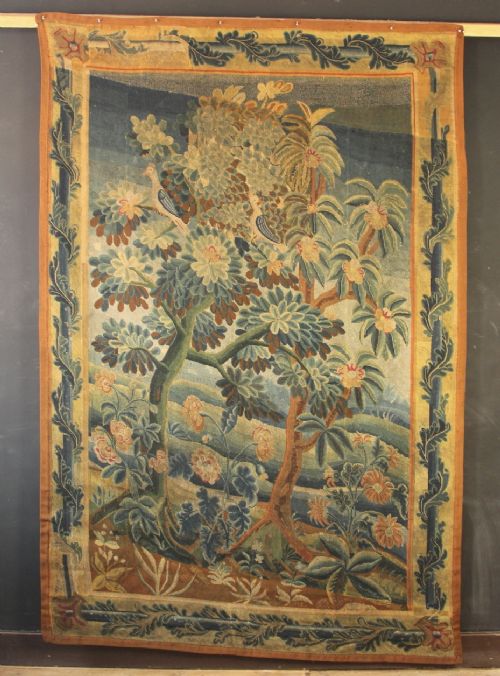
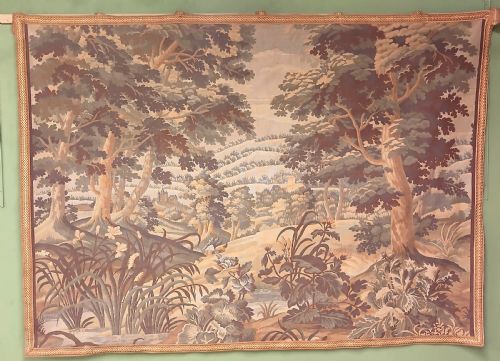
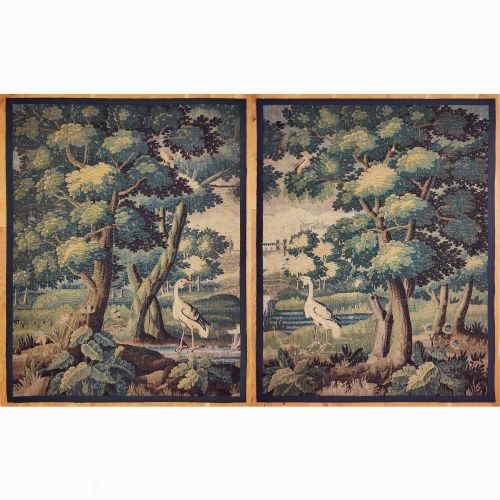
- A tapestry genre dominated by dense foliage, trees, plants, and frequently birds or animals in a woodland setting. The colour palette relies heavily on greens, blues, and browns.
- Entre-fenêtre
- A tall, narrow tapestry panel specifically proportioned to hang on the wall space between two windows. These pieces maximise vertical impact in formal eighteenth and nineteenth-century rooms.
- Mille-fleurs
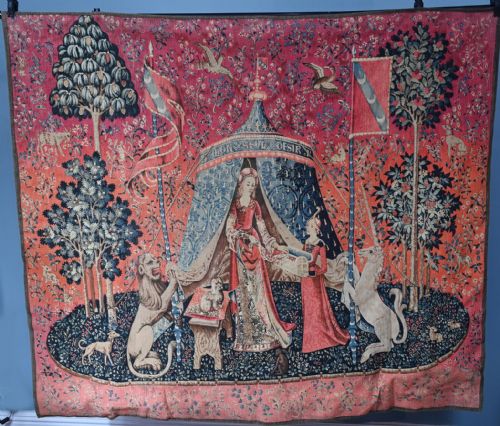
- A background style composed of countless small, distinct flowers scattered across a dark or neutral field. This medieval-inspired motif appears frequently in unicorn and pastoral wall coverings.
- Carton
- The full-scale preparatory painting on paper or canvas used by the weaver as a direct guide for the composition. Painters created these detailed templates before the wool and silk met the loom.
Antique French Wall Tapestry: Frequently Asked Questions
How do I hang a large tapestry?
Large textile panels require even weight distribution to prevent stretching the historic fibres over time. Many owners use a hidden wooden batten or a sturdy metal rod inserted through a fabric sleeve sewn to the reverse.
For framed needlework panels, standard mirror or picture hanging hardware secured to solid wall studs provides safe support. Avoid direct sunlight to protect the wool and silk dyes from fading.
What is a verdure tapestry?
A verdure tapestry is a woodland-themed wall hanging dominated by lush foliage, trees, ferns, and often small animals or distant chateau glimpses. These pieces were designed to bring the outside garden into grand interior rooms.
Originating heavily in French workshops like Aubusson, they provide rich textural depth and earthy colour palettes that blend easily with traditional and modern furniture.
How do I date an old wall hanging?
Dating relies on examining the stylistic clues within the woven imagery, such as costume details, border designs, and the specific botanical rendering. Seventeenth-century pieces often feature heavier architectural borders, while eighteenth-century works lean towards lighter pastoral charm.
Material analysis also helps, as backing linens, framing types, and the specific twist of the wool and silk threads shift across centuries of production.