
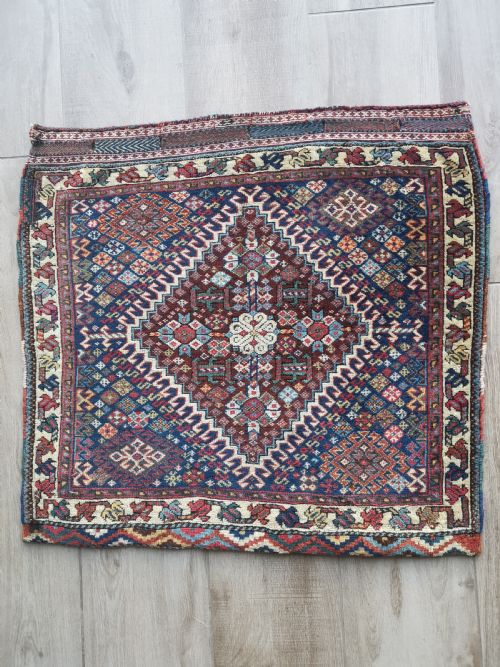


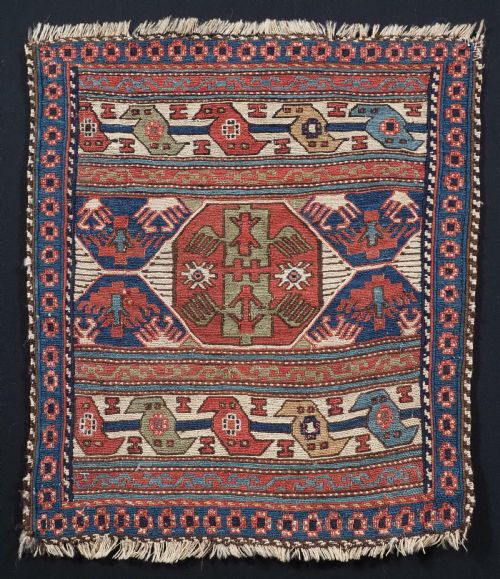
Blue Wool Cushion Panel
These blue wool cushion panel examples are textile fragments and tribal weavings repurposed into home furnishings, offering rich colour and historic texture.
Blue Wool Cushion Panel
A blue wool cushion panel brings together antique textile fragments, tapestry pieces, and tribal bag faces from various origins. Buyers searching for a blue wool cushion panel typically find items originating from Persian tribal groups, Anatolian nomads, and European workshops.
The selection on this page centres heavily on repurposing older woven items such as saddlebag faces, wheat sacks, and tapestry fragments into cushions and soft furnishings. Periods span from the seventeenth century through to the early twentieth century.
Tribal textiles from regions like Persia and the Caucasus appear frequently alongside seventeenth-century Flemish tapestry fragments. These objects bridge the gap between historic museum pieces and functional interior decoration.
Materials and construction methods
The primary material foundation relies on wool, hand-spun wool, and goat hair, often combined with linen or cotton foundation threads and occasional silk highlights. Dyes derived from natural sources provide the characteristic blue and multi-coloured palettes found across these textiles.
Construction techniques vary from flat-woven soumak and banded weft work to pile knots and European tapestry weaving. Artisans worked on upright or horizontal looms using traditional tribal and workshop methods handed down through generations.
Some nineteenth-century saddlebags were woven simply to store wheat, yet now rest comfortably on modern sofas.
Distinguishing quality in older textiles
Quality rests upon the integrity of the weave, the clarity of the remaining design, and the survival of the original material. Finer knotting or tighter tapestry weave indicates a higher level of initial craftsmanship.
The condition of the wool and the depth of the dye saturation dictate visual success. Pieces retaining strong structural integrity alongside honest signs of age command greater appreciation among collectors.
The Blue Wool Cushion Panel Glossary
- Soumak
- A flat-weave technique where coloured weft threads wrap around the warp threads in a specific sequence to create a durable, textured surface. This method produces strong geometric patterns often seen on tribal bag faces.
- Bagface
- The decorative front portion of a nomadic storage bag, usually woven in pile or flat-weave techniques. These panels are frequently removed and converted into cushions or wall hangings.
- Tapestry fragment
- A surviving portion of a larger hand-woven pictorial or decorative textile. Seventeenth-century examples often depict classical or floral motifs.
- Warp
- The stationary vertical threads stretched on a loom before weaving begins. Weft threads pass over and under these structural elements.
- Weft
- The horizontal threads passed through the warp to create the fabric. In banded weft work, these threads form distinct horizontal stripes of colour.
Blue Wool Cushion Panel: Frequently Asked Questions
What are these panels made from?
These items are constructed primarily from wool, hand-spun wool, and goat hair, occasionally incorporating cotton, linen, or silk.
The materials reflect both nomadic tribal production and European workshop traditions depending on the specific origin of the fragment.
How old are these textile pieces?
The pieces span multiple centuries, ranging from seventeenth-century European tapestry fragments to nineteenth-century and early twentieth-century tribal items.
Dating relies on stylistic analysis, material examination, and structural characteristics recorded in the listings.
How should I care for a textile cushion?
Gentle handling and protection from direct sunlight preserve the natural wool fibres and historic natural dyes.
Professional textile conservation cleaning is recommended rather than standard domestic laundering.
Where do these tribal designs originate?
Designs originate from various nomadic and settled weaving traditions, including Persian tribes like the Qashqai, Afshar, Kurdish, and Shahsavan groups.
European pieces stem from Flemish tapestry traditions dating to the seventeenth century.