




Antique Needlepoint Cushion
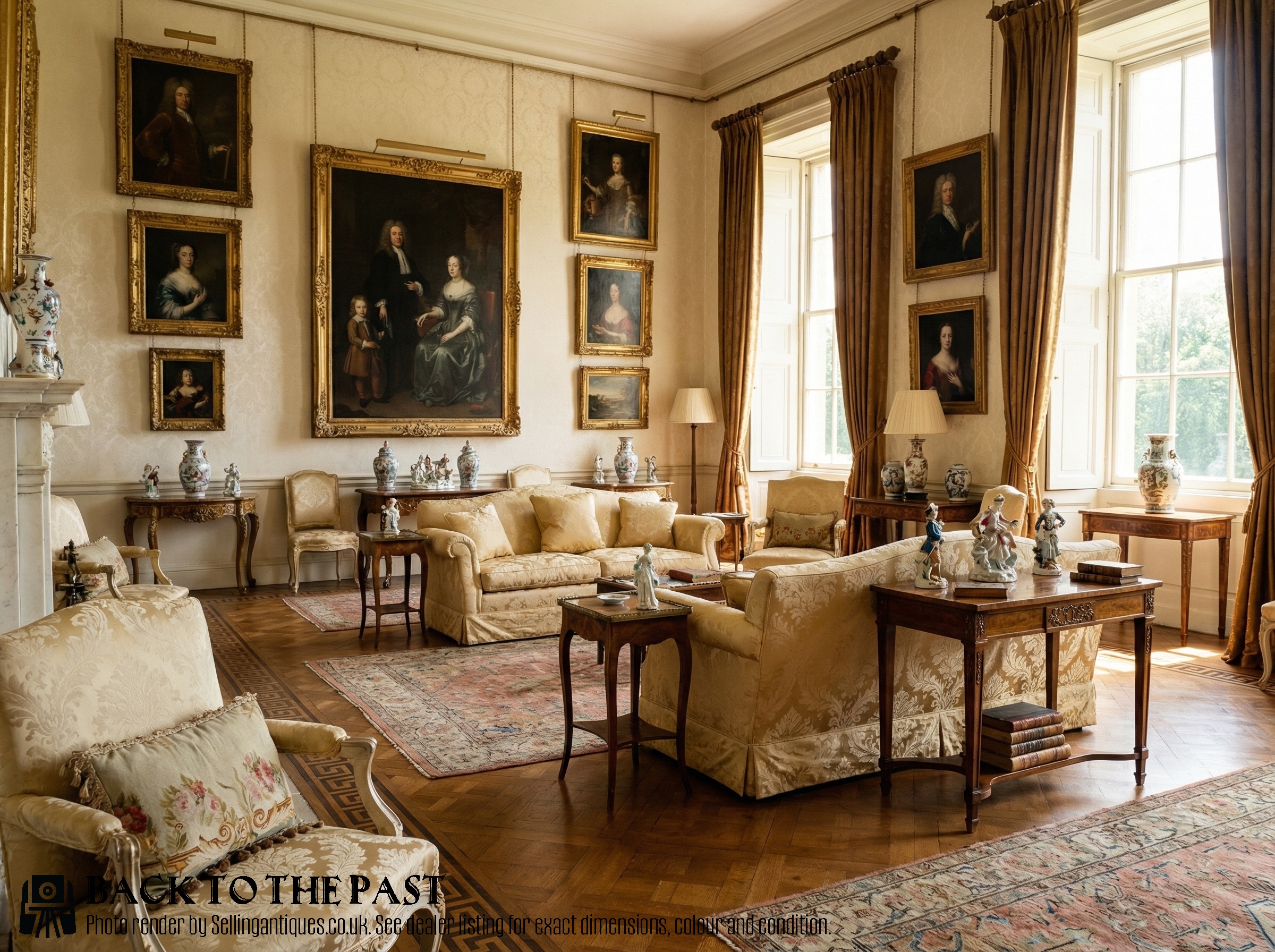
These antique needlepoint cushion pieces bring tactile history and rich textile art into a room, offering both traditional craft and period charm.
Antique Needlepoint Cushion
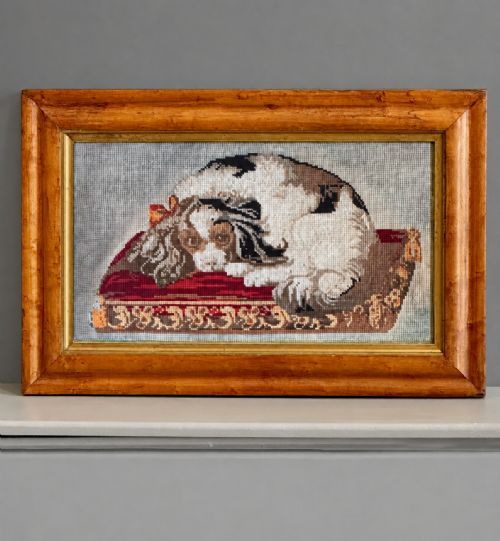
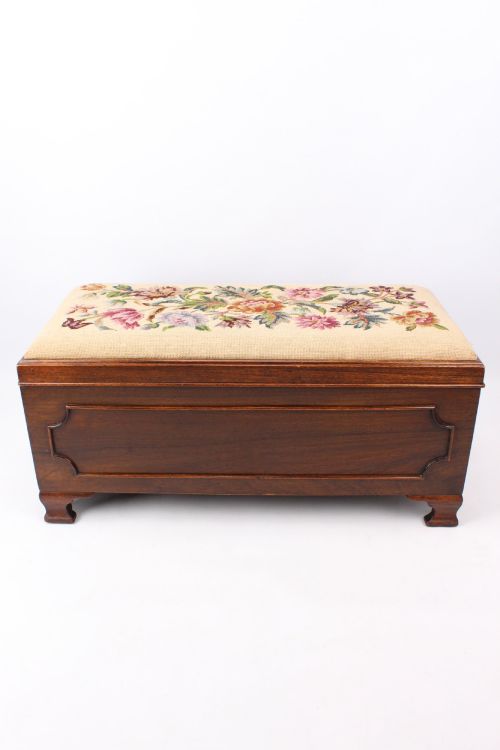
An antique needlepoint cushion is a decorative textile furnishing worked in wool, silk, or cotton on canvas or linen, spanning periods from the seventeenth century through to the twentieth century. These items include framed needlework, tapestry cushion covers, and upholstered seating such as ottomans and chairs featuring needlework seats.
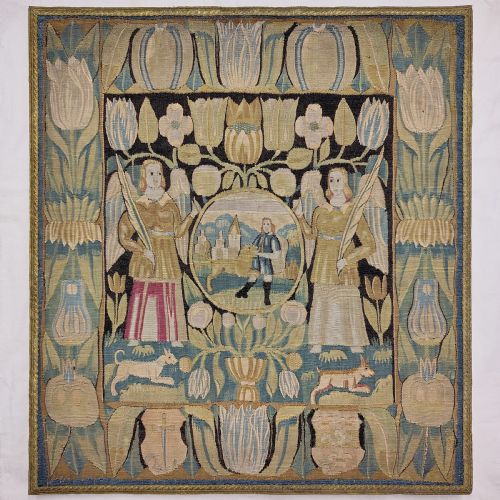
Buyers seeking an antique needlepoint cushion will frequently encounter seventeenth-century tapestry cushion covers alongside nineteenth-century Berlin work and French examples. The selection ranges from Swedish pillow embroidery and Aubusson pieces to German tapestry cushions and floral wool designs.
The assortment reflects diverse regional traditions and stylistic influences, encompassing Victorian pieces, French Chateau aesthetics, Baroque designs, Arts and Crafts movements, and Scandinavian folk art. These textile works function both as soft furnishings and as framed pieces of historic textile art.

How they were made
The construction of an antique needlepoint cushion relies upon stitching wool, silk, or cotton threads through a supportive foundation of canvas or linen. Artisans executed intricate needlework designs by hand, often employing specific regional stitches to build up dense, durable surfaces.
Framed pieces and cushion covers frequently incorporated structural timber elements such as mahogany, wood, and burr maple for frames or mounts. These secondary materials provided sturdy enclosures and supports that helped preserve fragile historical textiles over centuries of use.
What varies in quality
The quality of an antique needlepoint cushion depends largely on the fineness of the stitchwork and the complexity of the design executed by the maker. Finer threads and tighter, more even stitching yield greater textural depth and longevity, distinguishing superior examples from coarser work.
The preservation of the original materials, whether wool, silk, or canvas, significantly influences the standing of a piece. Original frames, such as burr maple, and the retention of authentic period backing or structural elements add materially to the integrity of the textile.
Liberty and Co
The Antique Needlepoint Cushion Glossary
- Berlin work
- A style of counted-thread embroidery popular in the nineteenth century, often worked in brightly coloured wool on canvas from printed pattern grids.
- Aubusson
- A style of tapestry originating from the French town of Aubusson, known for floral and pictorial designs used in cushions and wall hangings.
- Canvas
- A heavy woven fabric used as the foundational mesh or ground upon which needlepoint and tapestry stitches are worked.
- Tapestry cushion cover
- A decorative textile cover, often dating from the seventeenth century, designed to enclose a cushion pad and display pictorial hand-stitched scenes.
- Scandinavian folk art
- Traditional regional decorative design and craftsmanship originating from Nordic countries, frequently featuring distinctive geometric or floral embroidery patterns.
Antique Needlepoint Cushion: Frequently Asked Questions
How do I clean an antique needlepoint cushion?
Historic textiles require gentle handling and are generally unsuited to immersion washing or harsh chemical cleaning. Professional textile conservators should be consulted for advice on dust removal and conservation.
Surface dust can sometimes be carefully lifted using low-suction vacuuming through a protective mesh screen. Avoiding direct sunlight helps prevent the fading of wool and silk threads.
Are these cushions suitable for everyday use?
Many of these pieces were created as decorative furnishings or artistic covers, and fragile seventeenth-century or nineteenth-century textiles benefit from gentle treatment. Using them primarily for display preserves the delicate stitching and historic materials.
Seating items like ottomans and chairs with needlepoint inserts offer more robust utility, though care remains important to protect the antique embroidery from excessive wear.
How can I tell a seventeenth-century piece from a nineteenth-century one?
Seventeenth-century examples often feature tapestry cushion covers with Baroque motifs and heavier wool or linen weaves. Nineteenth-century pieces frequently display Berlin work or refined floral patterns influenced by Victorian or French Chateau styles.
Examining the type of canvas, the twist and dye of the threads, and any accompanying frames such as burr maple provides further clues to the period of manufacture.
What materials were used to make these cushions?
The primary textile materials recorded are wool, silk, cotton, canvas, and linen, which form the base fabrics and embroidered surfaces. Secondary materials include wood, mahogany, burr maple, and glass, which appear in frames, ottomans, and chairs.
Different periods favoured specific combinations, such as wool on canvas for nineteenth-century Berlin work or heavier tapestry weaves for seventeenth-century covers.