



French Country Cushion
These French country cushion pieces bring tactile historic texture to a room, offering genuine period textiles and frames for everyday interiors.
French Country Cushion
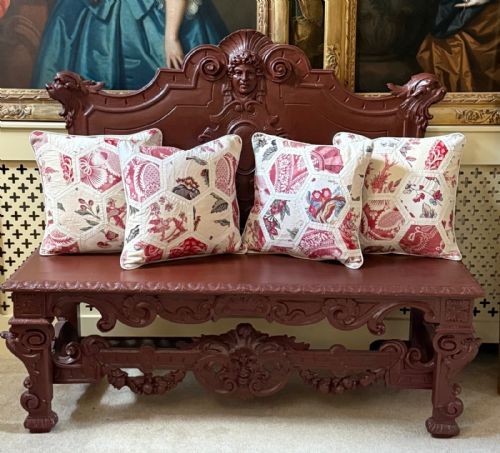
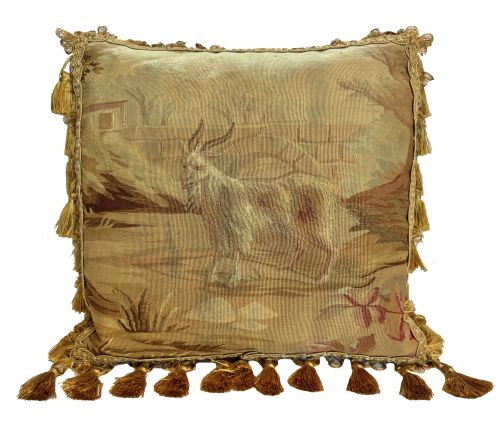
A french country cushion brings together woven textile artistry and period interior elements from the nineteenth century. Buyers exploring this selection encounter antique Aubusson tapestries alongside toile cushion covers with eighteenth-century Belgian linen backs.
The objects span varied forms including decorative cushions and cushion mirrors mounted with metal work or framed in gilt wood and ripple moulding. Edwardian and nineteenth-century examples dominate the selection, reflecting distinct European decorative traditions.
Makers and artisans of the period utilised durable upholstery techniques, often combining wool, cotton, silk, and feather inners. These tactile items integrate seamlessly into domestic settings requiring authentic historic character.

How they were made
Textiles like Aubusson tapestries and toile covers utilise hand-woven wool, cotton, silk, and linen fibres. Artisans constructed cushion covers using aged materials alongside feather inners for structure and comfort.
Frames and mounts employ gesso and gilt wood shaped into ripple moulding or decorative metal mounts. Nineteenth-century craftsmen united carved timber and metallic elements to create mirror and cushion combinations.
French Country Cushion Retail Price Guide 2026
Typical asking prices for french country cushion among the pieces listed under this phrase on Sellingantiques today, from the lower quarter to the upper quarter. They describe what is for sale here now, not the wider market.
Materials recorded across the selection include wool, cotton, silk, glass, linen, gesso, feather, and gilt wood.
What varies in quality
The finesse of the textile weave distinguishes standard items from superior examples. Finely executed Aubusson tapestries display intricate pictorial depth through careful control of wool and silk threads.
Frame construction and material preservation determine the standing of mounted pieces. Original gilt wood surfaces and intact metal mounts demonstrate higher craftsmanship than later replacements or heavily restored structures.
The French Country Cushion Glossary
- Aubusson
- A traditional tapestry woven in the French town of Aubusson, known for pictorial designs. These woven panels frequently form the face of antique cushions.
- Toile
- A cotton or linen fabric featuring printed or woven pastoral scenes. Eighteenth-century linen backs often accompany these covers.
- Gilt wood
- Timber treated with gesso and covered in thin gold leaf. This material forms decorative frames and mirror surrounds.
- Ripple frame
- A wooden moulding carved with concentric undulating waves. Nineteenth-century mirror frames frequently utilise this profile.
- Gesso
- A plaster mixture applied to wood surfaces as a preparation for gilding. It allows crisp detail in carved frames.
French Country Cushion: Frequently Asked Questions
How do I care for antique cushions?
Historic textiles require gentle handling and protection from direct sunlight to prevent fibre degradation. Keep them in dry environments away from excessive moisture.
Spot cleaning should be avoided unless handled by a professional textile conservator. Regular light suction through a mesh screen helps remove dust.
What is an Aubusson cushion?
An Aubusson cushion incorporates a section of hand-woven tapestry originating from the famous French weaving region. These panels depict floral or pastoral motifs.
Craftsmen repurposed these historic tapestries into decorative cushions during the nineteenth century and later periods.
How old are these textile pieces?
The available items primarily date from the nineteenth century, including specific pieces from eighteen-sixty and eighteen-eighty alongside Edwardian examples. Some covers incorporate even older eighteenth-century Belgian linen.
Stylistic indicators and material construction help confirm these nineteenth-century origins.
Can I use these cushions daily?
While these pieces were made for domestic use, their age requires mindful placement. They serve well as decorative accents on armchairs or beds.
Avoiding heavy daily friction preserves the delicate wool and silk tapestries.