



Antique Wool Cushion
An antique wool cushion brings texture and history to a room through repurposed tribal weavings, European tapestries and Berlin work needlework.
Antique Wool Cushion
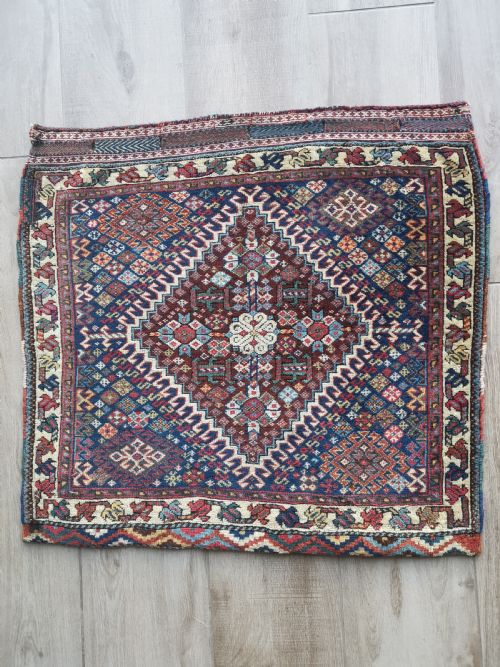
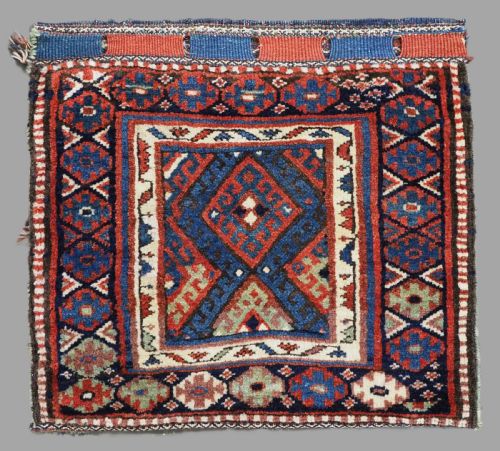
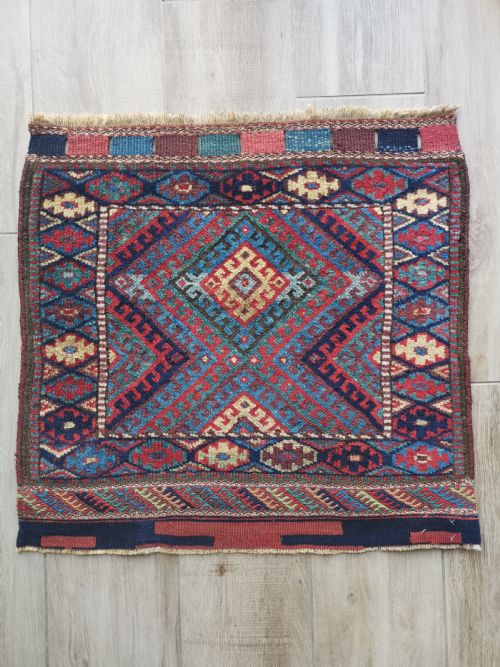
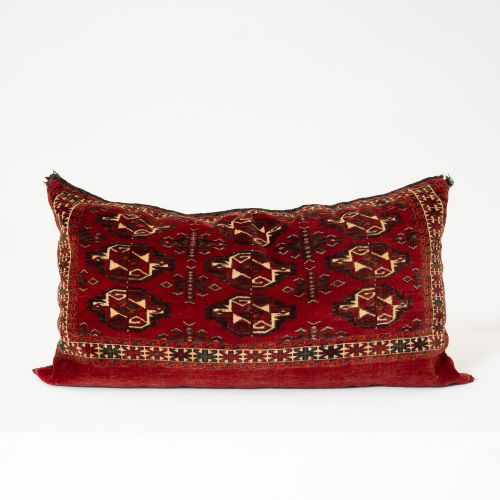
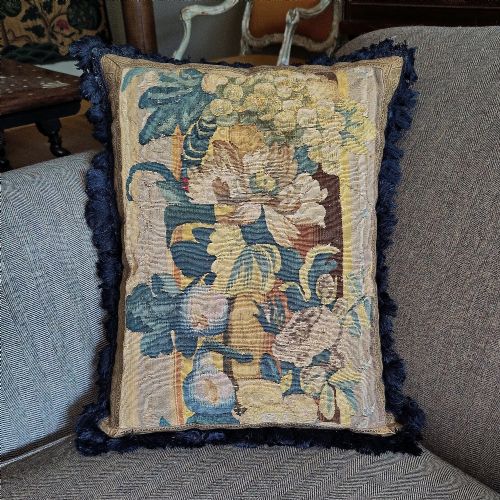
An antique wool cushion usually takes the form of a repurposed tribal bagface, saddlebag or fragment rather than a domestic cushion made in the period. These pieces originate from Persian, Anatolian and Turkmen groups, alongside European needlework and Flemish tapestry fragments dating from the seventeenth century onwards.
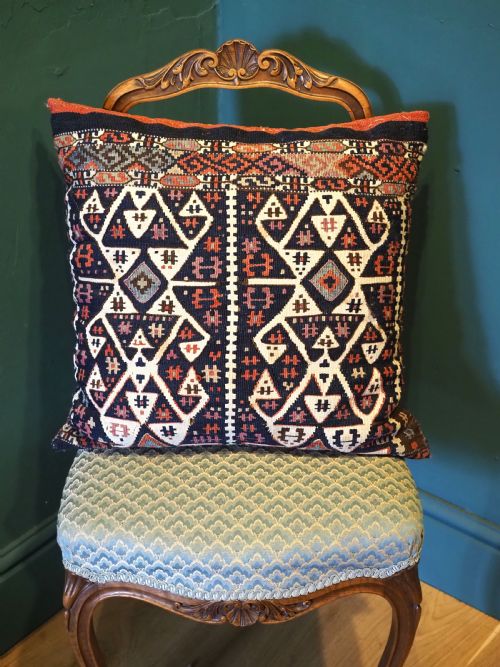
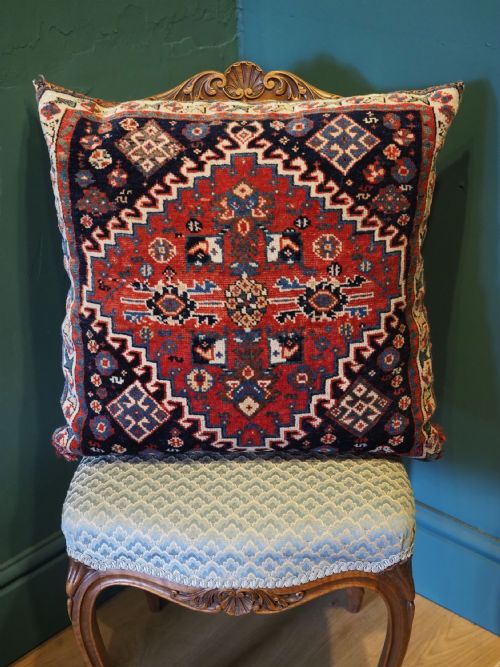
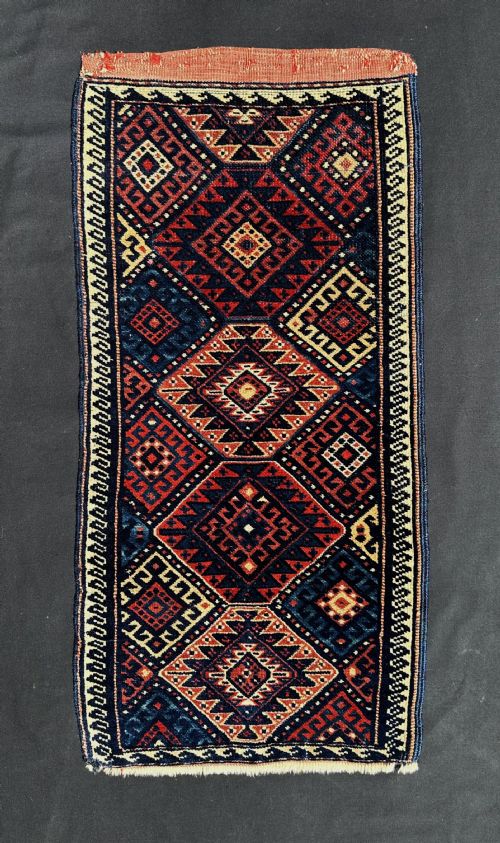
The most common examples on this page are flatwoven kilims, soumac bagfaces and pile carpets transformed into cushions. They combine durable wool pile or flatweave fronts with supportive cotton or linen backs, occasionally set inside period wooden frames like burr maple.
How they were made
The primary textiles rely on hand-spun wool manipulated through knotting, flatweaving or needlework techniques. Natural dyes provide the rich palettes seen in tribal bagfaces, while European examples utilise detailed wool and silk embroidery threads on canvas.
Makers constructed these functional objects to withstand nomadic life or formal European interiors, employing sturdy cotton, linen and canvas backings to support the antique textile fronts.
Listings span periods from the seventeenth century to the early twentieth century, incorporating wool, cotton, silk, and burr maple.
What varies in quality
Quality rests on the density of the weave, the clarity of the tribal motifs or pictorial designs, and the integrity of the original textile. Tightly knotted piles and finely worked needlework command attention for their durability and visual depth.
The condition of the wool and the authenticity of the natural dyes influence the character of each piece. Surviving examples that retain their original tribal flatweave backs or period frames show superior completeness.
The Antique Wool Cushion Glossary
- Bagface
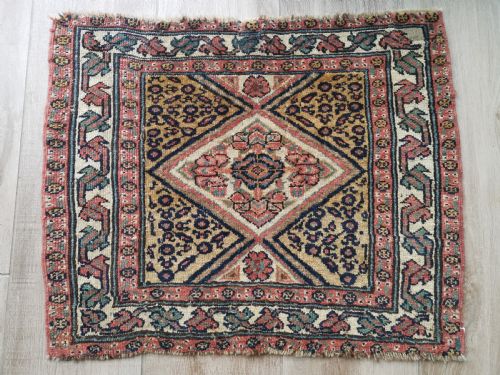
- The decorative front panel of a nomadic storage bag or saddlebag. These panels are frequently repurposed into cushions.
- Kilim
- A flatwoven textile produced without a pile. They form lightweight, durable cushion covers with sharp geometric patterns.
- Berlin work
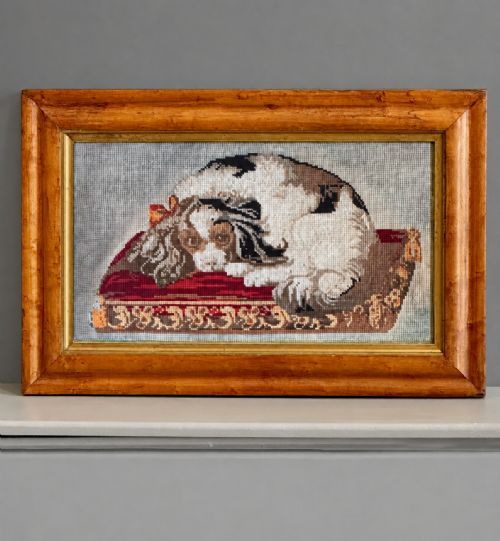
- A style of nineteenth-century needlepoint worked in wool on canvas from charted patterns. It often depicts animals or floral subjects.
- Torba
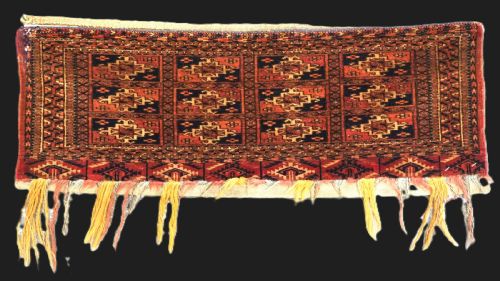
- A small Turkmen storage bag used inside a tent. Their distinctive face designs translate directly into decorative cushion formats.
- Soumac
- A wrapping technique used in flatweaving that creates a sturdy structure and a textured surface resembling embroidery.
Antique Wool Cushion: Frequently Asked Questions
What is an antique wool cushion?
An antique wool cushion is a decorative home accessory made by repurposing historic textiles, such as tribal bagfaces, kilims, and European tapestries.
These historic fabrics are stitched onto supportive cotton or linen backings to create functional cushions that preserve centuries-old handcraft.
How were tribal bagfaces used?
Tribal bagfaces originally formed the visible fronts of functional storage sacks and saddlebags used by nomadic groups in Persia and Anatolia.
Nomads utilised these woven bags to transport household goods and grain during seasonal migrations before collectors later converted them into cushions.
How do I clean an antique cushion?
Antique wool cushions require gentle care due to the age of the natural fibres and dyes.
Surface dirt should be removed with light vacuuming through a mesh screen, and professional textile cleaning is recommended for deeper maintenance.
How do I identify tribal designs?
Tribal designs are identified by characteristic geometric motifs, repeating guls, and regional colour palettes associated with specific weaving groups.
Reference books and comparison with documented pieces help determine whether a weaving originates from Qashqai, Turkmen, or Baluch traditions.