




Antique Tapestry Pillow
An antique tapestry pillow brings centuries of woven texture and historical design into a room, offering an instant anchor of tactile warmth.
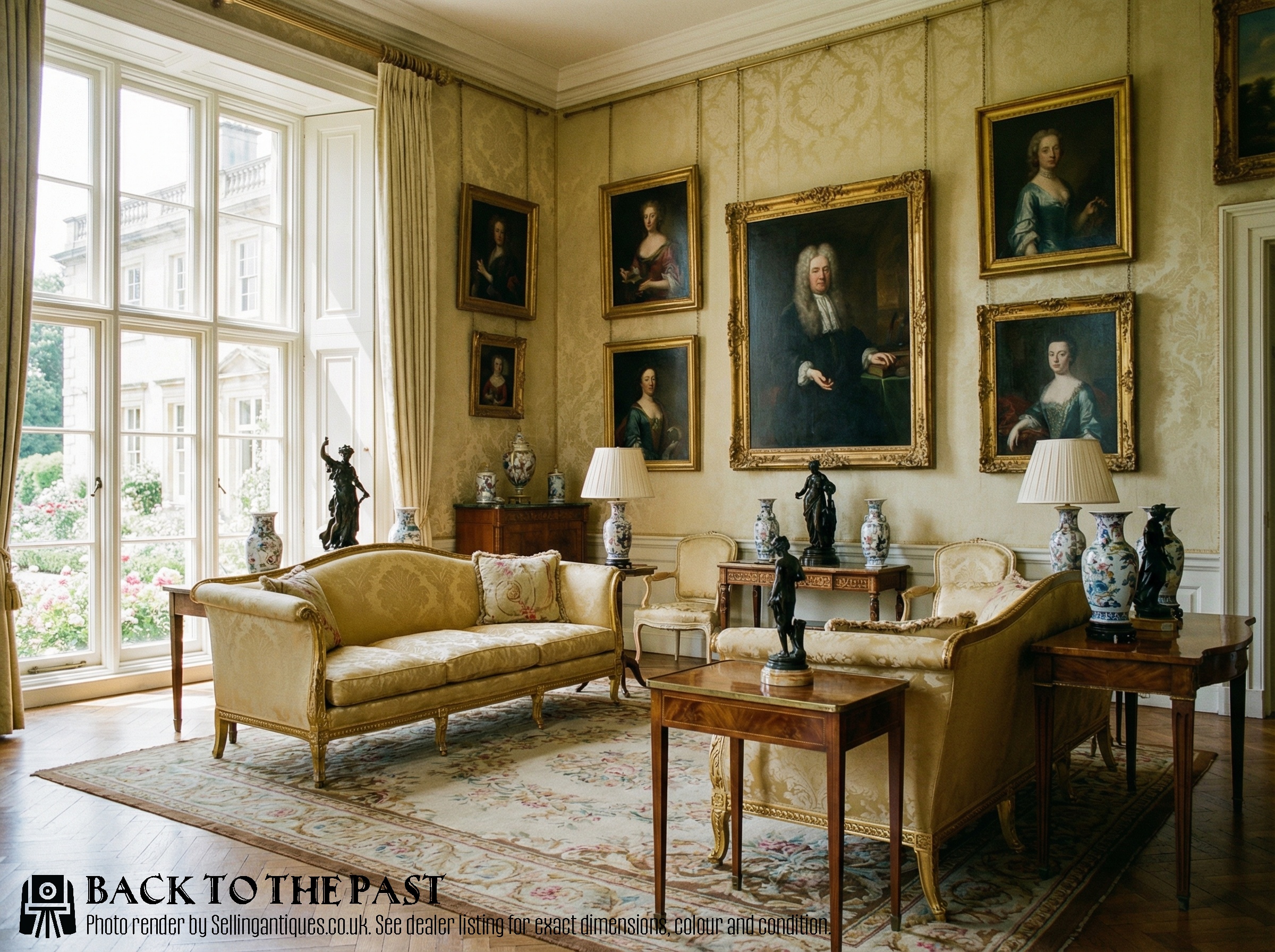
Antique Tapestry Pillow
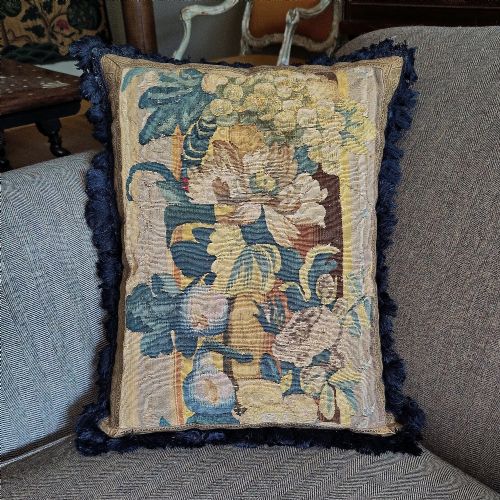
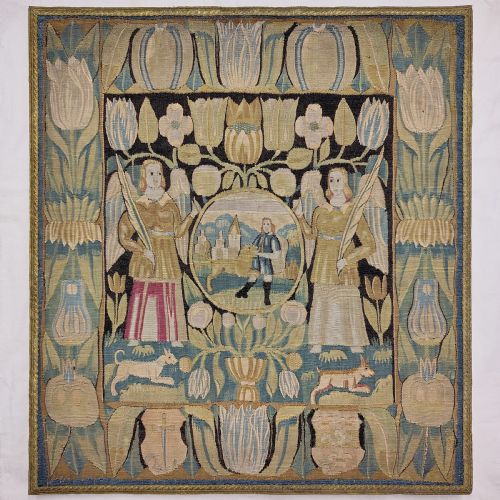
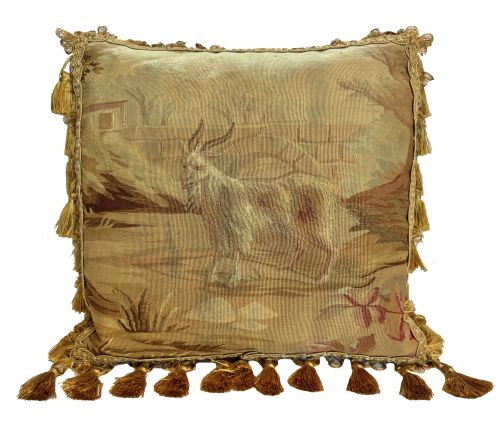
When you search for an antique tapestry pillow, you are looking at soft furnishings constructed from historical woven fragments, often repurposed from larger textiles. The pieces on this page span the seventeenth century through to the late nineteenth century, taking the form of cushions, cushion covers, and embroidered pillows. They incorporate remnants of French chateaux weaving, Flemish borders, and tribal weavings into domestic comfort.
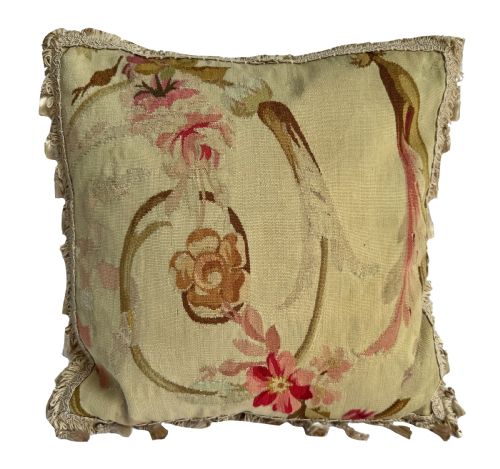
The most common items you will encounter here are nineteenth-century French Aubusson cushions alongside earlier seventeenth-century Flemish tapestry fragments. Alongside these European court styles, the selection includes Scandinavian folk art embroidery and Anatolian tribal flatweaves. Each object combines decorative textile art with functional interior furnishing.
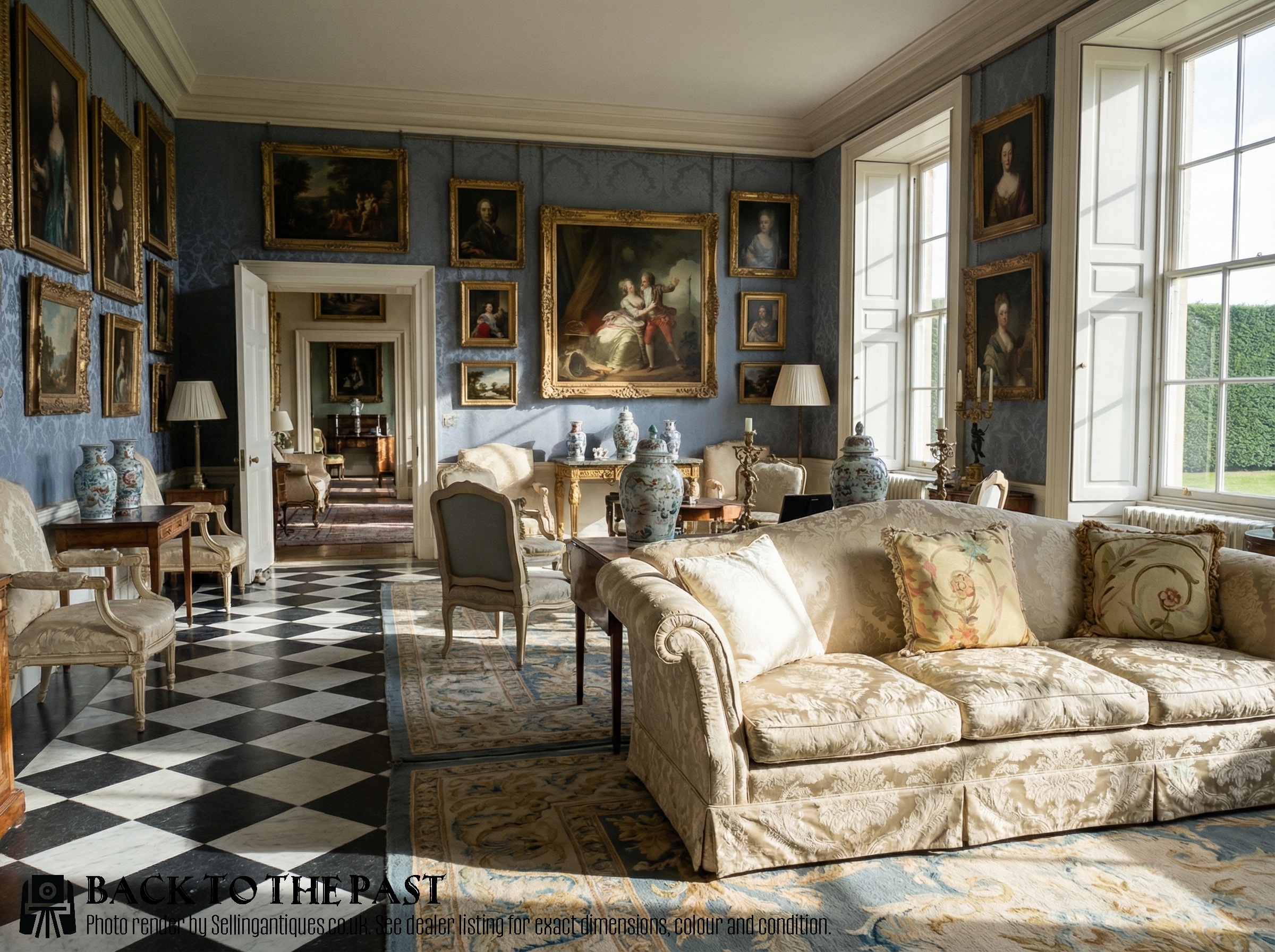
How they were made
These pieces rely on natural fibres such as wool, silk, cotton, and linen, hand-woven or embroidered to create dense pictorial and geometric surfaces. Seventeenth-century examples utilise complex hand-weaving techniques for borders and pictorial scenes, while nineteenth-century Aubusson cushions employ fine wool and silk tapestry weaves. Swedish pieces demonstrate traditional needlework embroidery on linen or wool grounds dated to the mid-nineteenth century.
Many of these cushions incorporate decorative passementerie or passementerie trim, edging the historical textile panels with braided or corded details. The structural backs are frequently fashioned from supportive fabrics and sometimes mounted with wood elements or traditional fastenings to maintain their shape as cushions.
Regional styles include French chateau Aubusson, Flemish borders, Scandinavian folk embroidery, and Anatolian tribal flatweaves.
What varies in quality
The distinction between a standard cushion and a superior one lies in the age and artistic merit of the textile fragment utilised. Pieces featuring seventeenth-century Flemish border work or fine Aubusson weave carry greater historical depth than later nineteenth-century adaptations. The intricacy of the original hand-weaving directly influences the visual impact of the finished pillow.
Condition and integrity also separate the grades of these textiles, noting how well the wool, silk, and linen yarns have survived centuries of use. The quality of the supporting materials, including the precision of any passementerie trim and the structural assembly, completes the piece. Higher-grade examples preserve the original character of the antique weave without compromising its stability as a soft furnishing.
The Antique Tapestry Pillow Glossary
- Aubusson
- A style of hand-woven tapestry originating from the French town of Aubusson, known for floral and architectural motifs. These panels are frequently repurposed into decorative cushion covers.
- Flemish tapestry
- A historical woven textile produced in Flanders during the seventeenth century or earlier, celebrated for intricate pictorial narratives. Fragments of these works often form the face of antique pillows.
- Passementerie
- Decorative edgings, braids, and tassels used to finish the borders of textiles and upholstery. In these listings, it provides a tailored transition between the antique panel and the cushion back.
- Chuval
- A traditional Turkmen tent bag or storage sack woven by tribal groups. Surviving examples are occasionally adapted into cushions.
- Kilim
- A flat-woven carpet or rug produced in Anatolia and surrounding regions. These durable textiles are commonly utilised for their geometric tribal patterns in decorative pillows.
Antique Tapestry Pillow: Frequently Asked Questions
Are these antique pillows made from old textiles?
Yes, these cushions are constructed using historical woven fragments, such as seventeenth-century Flemish borders and nineteenth-century French Aubusson panels. The textiles are carefully repurposed from larger works to create functional home accessories.
This practice preserves fragile pieces of textile art by giving them a practical purpose in contemporary interiors, allowing historical weaving to be enjoyed daily.
How do I care for an antique tapestry cushion?
These delicate textiles require gentle handling, protection from direct sunlight to prevent fading, and occasional light surface cleaning. Professional textile conservation cleaning is recommended for any deeper maintenance.
Because they incorporate antique wool, silk, and linen, avoiding heavy friction and moisture will help preserve the integrity of the weave.
What is the difference between an Aubusson and a Flemish pillow?
Aubusson cushions typically date from the nineteenth century and feature classical French floral or pastoral motifs woven in softer wools and silks. Flemish pillows incorporate seventeenth-century fragments that often display denser pictorial scenes or elaborate border designs.
Both styles represent distinct European weaving traditions but offer different aesthetic weights in a room.
Can I use these cushions on daily seating?
While these items are constructed as cushions, their historical nature means they are often best suited for decorative placement rather than heavy everyday wear. Placing them on armchairs or beds limits physical friction on the fragile antique fibres.
Treating them as accent pieces ensures the seventeenth-century and nineteenth-century textiles remain protected over time.