


Antique French Cushion
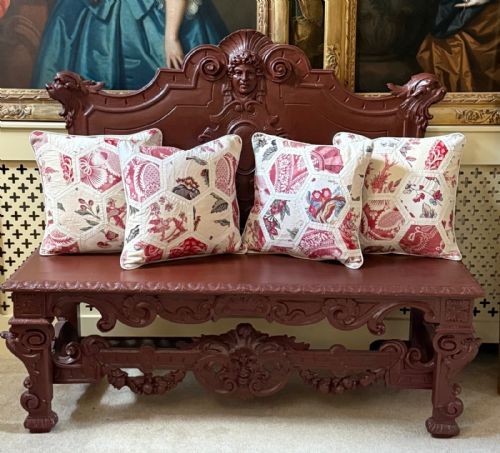
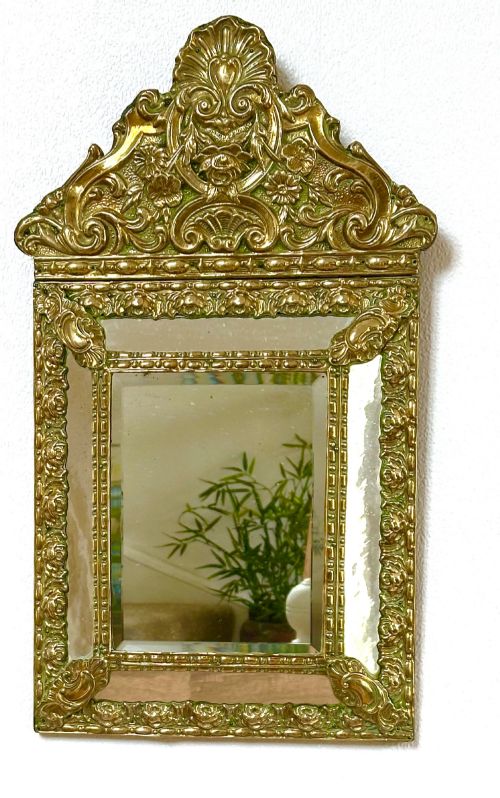
When you search for an antique french cushion, you encounter either deeply upholstered textile furnishings woven with historic tapestries or the convex-framed architectural wall mirrors known by the same term.
Antique French Cushion
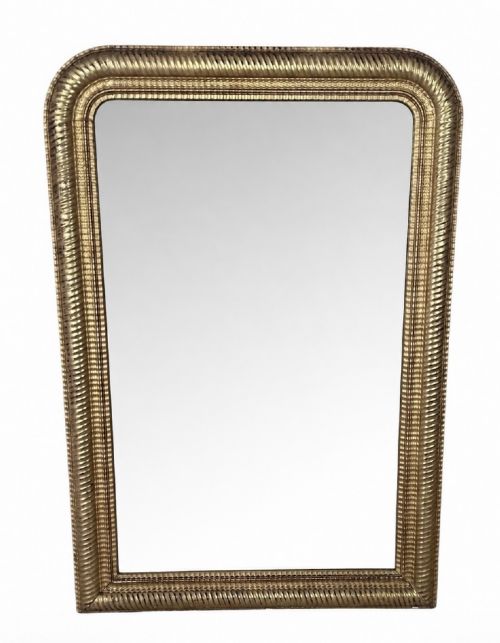
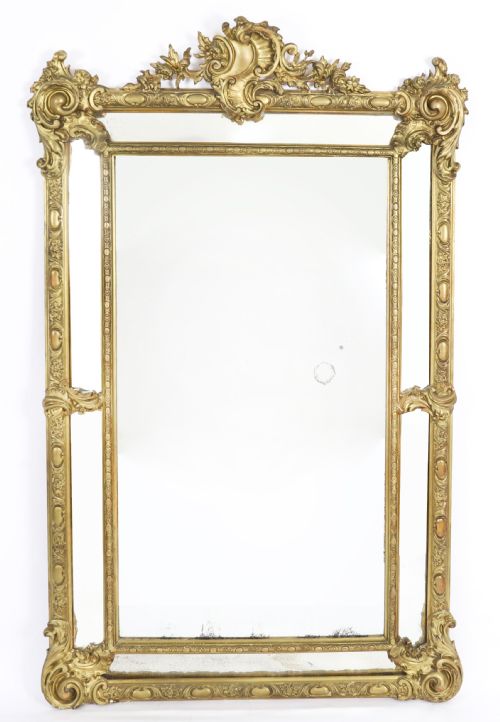
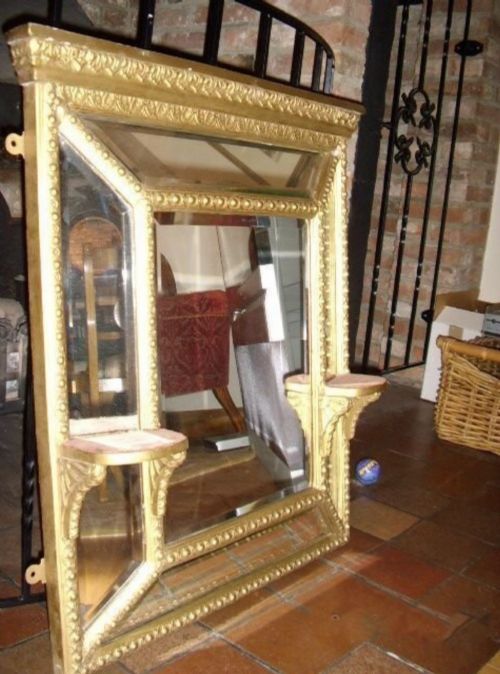
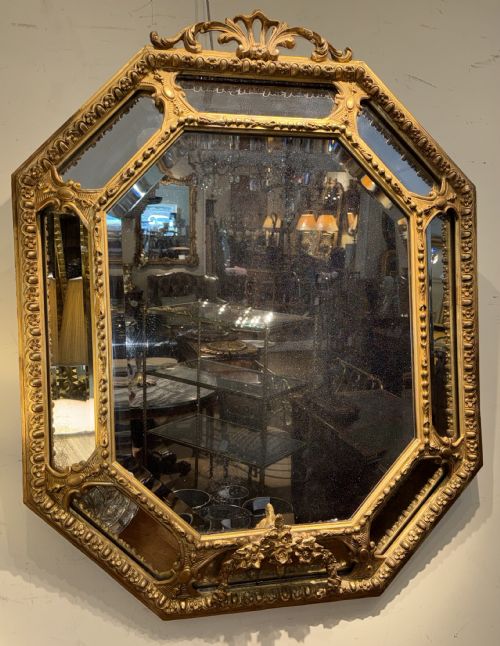
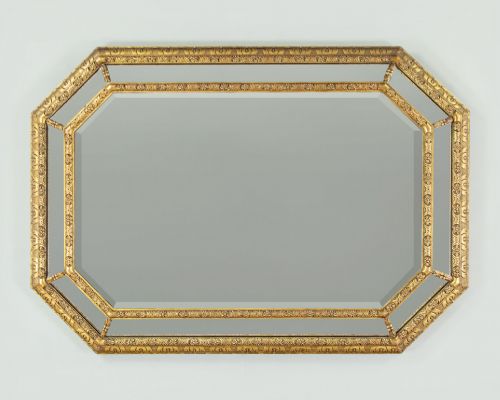
The term antique french cushion applies equally to decorative soft furnishings and to carved wooden mirrors built with a distinctive outward-sloping profile. Textile examples feature antique silk, wool, and heavy tapestry weaves originating from historic centres like Aubusson. Mirror variations showcase prominent giltwood, gesso, or carved oak frames that slope inward toward the glass plate.
Most items meeting this description date from the nineteenth century, encompassing periods from the Regency and Louis Philippe eras through the late Victorian years. These pieces served both functional and decorative roles within formal salons and intimate boudoirs alike. Textile versions often utilise centuries-old linen backs combined with feather inners, while mirror frames vary from simple pressed brass to elaborate carved baroque designs.
How they were made
Makers constructed the distinctive frames of these mirrors using carved wood and applied gesso, finishing the surfaces with gold leaf, silver leaf, or specialised painted treatments. Artisans shaped intricate details such as rope twist borders and ripple mouldings directly into the timber or the plaster layers.
Textile elements rely on traditional hand-woven techniques, utilising wool, silk, and cotton threads to build dense pictorial scenes. Cushion covers frequently incorporate antique panels paired with supportive feather inners and sturdy linen foundations.
Some nineteenth-century French dogs decided they needed their own bronze representation.
What varies in quality
The standard of craftsmanship shows clearly in the depth and precision of the carved gesso and woodwork on mirror frames, alongside the integrity of the original gilding. Crisp, deeply sculpted floral motifs and undamaged gilt surfaces distinguish superior examples from plain or heavily worn alternatives.
For textile pieces, the fineness of the weave, the preservation of the original silk or wool threads, and the authenticity of the period backing materials determine the overall calibre of the furnishing.
Antoine Louis Barye
The Antique French Cushion Glossary
- Cushion mirror
- A wall mirror featuring a convex, outward-sloping frame that resembles the puffed shape of a cushion. This style gained particular popularity during the nineteenth century in France.
- Aubusson
- A traditional type of tapestry woven in the French town of the same name, frequently utilised for decorative cushion covers. These textiles display intricate floral or pictorial designs.
- Gesso
- A plaster-like mixture applied to wood frames as a base for gilding or painting. Artisans carve fine decorative details directly into this hardened surface.
- Giltwood
- Timber that has been coated with a thin layer of gold leaf. This finish provides a luminous, reflective quality to antique frames.
Antique French Cushion: Frequently Asked Questions
How do I care for antique silk cushions?
Historic textiles require gentle handling, protection from direct sunlight, and minimal interference to preserve the delicate fibres. Keeping them away from moisture prevents deterioration of the old silk and wool.
When dealing with pieces containing centuries-old materials, professional cleaning advice should be sought rather than attempting home washing.
Where were Aubusson cushions made?
Aubusson cushions originate from the historic tapestry-making region of Aubusson in France. These covers utilise traditional weaving methods established over centuries.
They bring distinct historical texture and intricate pictorial designs to interior spaces.
How do I distinguish nineteenth century frames?
Nineteenth-century frames display traditional construction methods such as hand-carved gesso over timber foundations. Examining the backing, joinery, and the wear of the gilding helps reveal the age of the piece.
Original mercury glass plates or early bevelled glass often accompany authentic period examples.