




Antique Floral Cushion
When you search for antique floral cushion, you uncover tactile fragments of history shaped from wool, silk, and tapestry.

Antique Floral Cushion
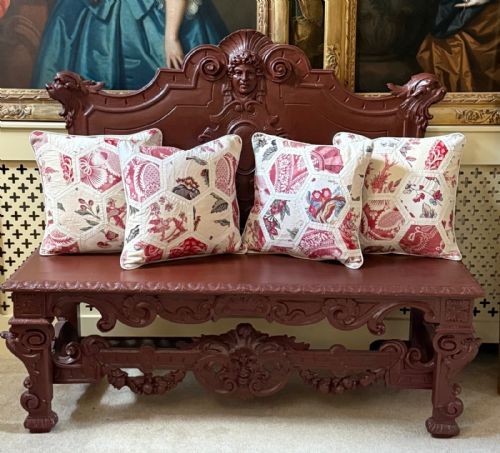
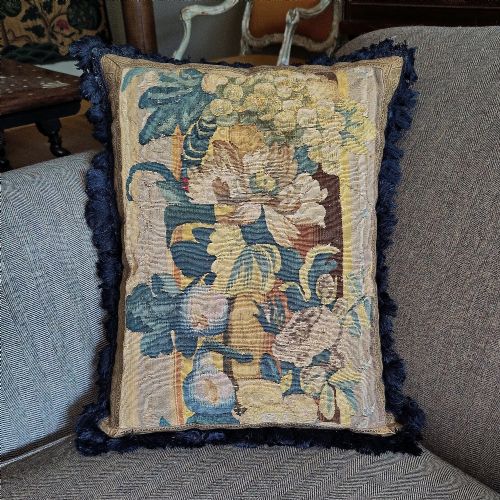
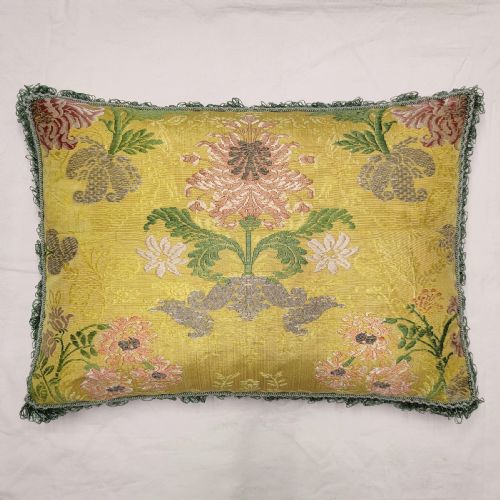
An antique floral cushion encompasses decorative textile pieces and furnishings fashioned from historical fragments, including 17th century Flemish tapestry borders, French silk, and Aubusson weaves. These items bridge historical textiles and domestic comfort, drawing on periods from the 17th century through the Edwardian era.
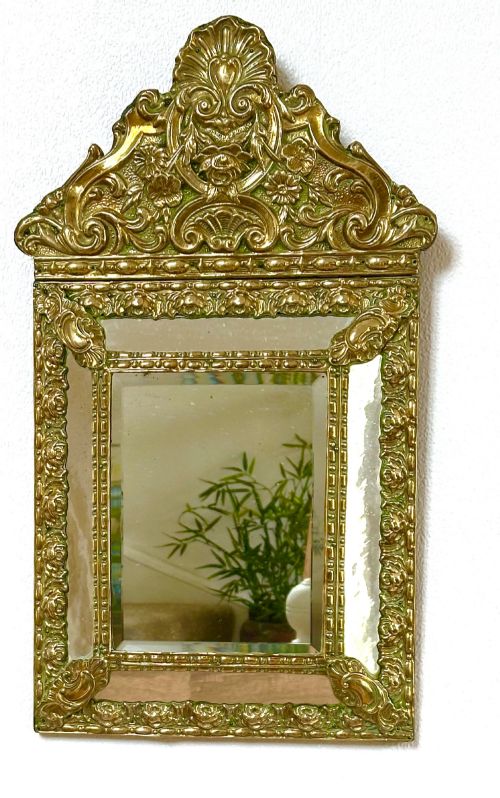
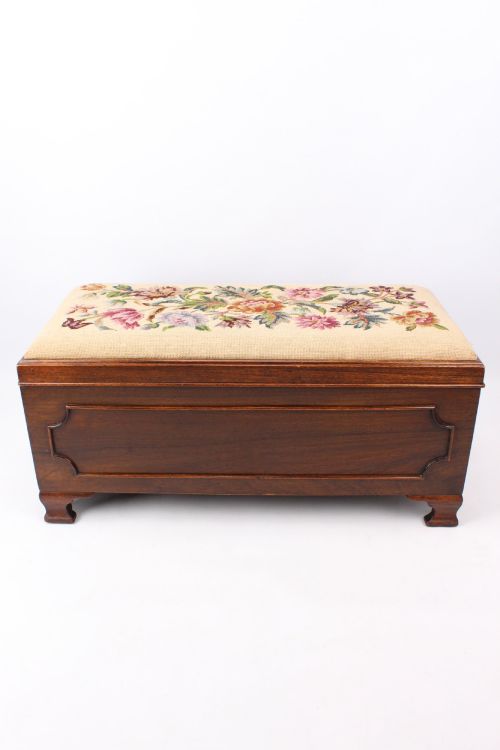
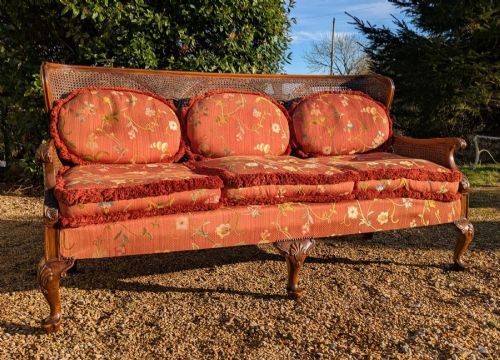
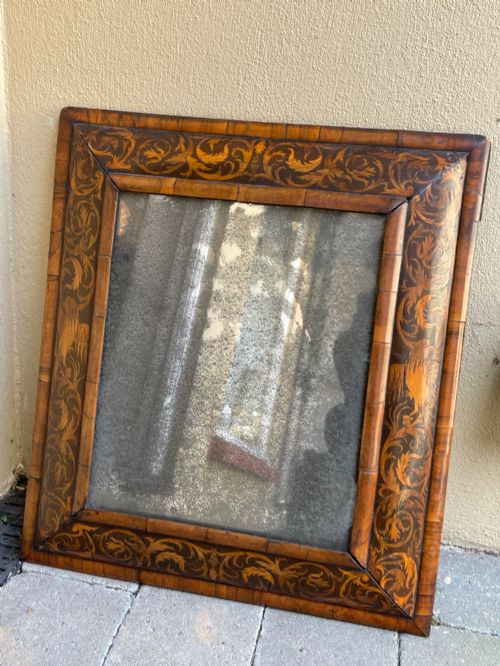
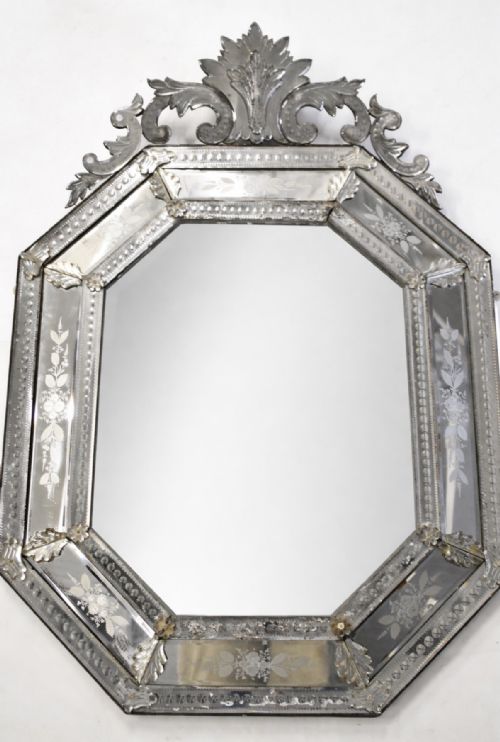
Buyers frequently encounter soft furnishings created from repurposed antique panels, alongside related decorative objects incorporating cushion-moulded frames such as Venetian and Regency wall mirrors. The selection ranges from dedicated needlework cushions to upholstered ottomans and sofas featuring feather fillings.
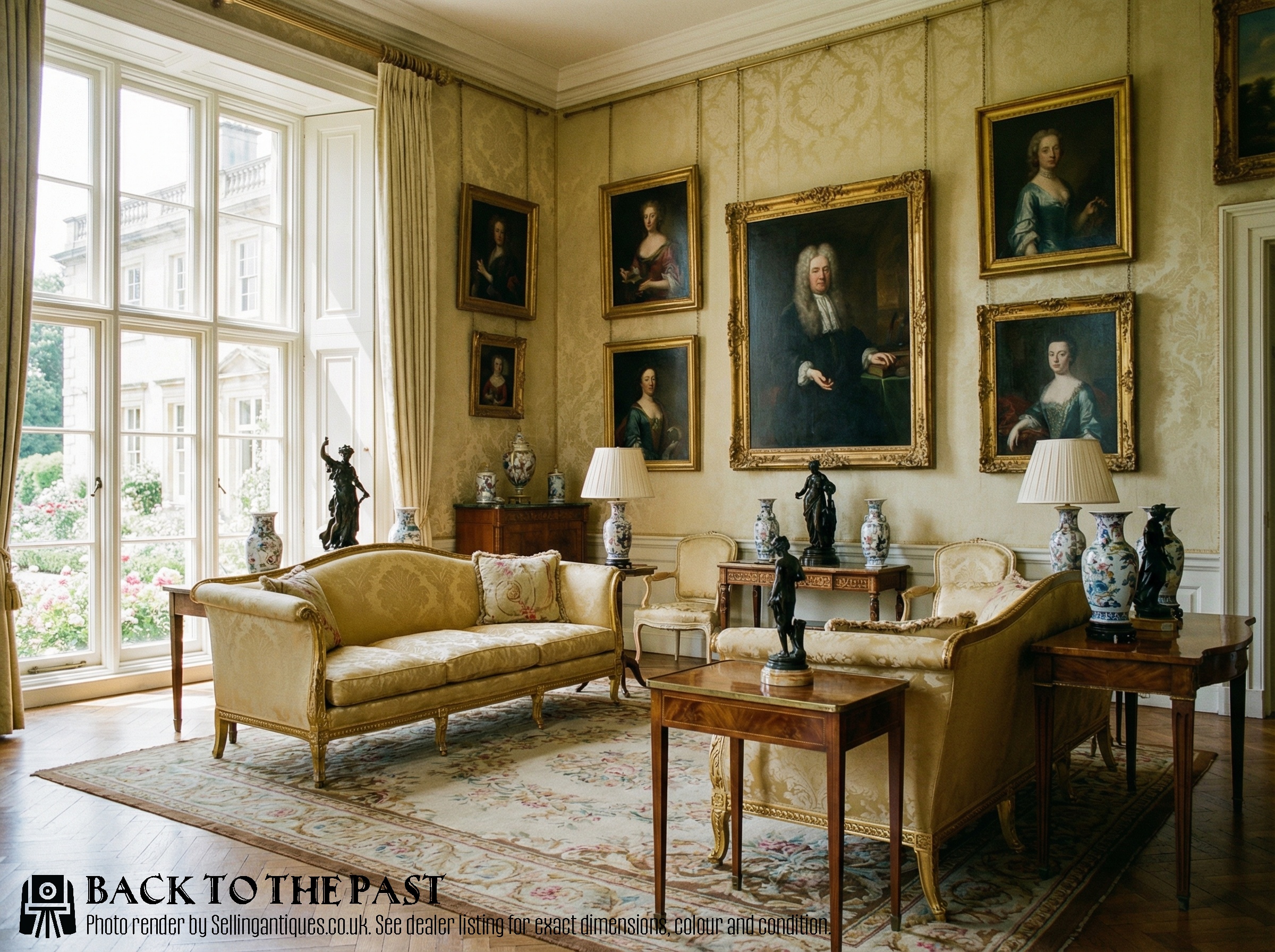
How they were made
Craftsmen utilised durable natural fibres such as wool, silk, cotton, and linen to construct these textiles, often employing traditional needlepoint and tapestry weaving techniques. Frames and structural elements incorporated walnut, mahogany, and brass.
Many textile pieces combine historical woven panels with supporting materials like Belgian linen backs. Woodworking techniques such as marquetry inlay appear on related frames and mirrors.
Periods represented on this page range from the 17th century through to the 1930s.
What varies in quality
Quality rests upon the age and integrity of the source textiles, with woven Aubusson and Flemish tapestry fragments commanding attention for their intricate pictorial detail. The authenticity of period backing materials and the fineness of the needlework differentiate standard examples from finer pieces.
Construction methods also dictate standard, where secondary elements like mahogany frames or embossed brass mirror surrounds display varying levels of joinery and decorative execution.
Howard and Sons
The Antique Floral Cushion Glossary
- Aubusson
- A style of tapestry woven in the French town of Aubusson, noted for floral and pastoral designs often utilised in cushions.
- Marquetry
- An art form where pieces of wood are applied to a structure to form decorative patterns, seen on William and Mary mirrors.
- Needlepoint
- A type of canvas work embroidery stitched with wool or silk threads, frequently found on historical cushion seats.
- Tapestry
- A form of textile art woven on a loom, incorporating historical pictorial scenes and floral borders from the 16th and 17th centuries.
Antique Floral Cushion: Frequently Asked Questions
What periods do these cushions come from?
The pieces span multiple centuries, with textiles originating from the 17th century onwards alongside later Victorian and Edwardian adaptations.
Craftsmen often repurposed earlier tapestries into soft furnishings during subsequent decades.
How should I care for antique silk and wool?
Historical textiles require gentle handling to protect fragile natural fibres like silk, wool, and linen from excessive wear.
Keep them away from direct sunlight to preserve the original colours of the floral designs.
Are the cushion inners original?
Many listings combine older decorative covers with new feather inners to ensure the piece functions practically for modern interiors.
Original fabric components are typically preserved on the exterior surfaces.