






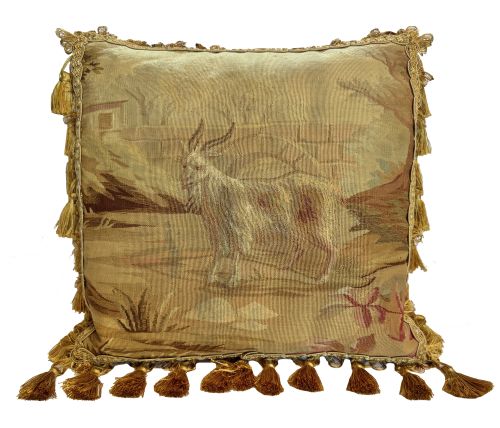

Vintage Wool Tapestry Cushion
A vintage wool tapestry cushion brings historic textile fragments into modern interiors, offering authentic texture and traditional craftsmanship.

Vintage Wool Tapestry Cushion
When you search for a vintage wool tapestry cushion, you are looking at decorative textiles that incorporate historic woven panels into home furnishings. These pieces transform older needlework and fragments into usable cushions for domestic spaces.
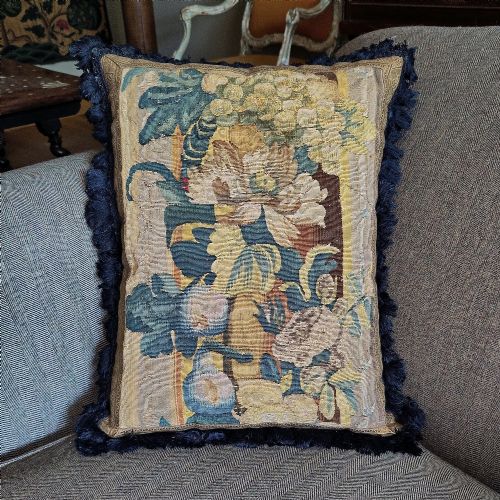
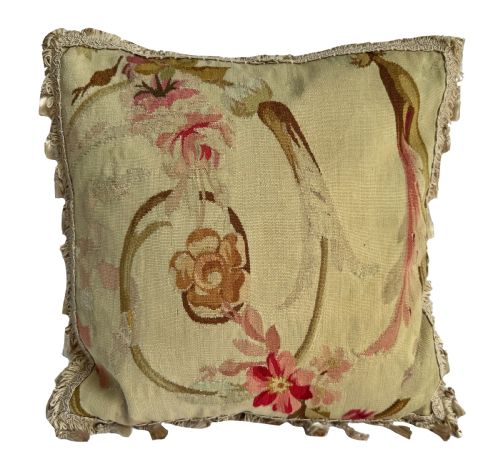
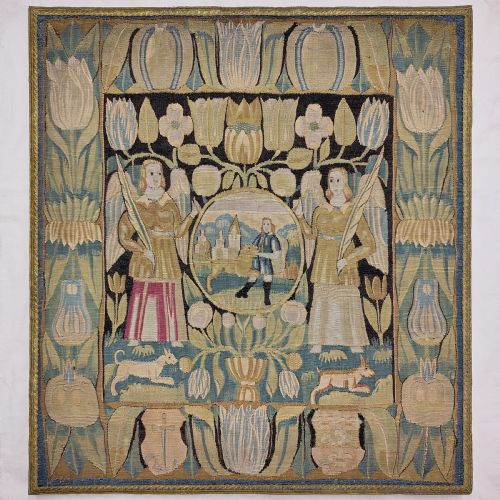
The versions you are most likely to meet on this page originate from nineteenth century France, particularly featuring Aubusson weaving styles. Others draw upon seventeenth century Flemish tapestry borders and fragments.
Beyond French and Flemish pieces, listings include tribal formats such as Anatolian kilims and Turkmen chuvals with wool backs. These varied origins mean cushions combine structured tapestry faces with supportive textile construction.
How they were made
The primary material visible across these pieces is wool, frequently combined with silk, cotton and linen. These textiles rely on traditional weaving methods that produce dense, pictorial surfaces.
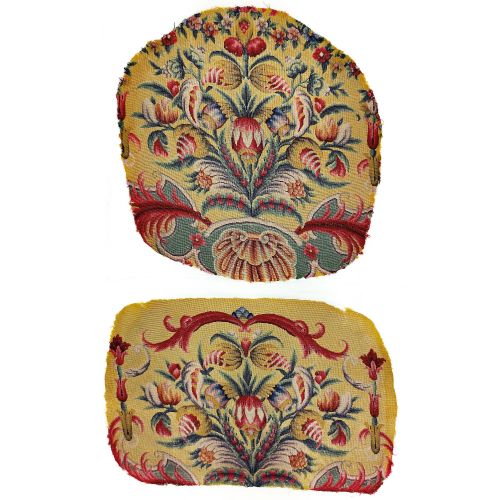
Many items utilise fragments from larger wall hangings or antique carpets, mounted onto fabric backings and edged with passementerie trim. This technique preserves older needlework by repurposing surviving sections into cushions.
Vintage Wool Tapestry Cushion Retail Price Guide 2026
Typical asking prices for vintage wool tapestry cushion among the pieces listed under this phrase on Sellingantiques today, from the lower quarter to the upper quarter. They describe what is for sale here now, not the wider market.
Some cushions come complete with their original wool backs, having started life as tribal Chuvals before settling down on a sofa.
What varies in quality
Quality rests primarily on the age and origin of the textile fragment used on the face. Pieces incorporating seventeenth century Flemish borders or mid nineteenth century Aubusson panels demonstrate superior artistic execution compared to later interpretations.
The integrity of the underlying materials also shapes the piece. Finer items integrate well preserved wool and silk threads with complementary backing fabrics and period trimmings such as passementerie.
The Vintage Wool Tapestry Cushion Glossary
- Aubusson
- A style of tapestry originating from the French town of Aubusson, known for floral and pictorial designs. These woven panels frequently appear on nineteenth century cushion covers.
- Flemish tapestry
- A style of heavy pictorial weaving from Flanders dating to earlier periods such as the seventeenth century. Fragments of these borders are often repurposed into decorative cushions.
- Kilim
- A flatwoven carpet or rug from regions such as Anatolia. These wool textiles are sometimes adapted into cushions.
- Chuval
- A large tribal bag face produced by Turkmen weavers, often utilised as a decorative textile or cushion. They display traditional tribal motifs in wool.
- Passementerie
- Elaborate trimmings, edgings or tassels used to finish the borders of cushions and upholstery. These decorative elements frame the central tapestry panels.
Vintage Wool Tapestry Cushion: Frequently Asked Questions
What is a vintage wool tapestry cushion?
A vintage wool tapestry cushion is a decorative home accessory made by repurposing historic woven textiles, such as French Aubusson panels or Flemish tapestry fragments, into usable cushion covers.
These items combine older needlework with supportive materials to create functional items for interior display.
Where do the tapestry fragments come from?
The fragments originate from various historical textile traditions, including seventeenth century Flemish workshops and nineteenth century French weaving centres.
Other examples draw upon Anatolian and Turkmen tribal traditions, utilising kilims and chuvals as cushion faces.
How should I care for a tapestry cushion?
These antique textiles require gentle handling and protection from direct sunlight to preserve the natural wool and silk fibres.
Spot cleaning by a specialist familiar with historic textiles is recommended rather than immersion washing.
Are these cushions made from original antique textiles?
The listings on this page incorporate period materials dating from the seventeenth through to the nineteenth century, including woven wool, silk, and cotton.
These older panels and fragments are mounted and finished to create decorative cushions suitable for modern interiors.