




Antique Woven Pillow
These antique woven pillow examples bring texture and nomadic history directly into a room, offering tactile warmth derived from old tribal textiles.

Antique Woven Pillow
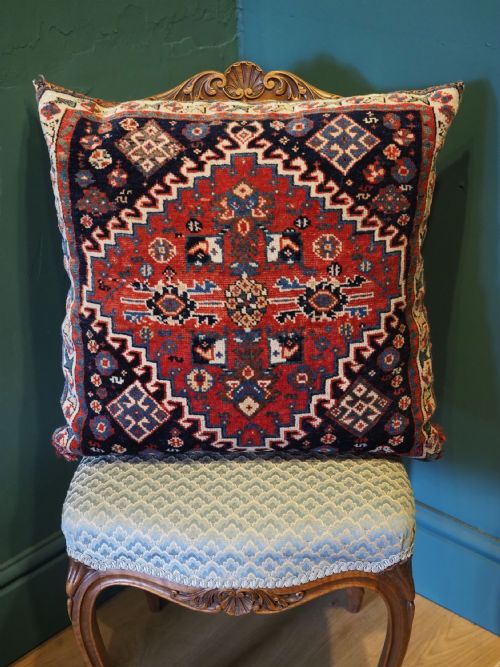
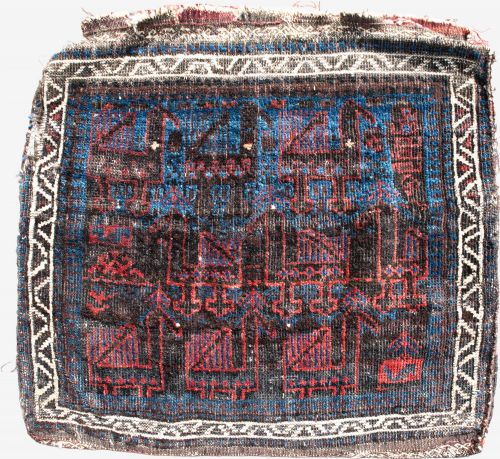
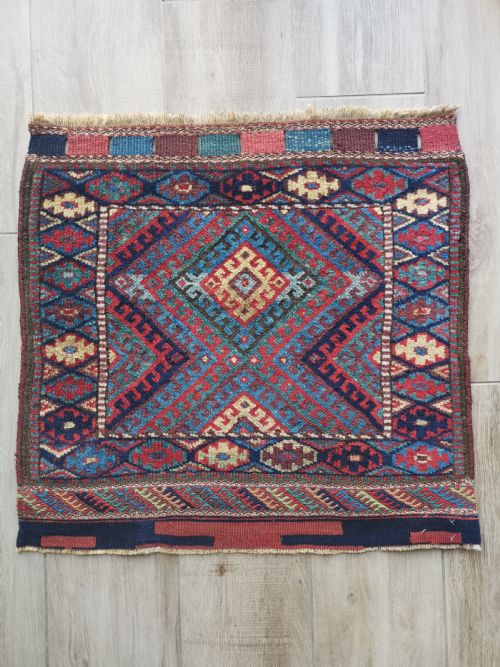
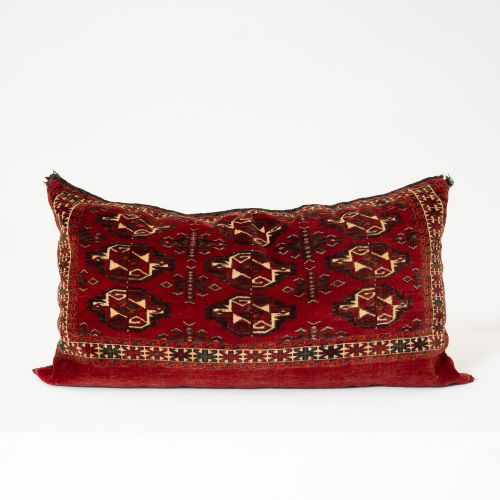
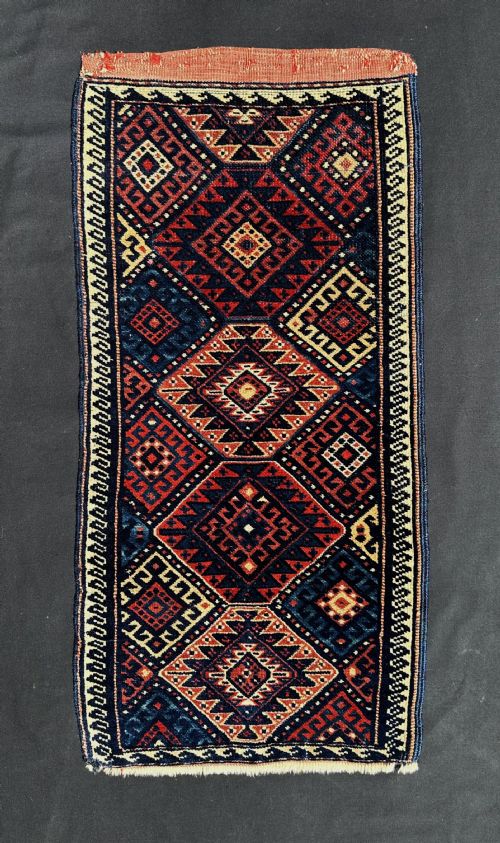
When searching for an antique woven pillow, buyers encounter repurposed utilitarian objects such as tribal bag faces, saddlebags, and storage sacks alongside European tapestry fragments and silk cushions. The majority of pieces on this page originate from tribal traditions including Persian, Anatolian, Turkmen, and Baluch groups, transformed into cushions from items like torbas, chuvals, and balishts.
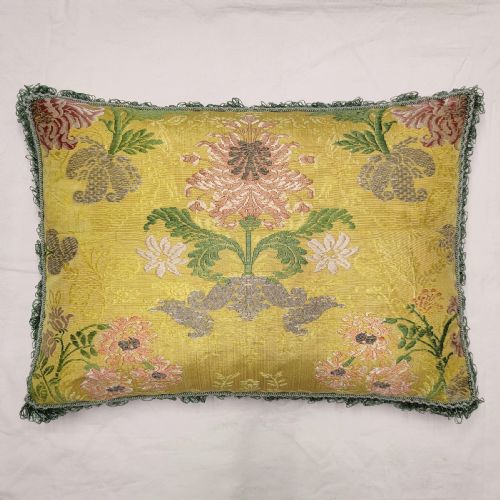
Makers fashioned these textiles in the nineteenth and early twentieth centuries, though occasional seventeenth-century French tapestry covers and eighteenth-century French silk pieces appear. These items represent nomadic and village handiwork, utilising traditional pile and flatweave techniques that served practical storage functions before later conversion into soft furnishings.
The format ranges from square formats measuring around fifty centimetres to elongated bag-faces and half-saddlebags. Each piece retains the distinct tribal motifs of its region of origin, providing an authentic slice of textile history for domestic interiors.
How they were made
Weavers utilised hand-spun wool, cotton, silk, and linen as the primary foundational materials for these textiles, often combining them with fabric fringes and tassels. Natural dyes provided the deep chromatic range seen across Persian and Turkmen pieces.
The construction relies on traditional flatweave and pile techniques, executed on portable vertical or horizontal looms by nomadic and village makers. Artisans produced durable storage containers like torbas and chuvals using dense knotting or flatweaving, which later provided robust panels for cushion covers.
Several storage bags retain their original plain weave backs, proving that some nomadic gear went straight from carrying grain to gracing a sofa.
What varies in quality
Quality rests in the fineness of the weave, the clarity and complexity of the tribal motifs, and the depth achieved by natural dyes. Pieces exhibiting tight knotting and precise geometric or medallion layouts demonstrate superior textile mastery by the original weaver.
The integrity of the surviving textile structure and the retention of original plain weave backs or tassels distinguish exceptional specimens from heavily altered fragments. Superior examples maintain vibrant, lightfast colours derived from traditional dyeing methods rather than harsh chemical agents.
The Antique Woven Pillow Glossary
- Torba
- A small Turkmen storage bag used for domestic goods inside a yurt or tent. These faces frequently measure wider than they are tall.
- Chuval
- A large Turkmen tent bag designed for bedding and heavier storage. They often feature multiple guls arranged in strict rows.
- Gul
- A medallion motif repeated across Turkmen and Central Asian tribal carpets and bag faces. Each design typically identifies a specific tribe or clan.
- Balisht
- A traditional tribal pillow or small sleeping bag face. These rectangular textiles originate frequently from Baluch and Khorassan regions.
- Flatweave
- A textile constructed without pile by interlacing warp and weft threads directly. Examples include kilims and banded flatweaves used for storage sacks.
Antique Woven Pillow: Frequently Asked Questions
What is an antique woven pillow made from?
These pieces utilise natural materials such as hand-spun wool, cotton, silk, and linen. Artisans applied natural dyes to colour the fibres before weaving them on traditional looms.
Many examples incorporate fabric fringes and tassels, whilst structural backs often consist of plain weave wool or cotton added during conversion into cushions.
How were these tribal bags originally used?
Nomadic and village communities used these textiles as functional storage containers for household possessions, grain, and bedding inside tents. Bag faces like torbas, chuvals, and saddlebags held portable property during seasonal migrations.
Later, these durable woven panels were converted into cushions and soft furnishings for domestic display and daily comfort.
How do I care for an antique textile cushion?
Protect the fabric by keeping it away from direct, strong sunlight to prevent natural dyes from fading over time. Gentle surface dusting or professional textile cleaning preserves the fragile wool and silk fibres.
Avoid heavy friction and excessive handling to maintain the integrity of the original pile and flatweave structures.
How can I tell different tribal designs apart?
Tribal designs are distinguished by specific geometric vocabularies, border arrangements, and structural formats associated with particular regions. Turkmen pieces frequently display repeating guls, while Baluch and Qashqai works exhibit distinct field patterns and animal or bird motifs.
Geographic origins such as Khorassan, Fars, or Azerbaijan dictate the traditional palette and structural quirks of each textile.