







French Chateau Cushion
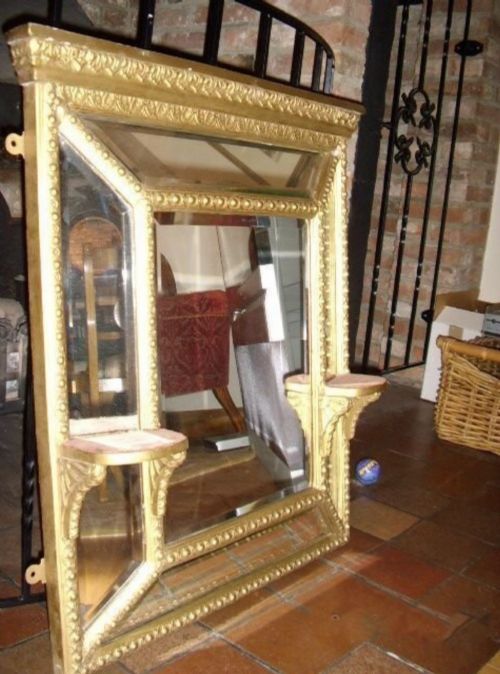
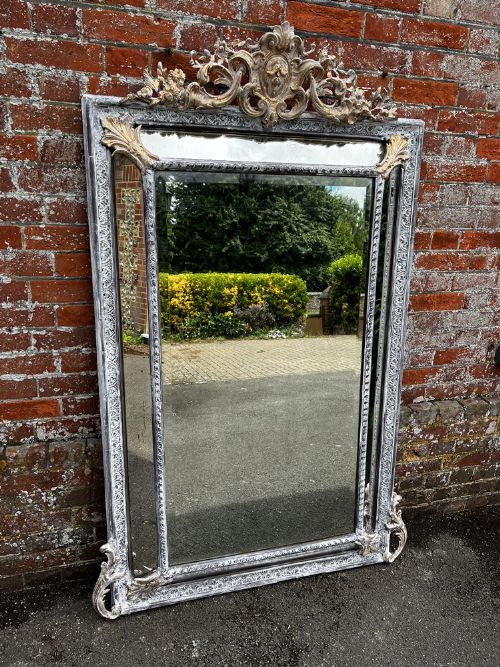
These french chateau cushion pieces blend soft textiles with deep-set cushion mirror frames for a grand interior look.
French Chateau Cushion
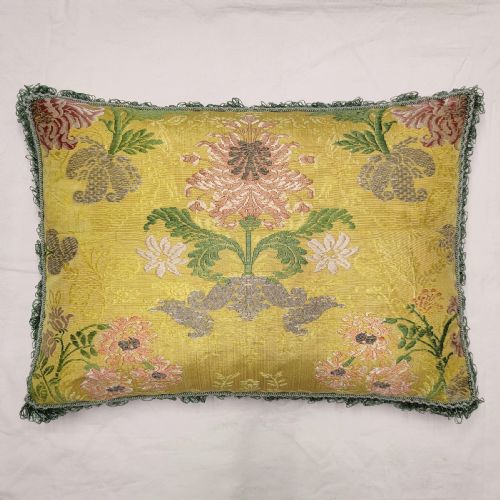
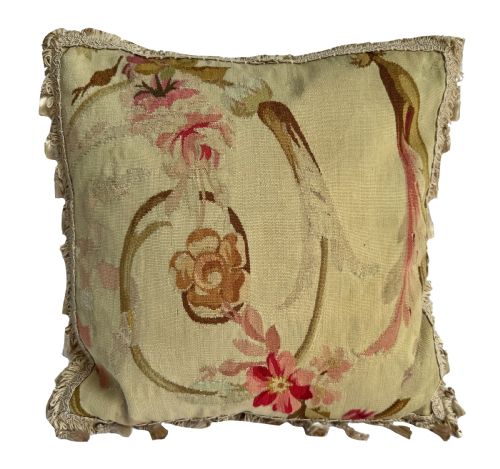
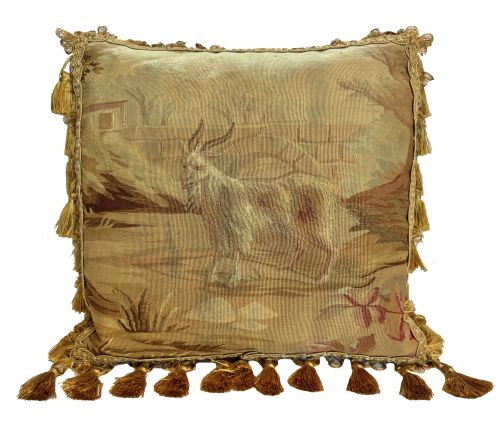
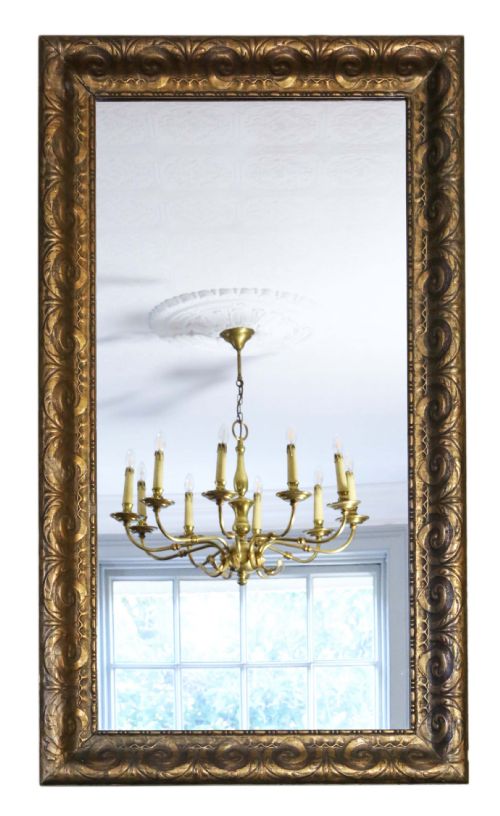
The term french chateau cushion covers both actual antique textile cushions and distinctively deep-set cushion framed mirrors originating from continental traditions. You are looking at pieces that range from seventeenth century tapestry covers to nineteenth century giltwood looking glasses.
The textile examples on this page consist of eighteenth and nineteenth century silk and wool pieces, including Aubusson weaves. Alternatively, the mirror variants present heavily moulded frames designed to project from the wall in the manner of a plush cushion.

Materials and Construction
Makers utilised carved wood, gesso, and giltwood to build the three-dimensional profile characteristic of these cushion frames. Paint and distressed finishes often overlay the carved timber structure.
Textile pieces rely on woven silk, wool, and tapestry techniques executed by hand. Glass components feature bevel cuts set into the deep wooden surrounds.
Some mirrors are so deeply puffed they look ready to catch a nap.
Factors of Quality
Quality rests in the depth and clarity of the hand-carved ornamentation on the wooden frames and the preservation of the original gesso and paint. Crisp detail in the moulding separates finer examples from simpler work.
For textile elements, the fineness of the Aubusson or silk weave and the integrity of the historical fabric dictate the standing of the piece. Substantial scale and original bevelling in the glass further distinguish superior examples.
The French Chateau Cushion Glossary
- Cushion mirror
- A wall mirror featuring a convex or deeply bevelled frame that swells outward like a cushion. This style gained prominence during the seventeenth and nineteenth centuries.
- Giltwood
- Timber coated with a thin layer of gold leaf or gesso and gold paint. It provides a reflective surface that catches natural light in period interiors.
- Gesso
- A plaster-like mixture applied to carved wood to create a smooth base for gilding and painting. It allows intricate relief work on frame borders.
French Chateau Cushion: Frequently Asked Questions
What is a french chateau cushion mirror?
It is a wall mirror built with a deeply rounded or sloping frame that resembles a plush cushion. These frames are usually fashioned from carved wood and gesso.
They project further from the wall than flat mirrors, creating a strong sculptural presence in a room.
How do I care for antique silk cushions?
These delicate textile pieces require protection from direct sunlight to prevent the silk and wool fibres from fading and weakening over time. Keep them in stable atmospheric conditions away from excessive moisture.
Gentle surface dusting is generally sufficient for maintenance, avoiding harsh cleaning methods.
What periods do these pieces date from?
The selection spans from the seventeenth century through the nineteenth century and into the early twentieth century. Common periods include the Victorian era and various French revival styles.
Construction details and materials like carved wood or Aubusson tapestry help anchor each piece in its specific era.
Where should I hang a cushion mirror?
These mirrors work well as focal points above mantelpieces or in principal reception rooms where their dimensional frames can be appreciated. Their generous scale allows them to reflect significant light across a space.
Ensure the wall fixings are sturdy enough to support the substantial weight of carved wood and glass.