


Floral Tapestry Cushion
These floral tapestry cushion examples bring centuries of textile artistry into a room, offering tactile historical depth and colour.
Floral Tapestry Cushion
A floral tapestry cushion combines historic textile fragments with soft furnishings, ranging from French Chateau styles to Victorian pieces. When you search for a floral tapestry cushion, you encounter items made from antique wall art panels, cushion covers, and needlework seats.
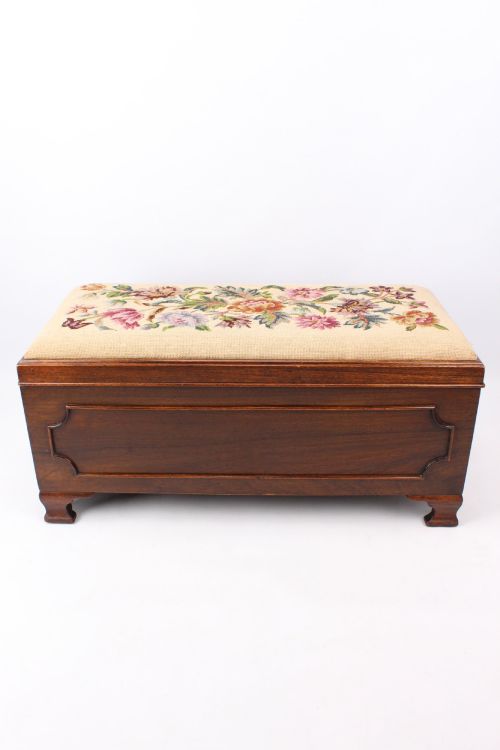
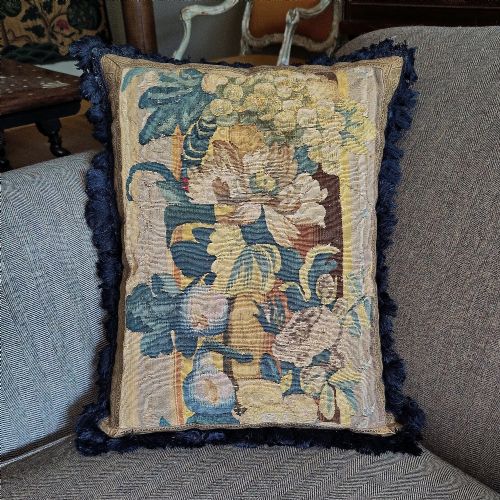
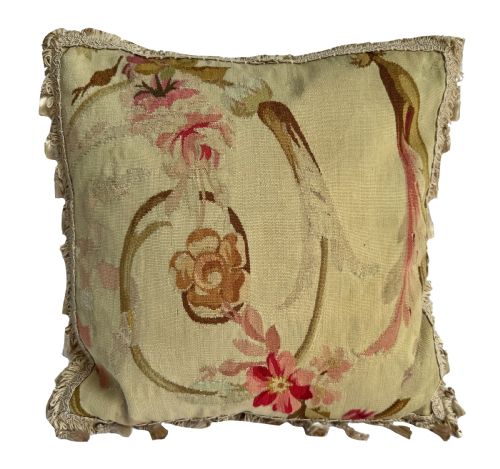
The pieces appearing on this page span several centuries, including 16th century North German work, 17th century Flemish borders, and 1860 Aubusson productions. Forms vary from dedicated cushions and cushion covers to mahogany ottomans featuring needlework seats.
Makers of these textiles utilised classical iconography, Baroque motifs, and French Rococo aesthetics to decorate domestic interiors. Collectors select these items to introduce Renaissance and French Country character into modern spaces.
Materials and construction
The visible surfaces rely upon woven textiles combining wool, silk, and cotton threads to render dense floral and figurative designs. Older examples depend on hand-woven tapestry techniques developed in European workshops during the sixteenth and seventeenth centuries.
Supporting structures incorporate timber elements such as mahogany and general wood frames, particularly when the textile forms the seat of an ottoman. Glass elements occasionally appear alongside textile art and wall art contexts associated with these furnishings.
Materials documented across these items include wool, silk, cotton, mahogany, and glass.
Separating the ordinary from the exceptional
Quality in a floral tapestry cushion rests upon the age and survival of the woven textile fragment itself. Pieces utilising sixteenth or seventeenth century Flemish and North German panels demonstrate superior artistic density compared to later nineteenth century reproductions.
The integration of the textile with its support structure also determines the grade of the piece. A cushion constructed from a genuine period tapestry border holds greater historic interest than standard decorative soft furnishings.
The Floral Tapestry Cushion Glossary
- Aubusson
- A town in France renowned for producing woven tapestries and carpets. Aubusson cushions utilise these famous textile panels.
- Flemish tapestry
- Woven wall hangings originating from the Flanders region. Seventeenth century Flemish examples often feature elaborate floral borders repurposed into cushions.
- Needlework
- Stitched ornamentation applied to a canvas or fabric ground. Needlework seats provide a textured alternative to woven pile carpets.
- Ottoman
- A low upholstered seat or footstool without a back or arms. Some examples feature historic textile panels fitted directly to the wooden frame.
- Baroque
- An artistic style characterised by ornate detail and dramatic flair. Baroque floral tapestry designs reflect the opulent tastes of the seventeenth century.
Floral Tapestry Cushion: Frequently Asked Questions
How do I care for an antique textile cushion?
Keep historic textile cushions away from direct sunlight to protect wool and silk threads from fading. Gentle surface cleaning preserves the delicate weave of early tapestry fragments.
Avoid excessive handling or heavy sitting pressure if the textile dates to the sixteenth or seventeenth century. Professional textile conservation methods should be consulted for significant repairs.
Are these cushions made from original historic fragments?
Many cushions incorporate genuine historical elements, such as seventeenth century Flemish borders or nineteenth century Aubusson panels. These fragments are carefully adapted into cushion covers or fitted to mahogany ottoman frames.
Examining the weave density and material composition helps distinguish period textile art from modern reproductions. Wool, silk, and cotton threads show distinct ageing characteristics over the centuries.
What interior styles suit a tapestry cushion?
These decorative pieces complement French Country, French Chateau, and Victorian interior schemes. The rich floral patterns introduce warmth and historical texture to neutral seating.
Pairing a seventeenth century or eighteenth century cushion with antique wooden furniture enhances the traditional aesthetic of a room. They function equally well as standalone accent pieces on modern sofas.
How are different periods of tapestry distinguished?
Sixteenth and seventeenth century pieces often display denser weaving techniques and North German or Flemish design influences. Colour palettes and botanical motifs evolved significantly between the Renaissance and the later Victorian era.
Aubusson examples from the nineteenth century typically feature distinct French Rococo floral arrangements. Comparing the specific textile materials and stylistic motifs clarifies the date of origin.