




Wool Tapestry Pillow
A wool tapestry pillow brings centuries of woven texture into a room, offering tactile warmth and historic charm.
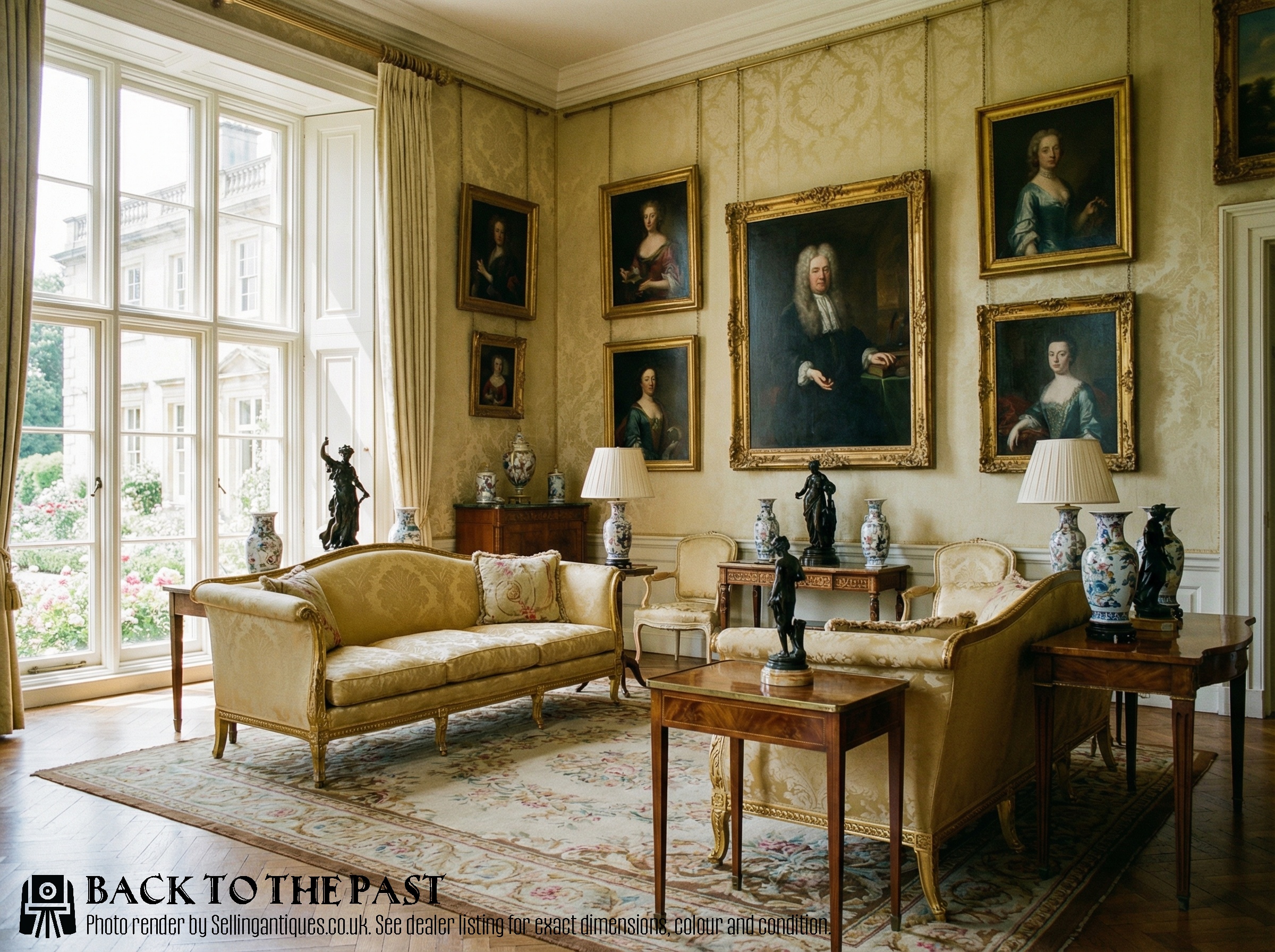
Wool Tapestry Pillow
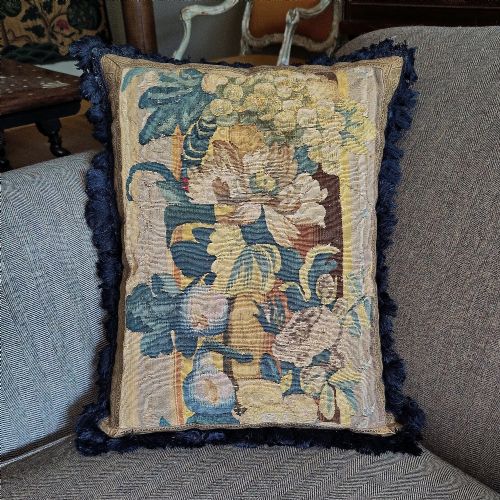
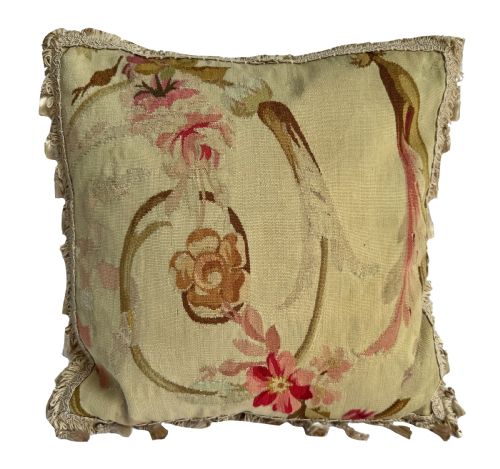
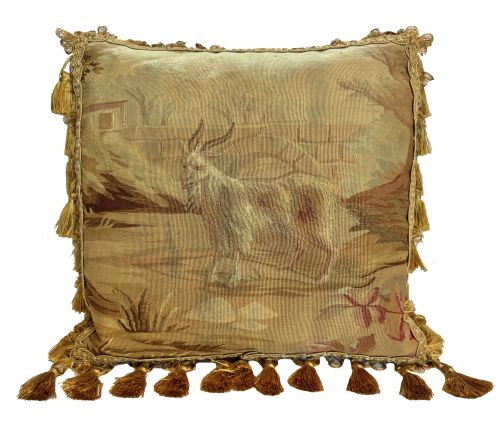
A wool tapestry pillow unites historic fragments with soft furnishings, turning antique textile art into decorative cushions for modern interiors. These items range from French Aubusson weaves and 17th century Flemish border fragments to Scandinavian embroidery and Anatolian tribal flatweaves.
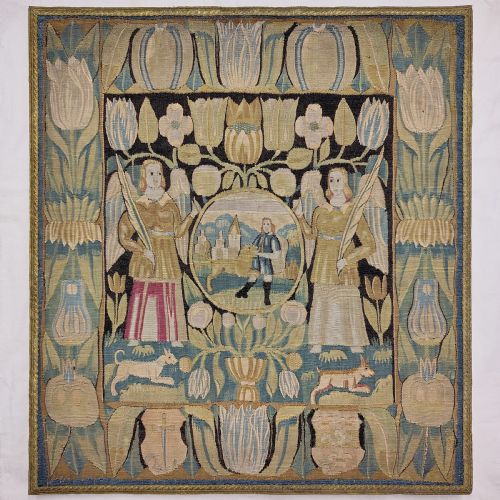
Buyers encountering this wool tapestry pillow selection will frequently find items fashioned from older textile remnants, including 17th century tapestry cushion covers and 19th century French examples. These pieces repurpose antique panels into usable soft furnishings.
The assortment spans diverse aesthetic traditions, taking in Baroque motifs, French Chateau styles, and Scandinavian Folk Art. Each cushion brings distinct cultural and period character to domestic spaces.
Materials and construction methods
Makers construct these cushions primarily using wool, often combined with silk, cotton, and linen threads to build intricate pictorial or geometric designs. Many incorporate traditional weaving techniques preserved from earlier centuries.
Finishing touches frequently involve passementerie or passementerie trim work, framing the woven panels with decorative borders. The underlying structure often relies on sturdy backing materials to support the antique textiles.
Regional styles represented include French Chateau, Scandinavian Folk Art, and Anatolian traditional flatweaves.
Assessing quality in antique cushions
Quality rests upon the preservation of the original weave and the integrity of the fibres, distinguishing intact historical panels from heavily repaired examples. The fineness of the wool and silk yarn density dictates the clarity of the pictorial details.
The sophistication of the design execution, whether a Flemish border or an Aubusson composition, shapes the visual weight of the cushion. Superior construction respects the age of the textile while ensuring the piece functions effectively as a soft furnishing.
The Wool Tapestry Pillow Glossary
- Aubusson
- A style of tapestry woven in the French town of Aubusson, noted for pastoral and floral designs. These panels frequently form the front surface of decorative cushions.
- Flemish tapestry
- A woven textile originating from Flanders during periods like the seventeenth century, known for dense pictorial scenes. Fragments of these works often supply the fabric for antique cushion covers.
- Passementerie
- Elaborate trimmings, edgings, or tassels used in upholstery and cushion decoration. This term covers the decorative borders sewn around historic textile panels.
- Kilim
- A flatwoven carpet or rug produced in regions such as Anatolia, utilising slit-weave techniques. These durable textiles are frequently repurposed into scatter cushions.
- Chuval
- A traditional Turkmen storage bag woven with geometric motifs, occasionally adapted into cushions. These pieces display distinct tribal patterns from the nineteenth century.
Wool Tapestry Pillow: Frequently Asked Questions
How do I clean a wool tapestry pillow?
Historic textiles require gentle care to protect delicate fibres like wool and silk. Professional textile conservation cleaning is recommended for antique cushion covers.
Surface dust can be carefully removed using low suction through a mesh screen. Avoid washing or wetting the antique panels directly.
Are these cushions made from original antiques?
Many cushions utilise authentic historical fragments, such as seventeenth century tapestry borders or nineteenth century Aubusson panels. These vintage elements are repurposed into functional soft furnishings.
Some pieces incorporate traditional flatweaves and tribal rugs dating back to the eighteen-fifties and eighties. Each item retains the character of its original period materials.
How do I style a tapestry cushion?
These decorative items suit both traditional and contemporary interiors, adding texture and colour to seating areas. Pair them with neutral upholstery to let the historic weave stand out as a focal point.
Mixing different regional styles, such as French floral motifs with Anatolian geometric patterns, creates a layered collected look.
What periods do these cushions represent?
The selection spans several centuries, featuring seventeenth century Flemish and Jacobean fragments alongside nineteenth century French and Scandinavian pieces. Dated examples from the mid-nineteenth century also appear.
Each period brings distinct stylistic traits, from Baroque grandeur to folk art simplicity.