
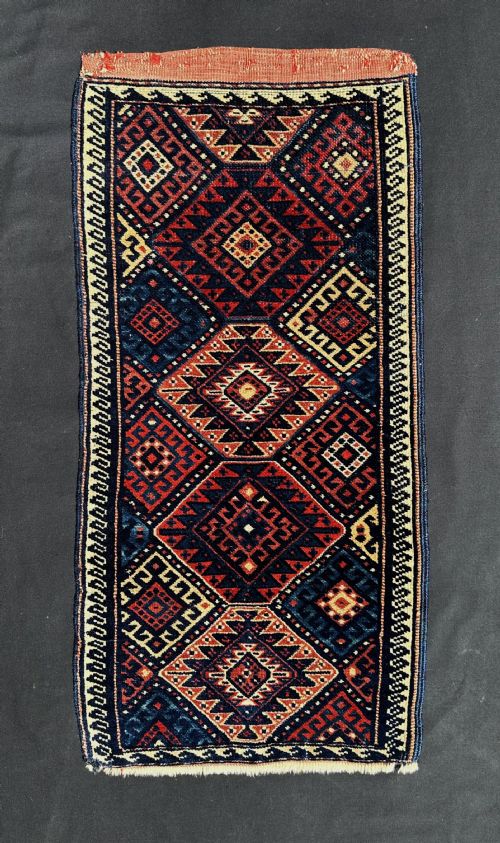


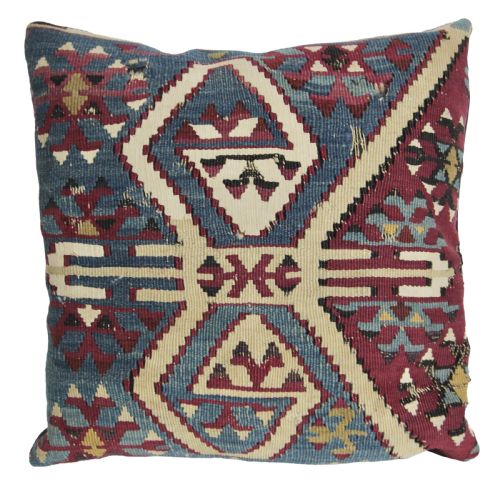

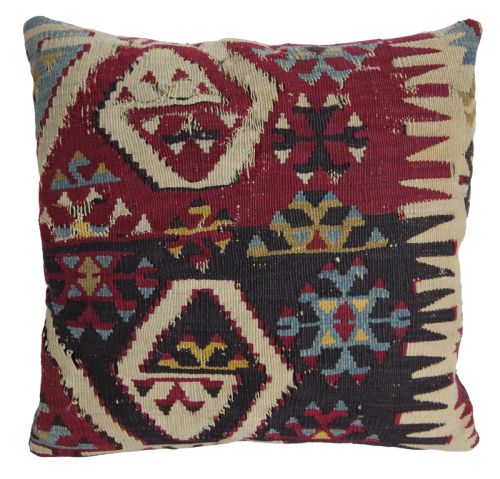
Geometric Tribal Pillow
These geometric tribal pillows are hand-woven cushions adapted from nomadic bags and textiles, offering rich history and tactile warmth to interiors.

Geometric Tribal Pillow
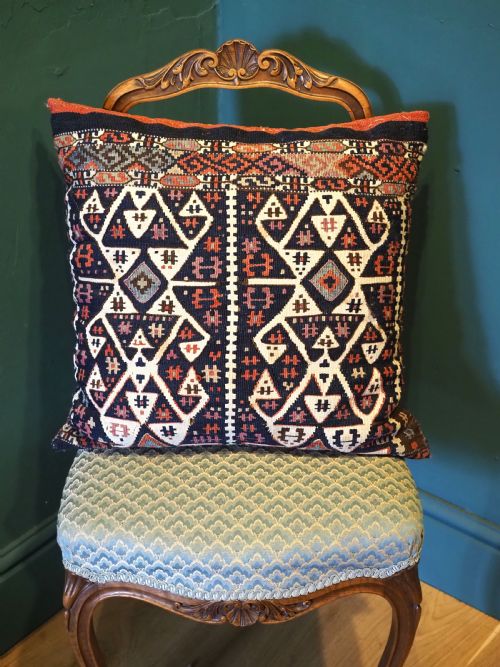
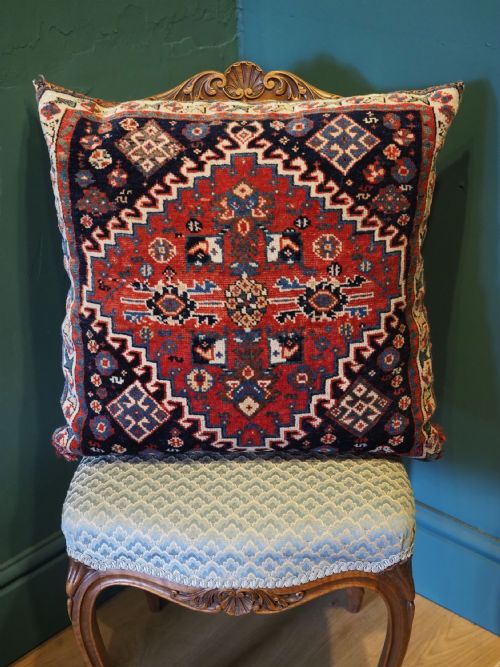
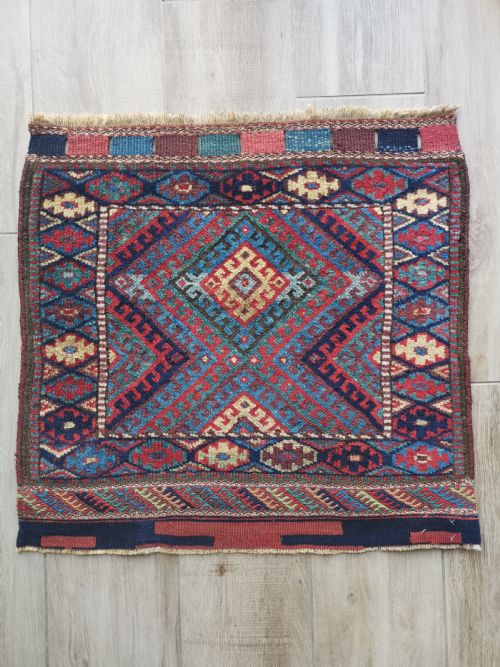
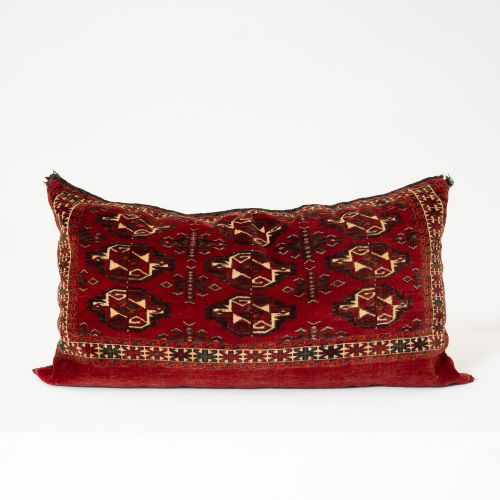
A geometric tribal pillow represents a functional adaptation of antique nomadic textiles, repurposing utilitarian saddlebags, bag-faces, and grain containers into decorative cushions. When buyers search for a geometric tribal pillow, they encounter pieces originating from nineteenth and early twentieth-century tribal groups across Anatolia, Persia, and Central Asia.
The most common forms visible here are kilim cushions and bag-face cushions fashioned from older storage pieces. These items bring distinct regional weaving traditions directly into contemporary domestic spaces through enduring motifs.

Materials and construction methods
The materials rely fundamentally on wool, cotton, and hand-spun wool, yielding a dense, durable surface texture. Weavers utilised natural dyes to achieve deep colour palettes that endure across decades of use.
Construction techniques involve flat-weaving and pile-weaving traditions passed down through nomadic communities such as the Qashqai, Shahsevan, Kurdish, Baluch, and Turkmen tribes.
Many cushions preserve the sturdy flat-weave backs originally designed to rub against the flanks of travelling pack animals.
Evaluating craftsmanship and integrity
Quality rests upon the tightness of the weave and the complexity of the tribal iconography expressed across the surface. Finer examples display meticulous handling of natural dyes, resulting in harmonious colour saturation and crisp geometric lines.
The integrity of the original nomadic textile determines the overall character of the finished cushion. Pieces retaining authentic structural elements from functional bags hold greater historical weight.
The Geometric Tribal Pillow Glossary
- Kilim
- A flat-woven textile produced without a pile, forming the basis for many durable cushions and rugs. This technique creates a smooth, tapestry-like surface.
- Bag-face
- The decorative front panel of a nomadic storage sack, frequently repurposed into a cushion. These panels typically display the most concentrated tribal designs.
- Chuval
- A large tent storage bag made by Turkmen tribes, often translated into substantial cushion formats. They are known for distinct primary guls and geometric layouts.
- Balisht
- A traditional Persian term for a pillow or small sleeping bag, often woven with intricate tribal patterns. Surviving examples provide intimate glimpses into nomadic domestic life.
- Natural Dyes
- Colourants derived from plants, insects, and minerals before the introduction of synthetic alternatives. They produce nuanced tones that age with considerable character.
Geometric Tribal Pillow: Frequently Asked Questions
How were these tribal bags originally used?
Nomadic groups utilised these woven pieces as functional storage sacks for grain, bedding, and personal belongings inside tents.
Saddlebags and storage bags travelled across regions on animals before later being adapted into cushions.
How do I care for an antique cushion?
Gentle treatment preserves the wool fibres and natural dyes of these historic textiles over time. Regular light vacuuming without a rotating brush helps maintain the surface.
Professional textile cleaning is recommended when necessary to protect the structure of the weave.
How do I identify different tribal designs?
Tribal designs vary by region, incorporating specific geometric motifs, border styles, and colour palettes unique to groups like the Qashqai, Baluch, or Kurdish weavers.
Studying the structural characteristics and wool quality helps connect a cushion to its specific provenance.