


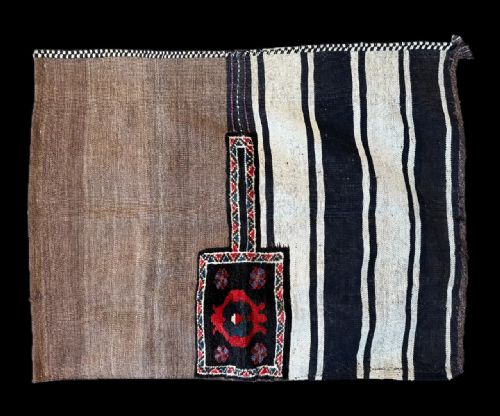
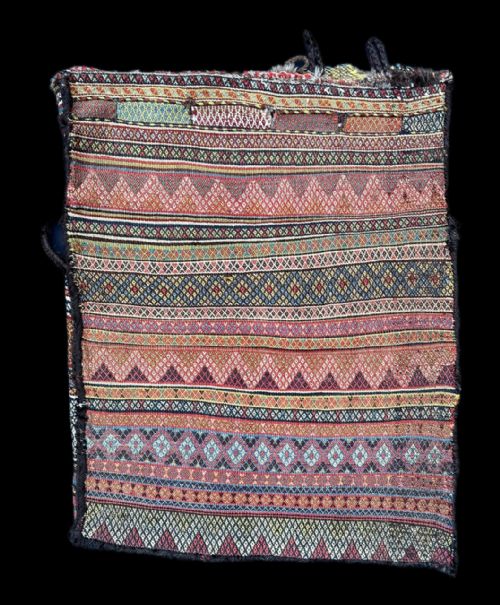

Persian Kilim Cushion
These Persian kilim cushion pieces bring tactile tribal textile history into a modern room, offering rich weave textures and authentic nomadic patterns.

Persian Kilim Cushion
When you search for persian kilim cushion, you encounter woven textiles originating from nomadic and tribal groups across Persia. The items listed span periods from the nineteenth century up to 1920, capturing traditional utilitarian pieces repurposed for modern interiors.
The most common form on this page is the antique bag face cushion, alongside wheat sacks known as tacheh and storage bags. These derive from tribal groups such as the Bakhtiari-Lor, Qashqa'i, Baluch, and Shahsavan.
Makers utilised practical objects created for nomadic life, transforming woven storage faces and saddlebags into soft furnishings. The regional styles reflect distinct Persian tribal weaving traditions through geometric patterns and banded weft work.

How they were made
The materials recorded in the evidence rely primarily on hand-spun wool and natural dyes, sometimes incorporating cotton and goat hair. Artisans constructed these flat-weave textiles on portable horizontal looms set up in camps.
Techniques centre on slit-tapestry weaving, where the weft threads are beaten down tightly to conceal the warp. This creates durable fabric structures designed to withstand the rigours of nomadic storage and transport.
Several cushions began life carrying grain across the mountains as humble wheat sacks before earning a life of leisure.
What varies in quality
Quality rests upon the fineness of the wool preparation and the vibrancy achieved by natural dyeing methods. Pieces retaining their original backs and structural integrity sit at the upper end of the scale.
The precision of the tribal geometric motifs and the tightness of the weave distinguish finer bag faces and storage sacks from standard examples. Depth of colour and the preservation of hand-spun texture heavily influence the character of each piece.
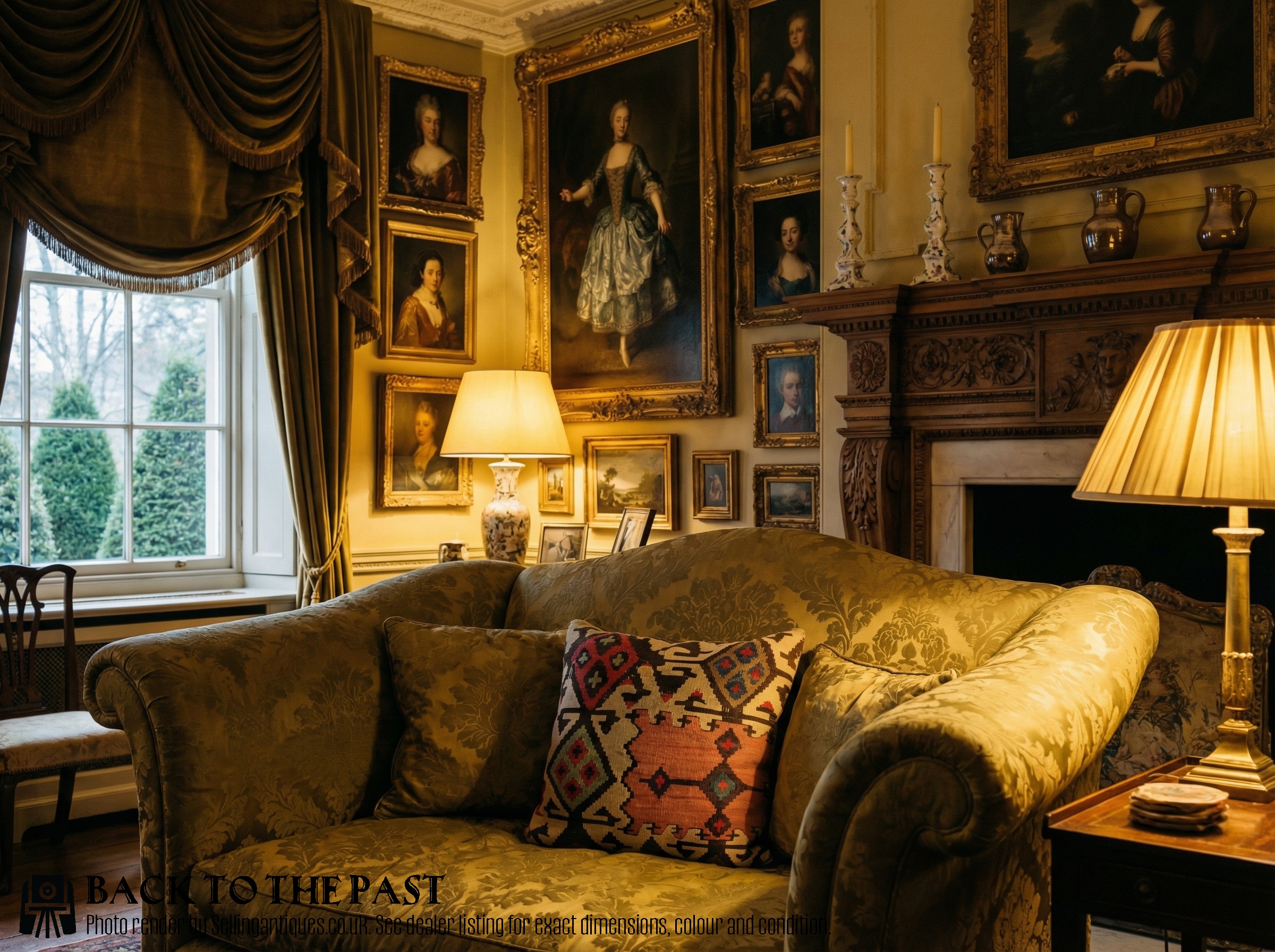
The Persian Kilim Cushion Glossary
- Kilim
- A flat-woven textile produced without a pile by tightly interweaving warp and weft strands. This technique results in a lightweight, durable fabric with identical patterns visible on both sides.
- Tacheh
- A traditional Persian wheat sack or storage bag woven by tribal groups. These utilitarian items frequently feature banded weft work and geometric designs.
- Bag face
- The decorative front panel of a nomadic storage bag or saddlebag. Collectors prize these panels for their concentrated display of tribal artistry.
- Warp
- The stationary lengthwise threads stretched tightly on a loom before weaving begins. The weft threads pass over and under these structural elements.
- Natural dye
- Colouring derived from plant, insect, or mineral sources prior to the introduction of synthetic alternatives. These dyes produce complex, harmonious tones that age gracefully over time.
Persian Kilim Cushion: Frequently Asked Questions
How old are these cushions?
The pieces listed originate from the nineteenth century up to the year 1920.
They represent historical tribal handcrafts spanning several decades of nomadic weaving traditions.
What materials were used?
The primary material is hand-spun wool, often combined with cotton, goat hair, and natural dyes.
These organic materials contribute to the enduring texture and colour variation found in each textile.
Which tribes made them?
The listings show work from various regional groups including the Bakhtiari-Lor, Qashqa'i, Baluch, and Shahsavan nomads.
Each group utilised distinct geometric patterns and weaving methods characteristic of their specific region in Persia.
How do I care for a kilim cushion?
Protect the antique wool and natural dyes by keeping the cushion out of direct sunlight and avoiding harsh chemical cleaners.
Gentle surface cleaning or professional textile care helps preserve the historic flat-weave structure.