





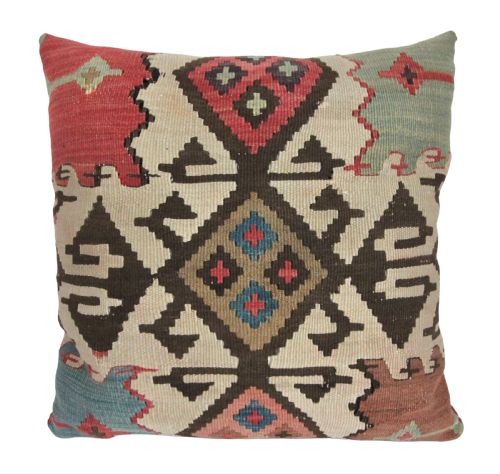
Antique Kilim Cushion
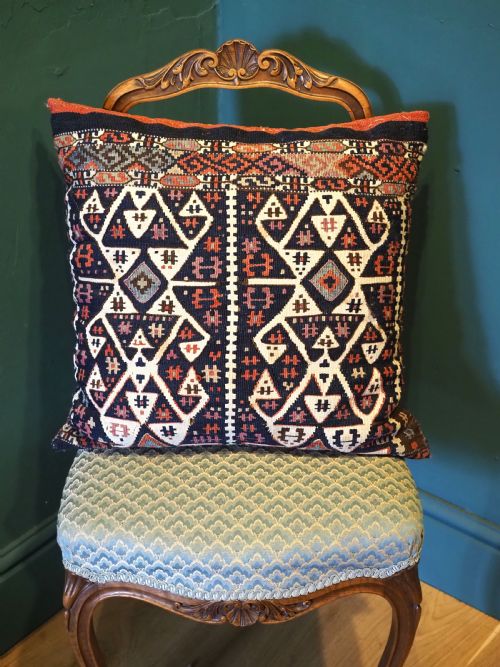
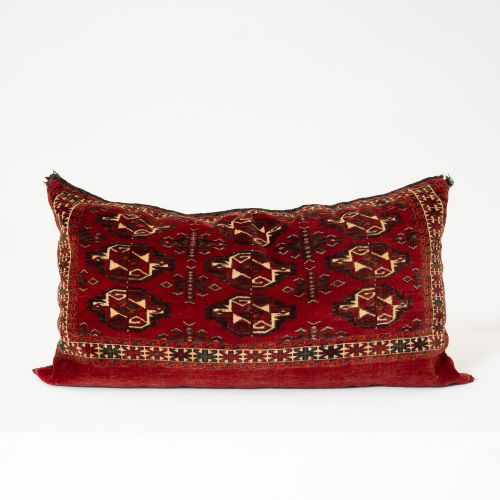
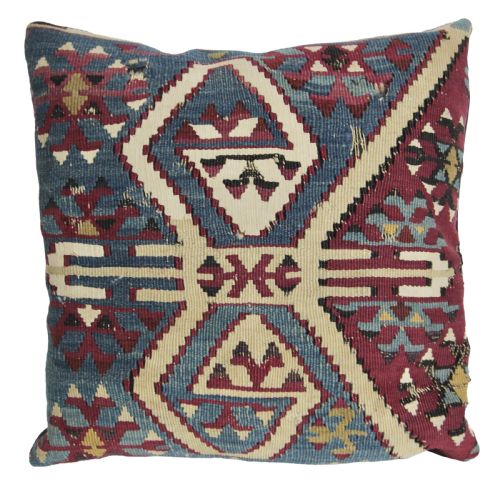
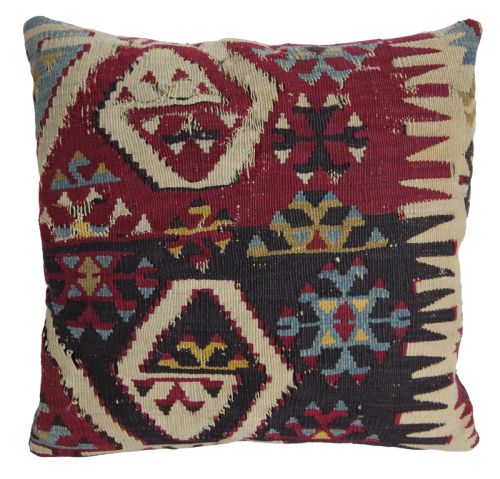
An antique kilim cushion brings genuine tribal history into a room, formed from repurposed nomadic weaving and flatweaves.
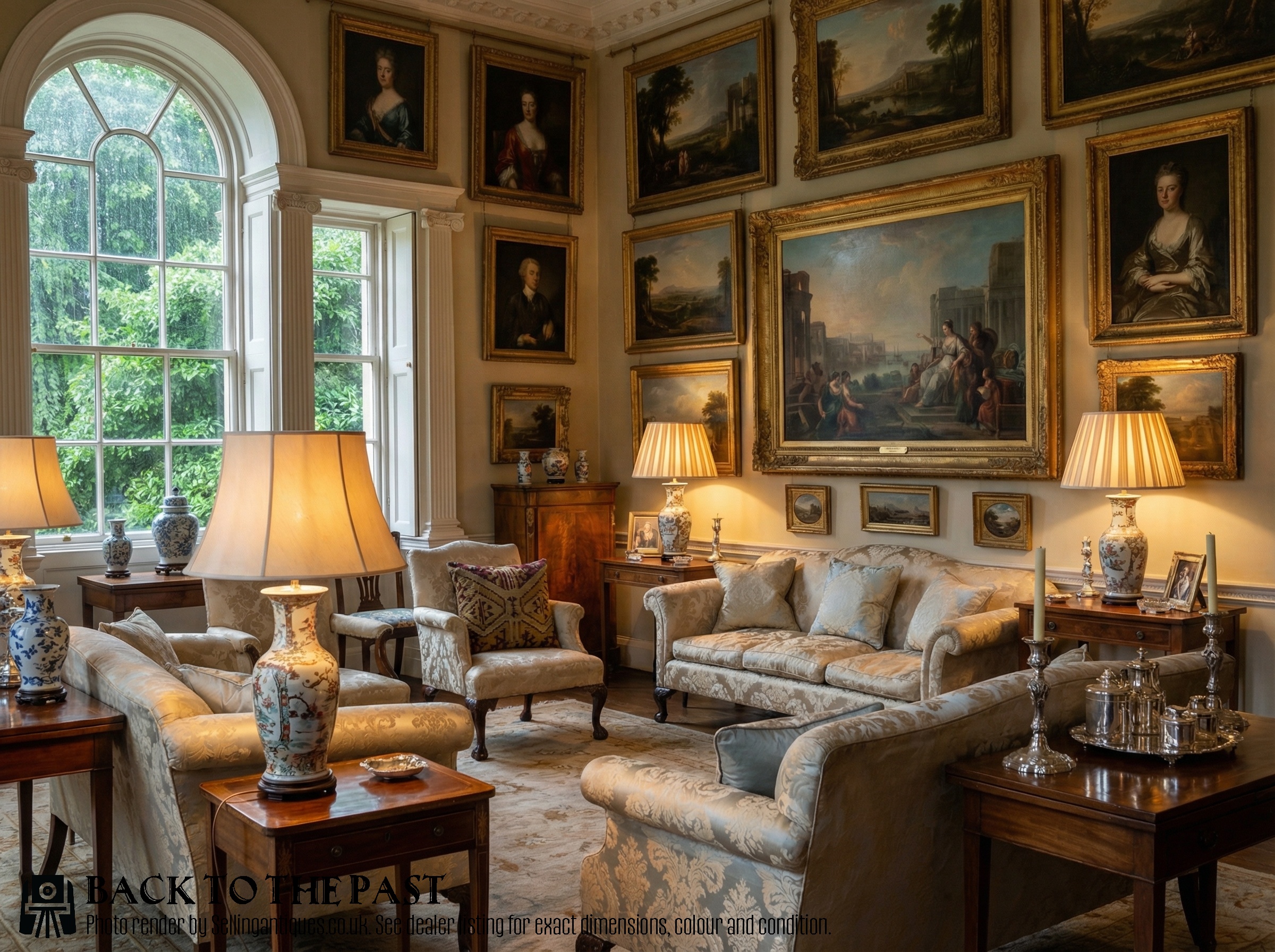
Antique Kilim Cushion
When you search for an antique kilim cushion, you encounter historic flatwoven textiles repurposed into home furnishings. The pieces on this page span from the mid-nineteenth century through the early twentieth century, originating primarily from Anatolian, Persian, and Central Asian tribal groups.
Many examples begin life as functional items such as saddle bags, storage bags, torbas, chuvals, and wheat-sacks known as tachehs. Nomadic weavers from tribes including the Bakhtiari, Yomut, Baluch, Shahsavan, and Qashqa'i originally produced these durable textiles for daily camp life.
The most common form on this page is the cushion cover fashioned from an authentic tribal bag face, retaining its banded weft work, geometric motifs, and flatweave structure. These textiles connect modern interiors directly to nineteenth-century nomadic traditions.
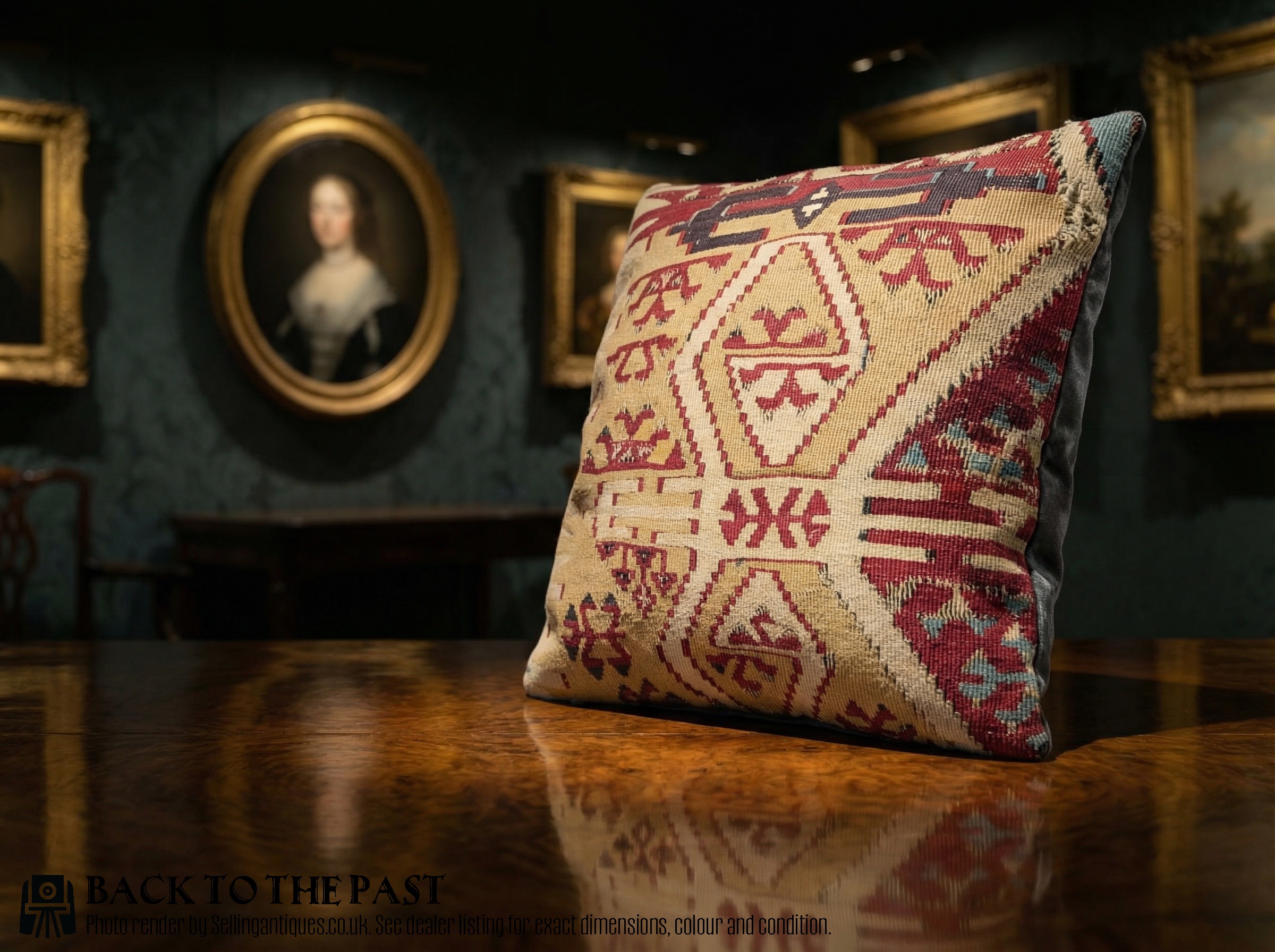
Materials and construction methods
The construction relies heavily on hand-spun wool and natural dyes, frequently combined with cotton elements and occasional goat hair for structural strength. Artisans utilised traditional flatweaving techniques without a pile, creating crisp geometric patterns through interlocking wefts.
Weavers sourced dyes from local plants and minerals, yielding rich tones that age with considerable character across the nineteenth and early twentieth centuries. Many items retain original backs, tassels, and structural elements from their previous utilitarian existence as storage containers.
Nomadic weavers occasionally tucked spare wool and stray goat hairs directly into the bag backs, leaving secret traces of camp life inside.
Factors determining quality
Quality rests upon the fineness of the flatweave, the complexity of the tribal design, and the vibrancy or depth of the natural dyes. Tighter weft work and intact original components indicate superior craftsmanship by the maker.
Condition and integrity distinguish finer examples, particularly when bag faces retain their original backs and authentic tribal characteristics. The precision of geometric patterns and the quality of hand-spun wool separate standard production from exceptional tribal weaving.
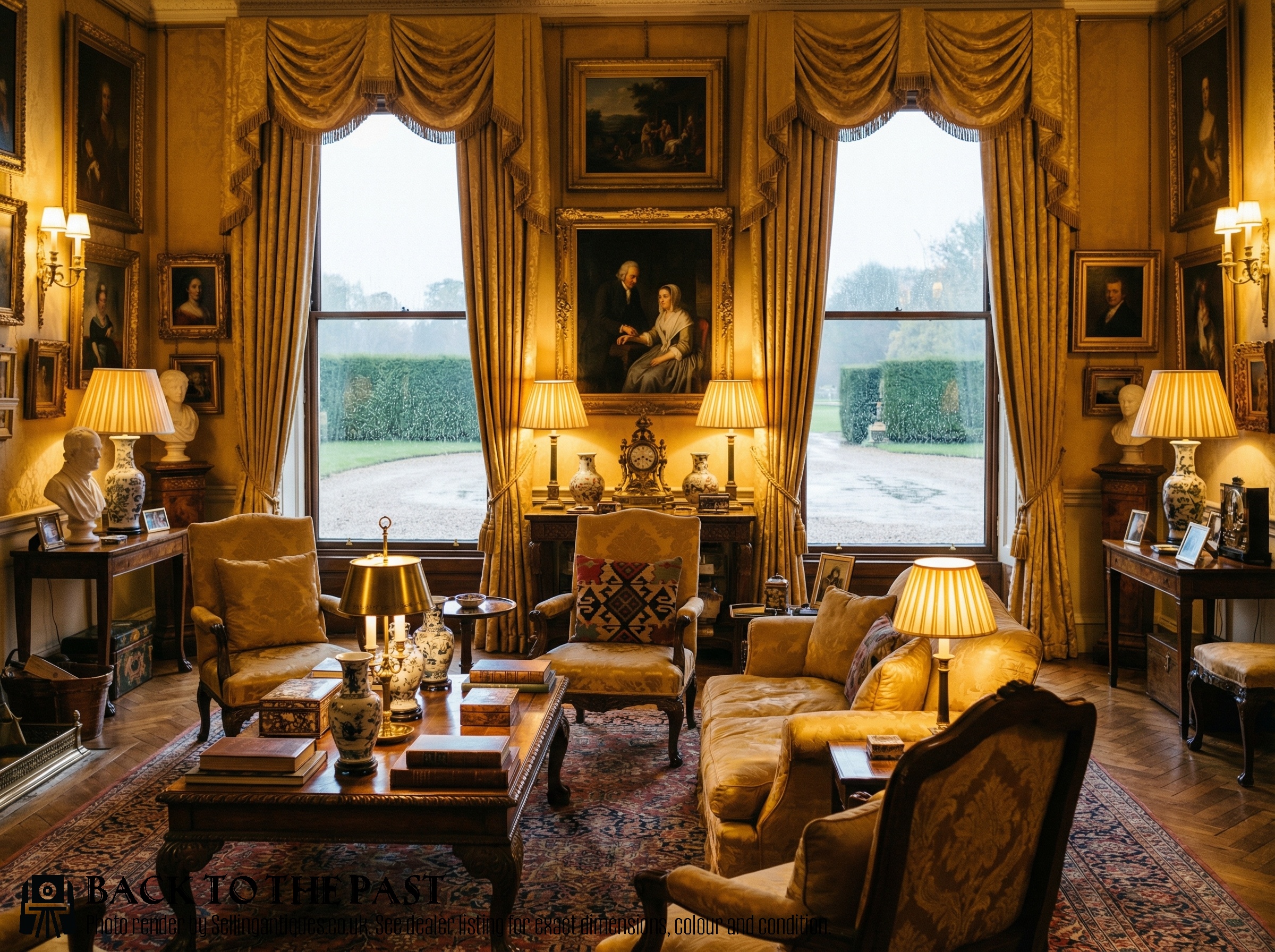
The Antique Kilim Cushion Glossary
- Kilim
- A flatwoven carpet or rug produced by tightly interweaving warp and weft strands. This technique creates a smooth surface without pile.
- Torba
- A small storage bag made by Turkmen and other Central Asian tribes. These pieces were traditionally used inside tents for domestic storage.
- Tacheh
- A traditional tribal wheat-sack or storage container from Western Persia. Luri and Bakhtiari weavers frequently produced these distinctive flatweaves.
- Chuval
- A large tent bag used by nomadic groups for storing household goods. Fragments of these bags often form decorative cushions.
- Flatweave
- A textile woven on a loom without knotting yarn to create pile. The resulting fabric is thin, durable, and flat.
Antique Kilim Cushion: Frequently Asked Questions
How do I identify tribal origins?
Tribal origins are identified through specific geometric motifs, colour palettes, and weaving structures characteristic of groups like the Bakhtiari or Yomut. Design layouts often reflect regional weaving traditions.
Examining the specific patterns in the flatweave reveals the distinct heritage of the nomadic makers.
Are these cushions made from old rugs?
Many cushions are fashioned from historic bag faces, saddle bags, and storage sacks rather than standard floor carpets. Items such as torbas and wheat-sacks provide the patterned front panels.
This repurposing preserves surviving fragments of nomadic textile art for modern interior use.
How should I care for antique wool?
Care for antique wool requires gentle vacuuming without a rotating brush and professional textile cleaning when necessary. Protecting the wool from direct sunlight prevents natural dye fading.
Proper placement away from heavy friction helps preserve the historic flatweave structure.