

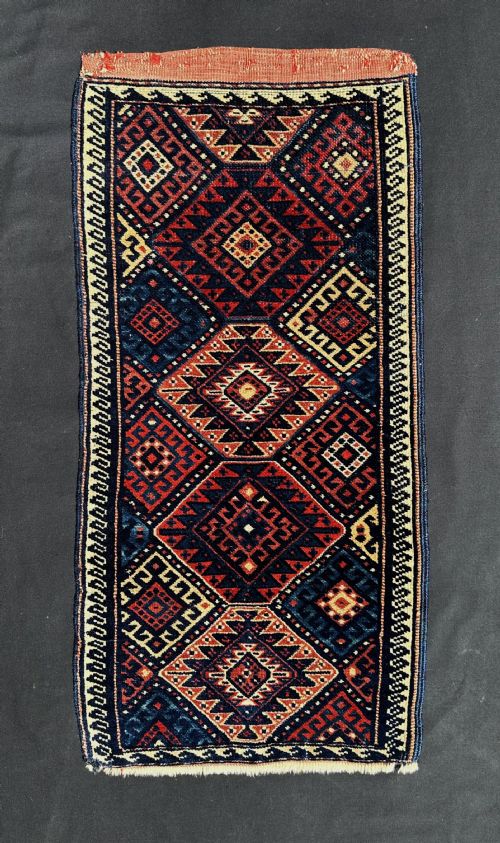


Tribal Wool Cushion
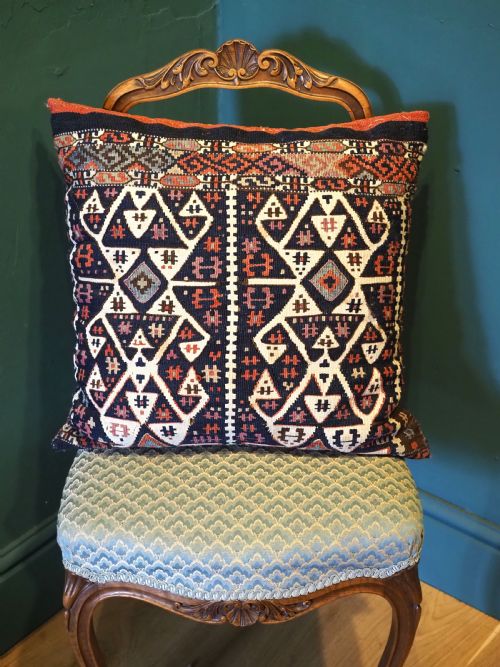
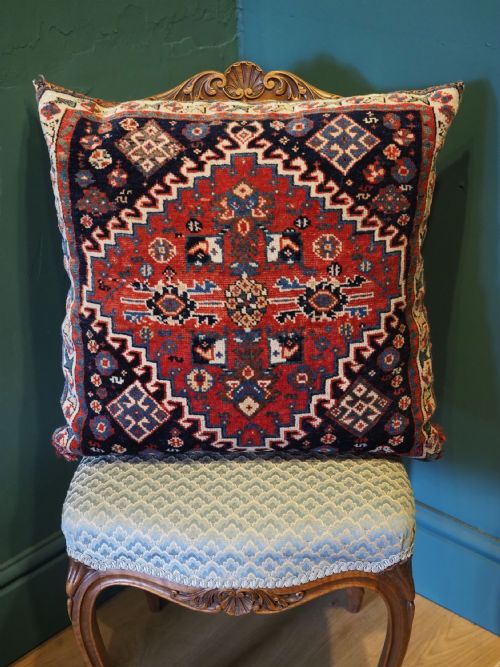
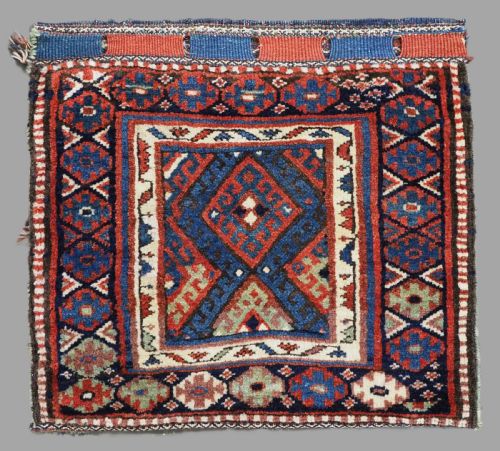
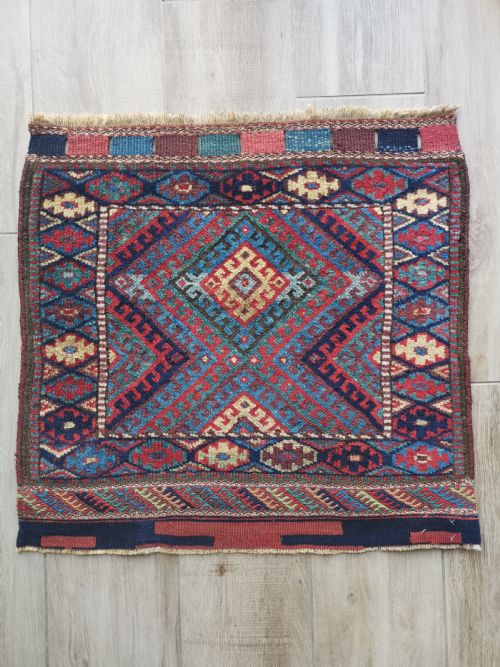
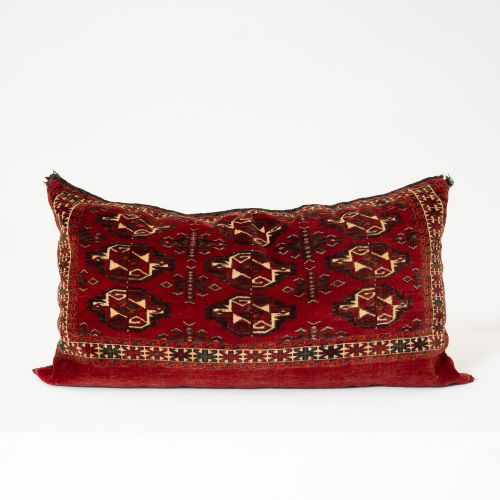
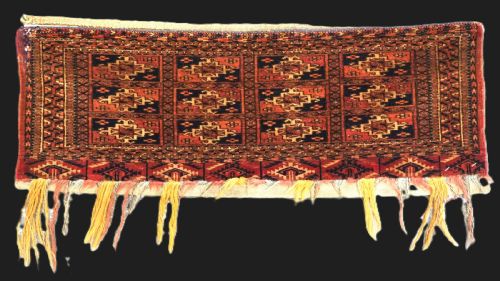
These tribal wool cushion pieces bring genuine nomadic heritage into a room through repurposed saddle bags, grain sacks and flatweaves.
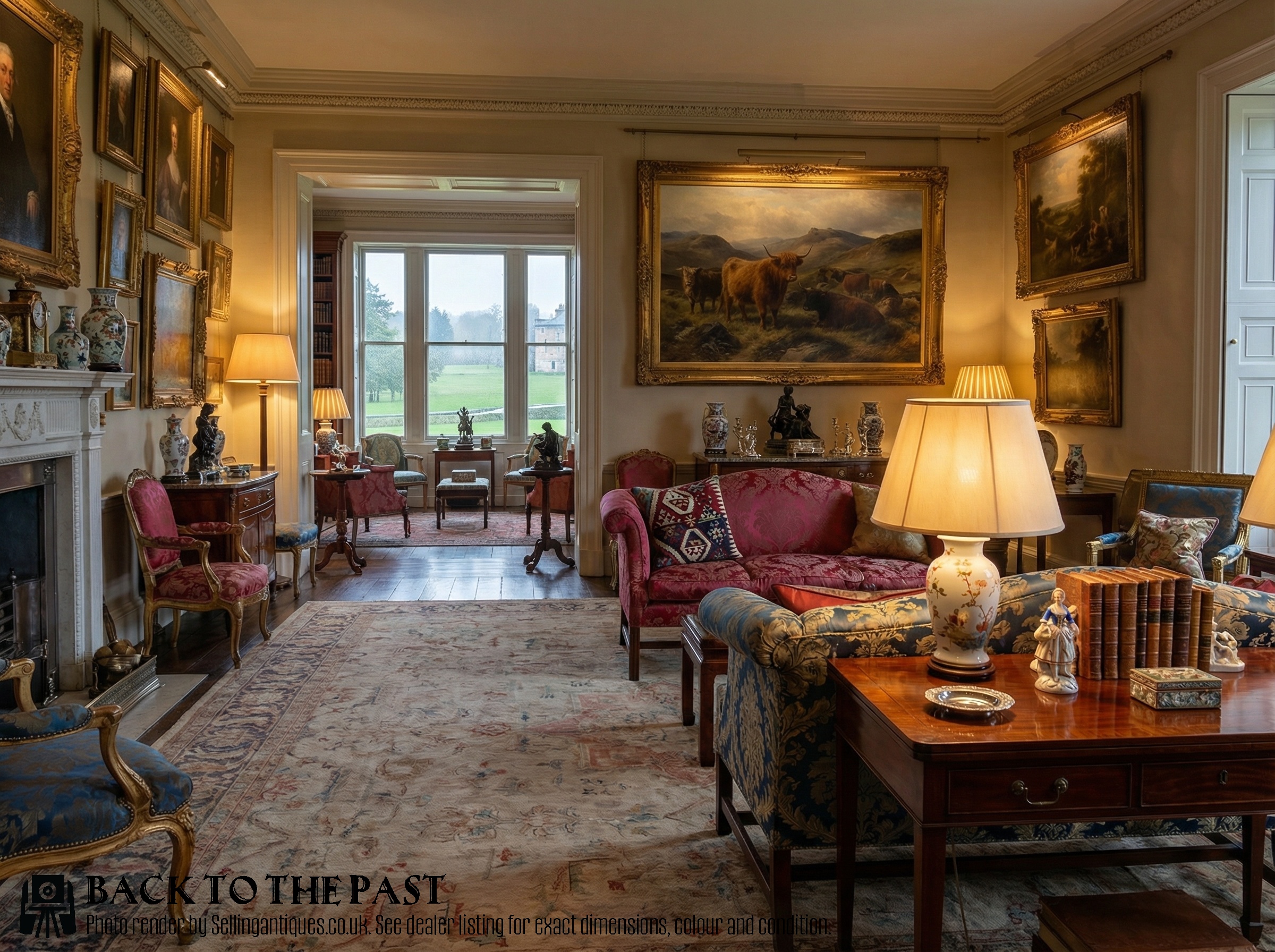
Tribal Wool Cushion
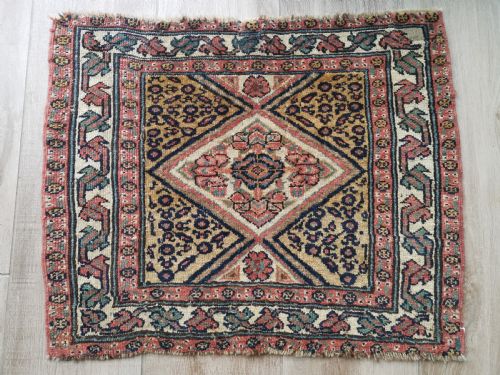
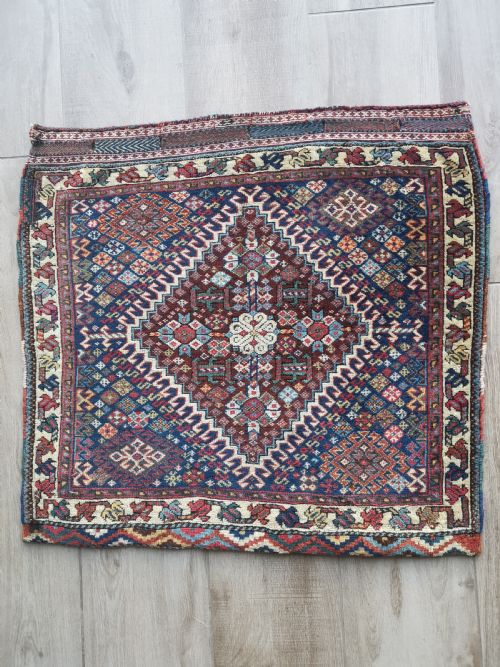
A tribal wool cushion typically originates as a repurposed nomadic textile, such as a bagface, torba, chuval or saddle bag transformed into functional home decor. These pieces span the nineteenth and early twentieth centuries, drawing on Persian, Anatolian, Turkmen and Caucasian weaving traditions.
Buyers encounter formats ranging from square kilim covers and complete storage bags with plain weave backs to specific tribal formats like Balisht pillows and Yomut mafraash panels. Each item carries the distinct geometric vocabulary and regional patterns of specific nomadic groups, including the Qashqai, Shahsavan and Tekke Turkmen.

What varies in quality
Quality rests upon the fineness of the knotting or weave density, the clarity and saturation of the natural dyes, and the integrity of the surviving wool pile or flatweave structure. Pieces retaining complete original backs and intact borders command greater attention from collectors who value untouched nomadic utility.
Design precision and the complexity of tribal motifs, such as guls or specific regional field patterns, also distinguish finer examples from standard utilitarian work. The consistency of hand-spun wool textures further elevates the tactile appeal of superior items.
The inventory spans the nineteenth and early twentieth centuries, featuring wool, cotton, and natural dyes across Persian, Anatolian, and Turkmen tribal styles.
The Tribal Wool Cushion Glossary
- Bagface
- The decorative front panel of a nomadic storage or saddle bag, frequently repurposed as a cushion face.
- Torba
- A small horizontal storage bag traditionally used in Turkmen tents, prized for its detailed primary guls and border designs.
- Chuval
- A large Turkmen tent-storage bag designed for blankets and heavy items, displaying bold recurring tribal medallions.
- Kilim
- A flatweave textile produced by tightly interweaving warp and weft strands without creating a pile, forming a smooth, durable fabric.
- Soumac
- A wrap-sewing technique that creates a braided surface texture on flatwoven rugs and bags, offering extra durability.
Tribal Wool Cushion: Frequently Asked Questions
How do I care for a tribal wool cushion?
Vacuum gently using a low suction setting without a rotating brush to remove dust from the wool fibres.
Spot clean minor stains with mild wool detergent and cool water, avoiding harsh chemicals or soaking.
Are these cushions made from authentic antique textiles?
Yes, the pieces utilise authentic nineteenth and early twentieth century nomadic bag faces, kilims and storage sacks.
Skilled makers convert these historical fragments into cushions while preserving the original hand-spun wool and natural dye characteristics.
Can I use these cushions for daily seating?
The sturdy wool and goat hair construction makes them durable enough for regular use on sofas or armchairs.
Rotating the cushions periodically ensures even wear across the antique pile and flatweave surfaces.
How do I identify different tribal weaving styles?
Regional motifs such as Turkmen guls, Baluch prayer designs, or Qashqai geometric fields point to specific tribal origins.
Examining the colour palette, weave structure, and wool preparation helps pinpoint the geographic roots of each textile.