



Vintage Rug Cushion
A vintage rug cushion brings tribal textile history into a modern room, offering durable wool construction and rich traditional patterns.
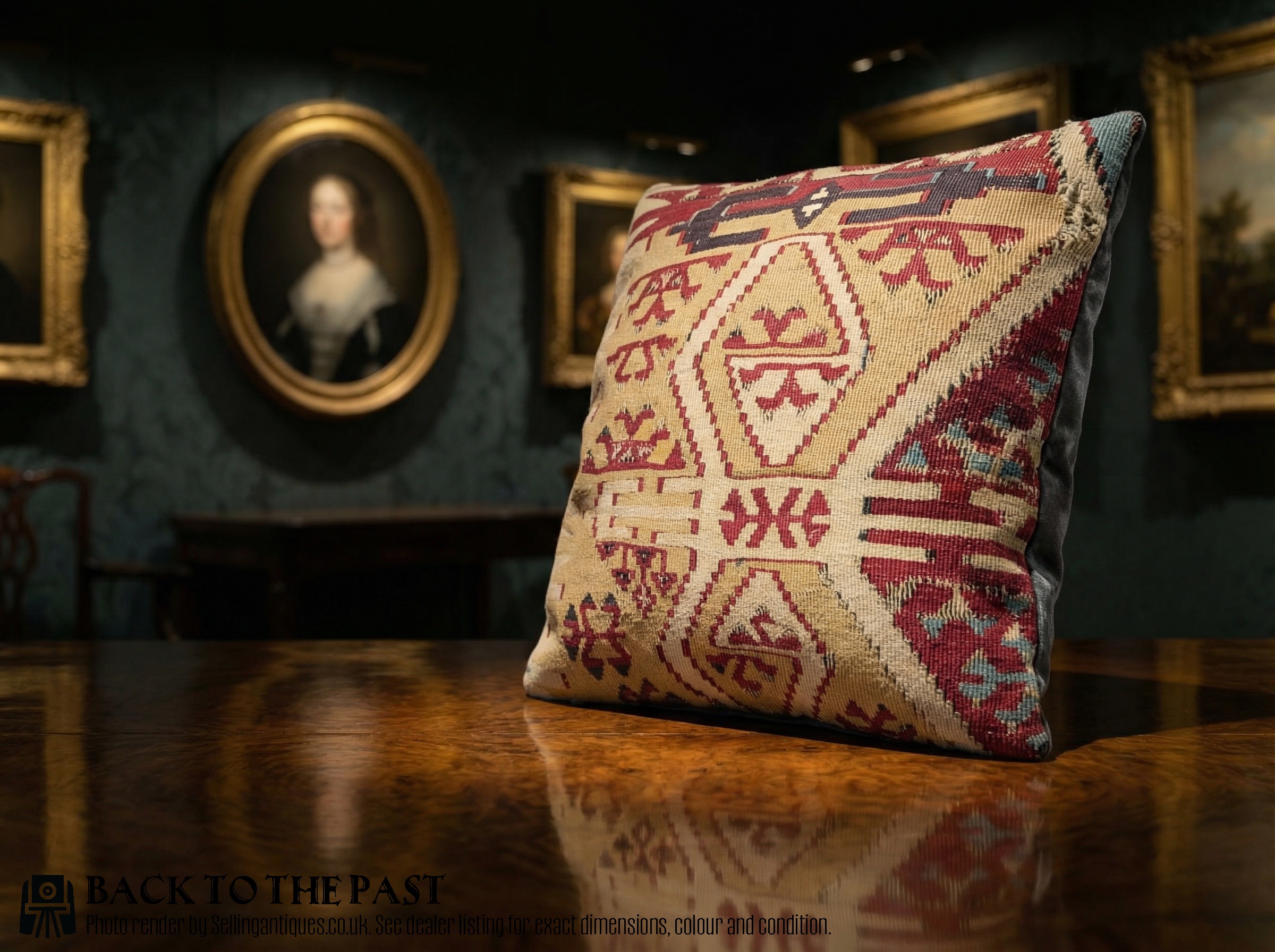
Vintage Rug Cushion
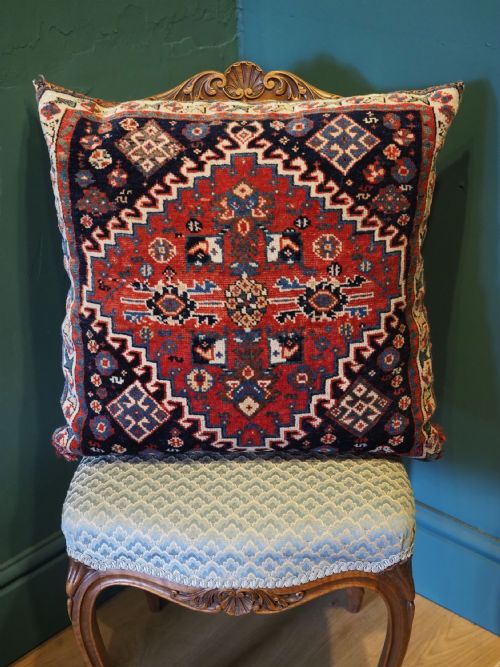
The selections encountered here span styles from Persian and Anatolian tribal workshops, alongside Turkmen and Kurdish weaving traditions. Buyers frequently select these items to introduce rich geometric patterns and textured pile or flatweave surfaces into seating areas.
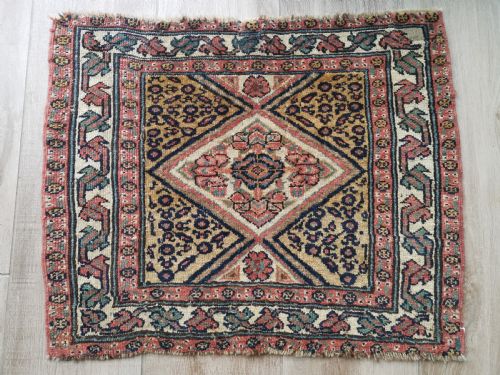
Many examples utilise fragments like bag faces paired with supportive cloth backs, preserving utilitarian textile art from the nineteenth and early twentieth centuries. Each cushion retains the distinct regional designs and dye colours of its original nomadic maker.
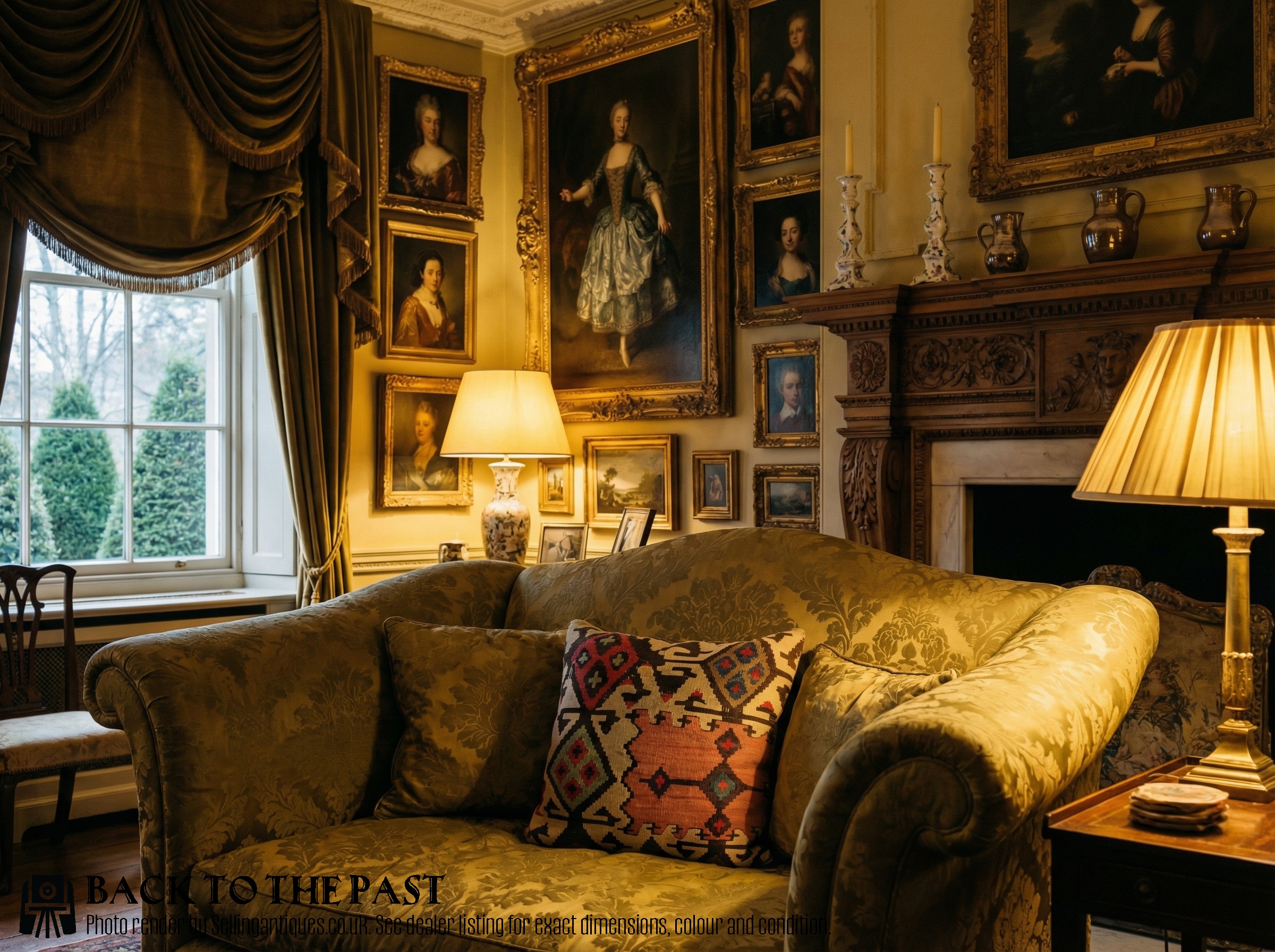
Materials and Construction
Makers utilised hand-spun wool and natural goat hair, dyed with vegetable compounds to achieve lasting depth of colour. The structural foundation relies on sturdy wool or cotton warps and wefts, creating dense pile or flatweave surfaces designed for daily transit and storage.
Weavers employed traditional knotting and flatweaving techniques across nomadic territories, integrating materials such as hand-spun wool into structured bag faces and rugs. Subsequent tailoring turns these woven panels into cushions by attaching complementary fabric backs.
Listings feature pieces spanning from the mid-nineteenth century through the early twentieth century, utilising wool, goat hair, and natural vegetable dyes.
Assessing Quality and Character
Quality rests in the fineness of the wool, the clarity of natural dyes, and the tightness of the weave. Tightly packed knots and resilient hand-spun wool separate superior nomadic pieces from simpler commercial output.
Design complexity and structural integrity dictate the standing of a piece within the range. Well-preserved bag faces with intact original backs and saturated vegetable dye palettes represent the finer end of surviving textiles.
The Vintage Rug Cushion Glossary
- Bag face
- The decorative front panel of a nomadic storage bag or saddlebag. These panels form the primary visual surface used for cushions.
- Chuval
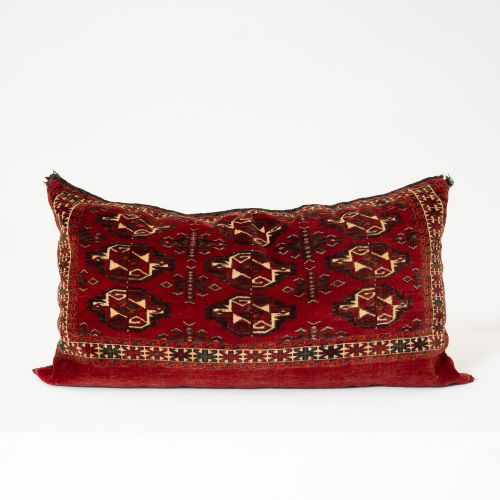
- A large Turkmen tent storage bag used for bedding and household goods. Surviving fragments often supply the wool pile for cushions.
- Torba
- A smaller Turkmen storage bag historically hung inside a nomadic tent. Torba faces provide compact geometric designs for smaller textile cushions.
- Tacheh
- A traditional woven wheat sack or storage container made by tribal groups in Western Persia. These sacks translate into heavily textured cushion covers.
- Flatweave
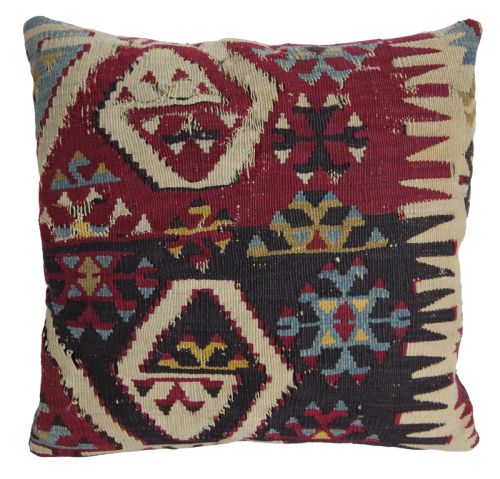
- A textile constructed without pile by interlacing warp and weft threads together. Examples include flatwoven kilim cushion covers.
Vintage Rug Cushion: Frequently Asked Questions
What is a rug cushion made from?
These items are made from antique tribal weaving, utilising hand-spun wool, cotton, and goat hair on structural wool foundations. The surface typically consists of a repurposed rug fragment or bag face.
Natural vegetable dyes provide the colour palette across the wool pile and flatwoven sections. Many pieces combine historical wool fronts with supportive fabric backs.
How do I care for my cushion?
Maintenance requires gentle vacuuming with low suction and avoiding direct sunlight to protect natural dyes. Professional textile cleaning preserves the integrity of old wool fibres.
Rotating the cushion helps distribute wear evenly across the traditional pile or flatweave surface. Avoid harsh chemical treatments on antique wool and natural dyes.
How old are these cushions?
The pieces span the nineteenth century and the early decades of the twentieth century. Dating relies on the specific tribal styles, natural dye usage, and wool characteristics.
Many listings reflect production periods around eighteen-eighty to nineteen-twenty. These dates correspond to the active era of traditional nomadic textile production.