



Red Wool Cushion
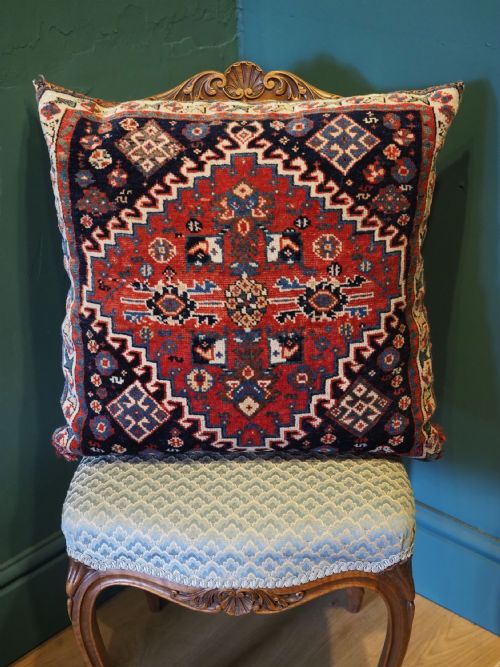
When you search for a red wool cushion, you encounter tribal bag faces and storage sacks transformed into soft furnishings from nineteenth and early twentieth century traditions.
Red Wool Cushion
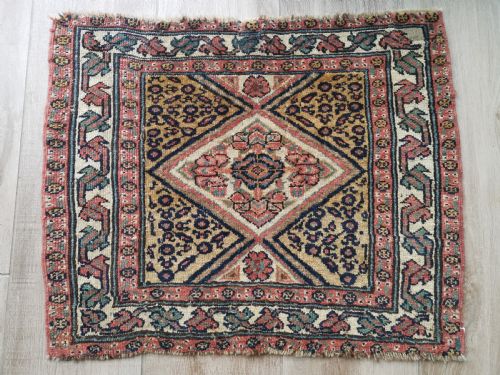
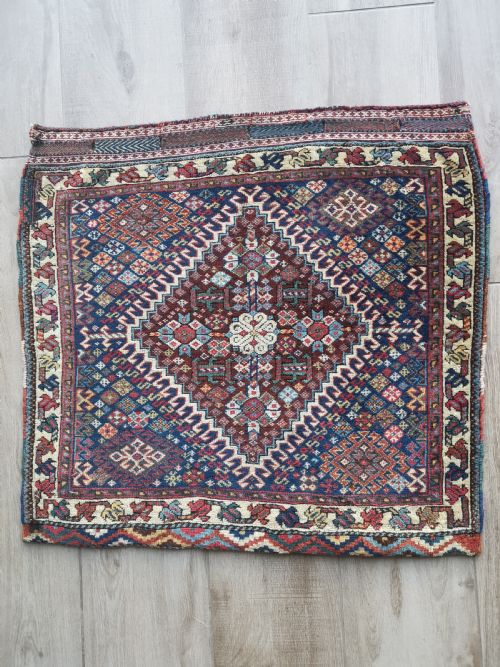
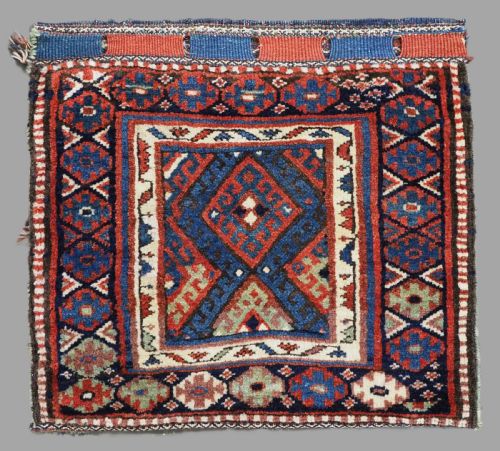
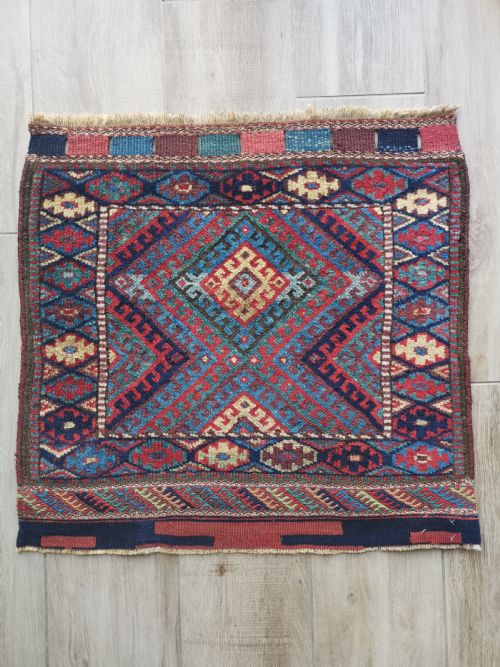
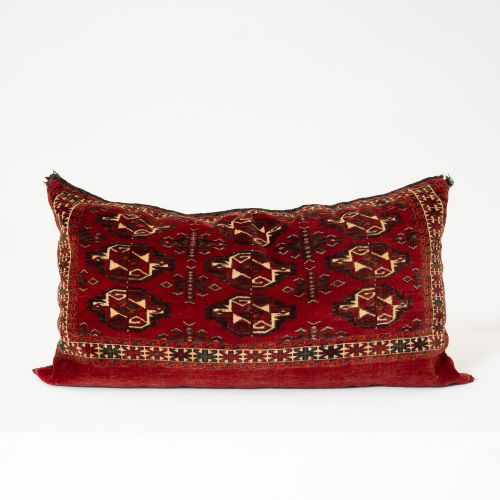
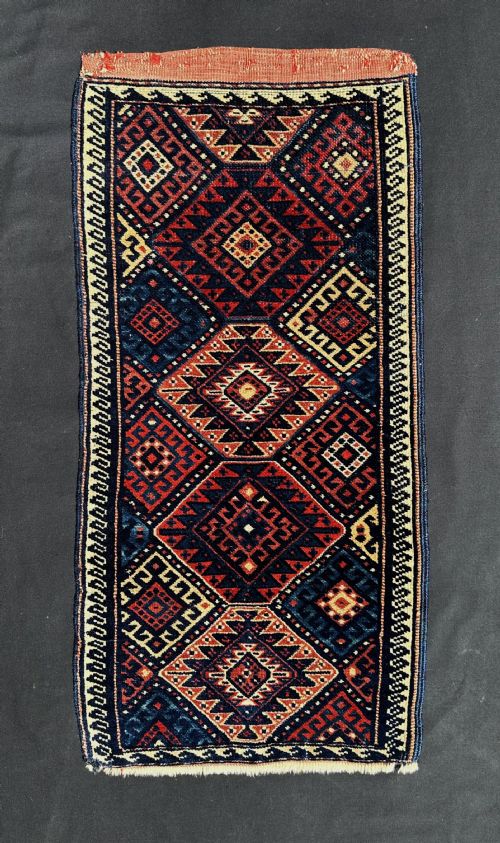
A red wool cushion on this page originates primarily as a utilitarian bag face, saddle bag, or storage sack woven by nomadic and village groups across Persia, Anatolia, and Central Asia. These items date from the mid-nineteenth century through the early twentieth century, spanning periods such as 1850, 1880, 1900, and 1920.
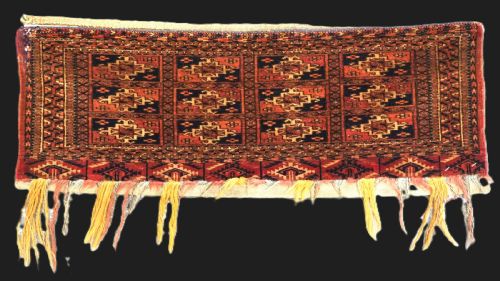
The forms encountered most frequently include bagfaces from Yomut, Tekke, Saryk, and Ersari Turkmen tribes, alongside Qashqai, Baluch, Kurdish, and Khamseh pieces. Rather than being made initially as decorative pillows, these textiles served practical nomadic functions before being repurposed into cushions.
The prevailing palette centres on rich reds, madder tones, and deep wool hues characteristic of tribal weaving regions like Khorassan, Fars, and the Caucasian borders. Each piece retains the structural characteristics of its original tribal context, whether flatwoven or pile-knotted.
Materials and Construction
The construction relies on hand-spun wool and occasionally goat hair, utilising natural dyes and vegetable dyes to achieve deep crimson and red colourways. Weavers employed techniques ranging from pile knotting to plain weave and flatweave structures.
Nomadic artisans constructed these textiles to endure heavy daily use, incorporating durable materials that held natural oils and resisted wear. The backs of these cushions often utilise original plain weave wool or complementary tribal flatweaves found on the parent storage bags.
Listings feature nineteen-century and early twentieth-century material, spanning dates from 1850 to 1920 in wool and natural dyes.
Judging Quality and Integrity
Quality rests upon the fineness of the wool, the depth and clarity of the natural dyes, and the tightness of the knotting or flatweave structure. Pieces with complete original backs and retained tassels demonstrate superior preservation compared to altered fragments.
Design precision and tribal authenticity separate standard examples from finer works, particularly where regional motifs like guls or boteh patterns are executed with distinct proportions and balanced colour saturation.
The Red Wool Cushion Glossary
- Bagface
- The decorated front panel of a nomadic storage sack or saddle bag. These panels form the primary decorative surface reused for cushions.
- Chuval
- A large Turkmen tent storage bag used for bedding and household goods. Surviving faces display repeating guls in rich red wool.
- Torba
- A smaller Turkmen storage bag traditionally hung inside a yurt. They exhibit banded flatweave designs or structured pile work.
- Gul
- A repeated octagonal or medallion motif used in Turkmen and tribal weaving. Each design identifies specific tribal groups and lineages.
- Boteh
- A stylised almond or paisley shaped motif representing a floral shoot or cypress tree. This symbol appears frequently in Persian tribal weaving.
Red Wool Cushion: Frequently Asked Questions
What are these red wool cushions made from?
These items are constructed from hand-spun wool and occasionally goat hair, utilising natural dyes derived from plants and insects. The textiles originate from nineteenth and early twentieth century nomadic weaving traditions.
Artisans utilised techniques including pile knotting, flatweaving, and plain weave structures to create durable storage bags that later became cushions.
How were these tribal bags originally used?
Nomadic groups across Persia and Central Asia used these textiles as saddle bags, grain sacks, and tent storage containers for bedding and clothing. They formed an essential part of daily domestic and travel equipment.
Over time, surviving bag faces and storage sacks are adapted into cushions while retaining their original woven fronts and structural character.
How do I care for an antique wool cushion?
Maintain these textiles by gentle surface cleaning and occasional airing away from direct sunlight. Protect the natural wool fibres from excessive friction and moisture.
Professional textile cleaning is recommended for antique wool pieces to preserve the integrity of the natural dyes and hand-spun yarns.
How can I tell different tribal designs apart?
Tribal identification relies on distinct motifs, colour palettes, and structural techniques specific to regional groups like the Turkmen, Qashqai, or Baluch. Turkmen pieces frequently feature repeating guls, while Persian tribal work often incorporates geometric layouts and boteh patterns.
Examining the weave density, wool quality, and fringe construction helps distinguish between Anatolian, Caucasian, and Central Asian origins.