


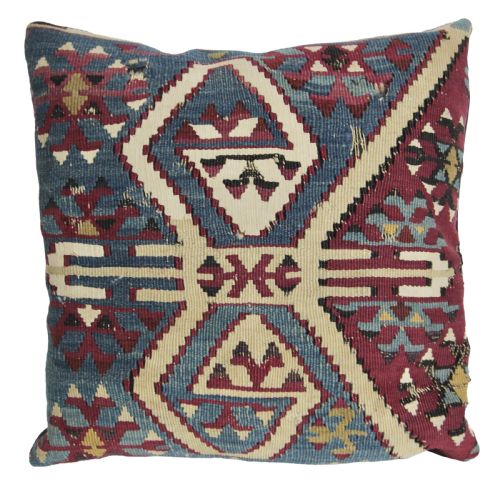
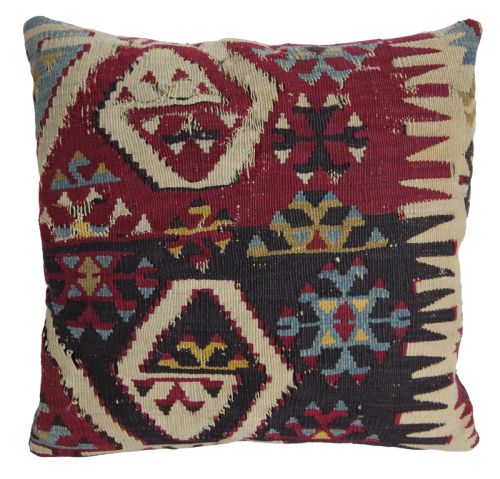


Handwoven Wool Pillow
A handwoven wool pillow brings tactile warmth to a room, formed from repurposed tribal bags, kilims and French textiles dating back to the nineteenth century.
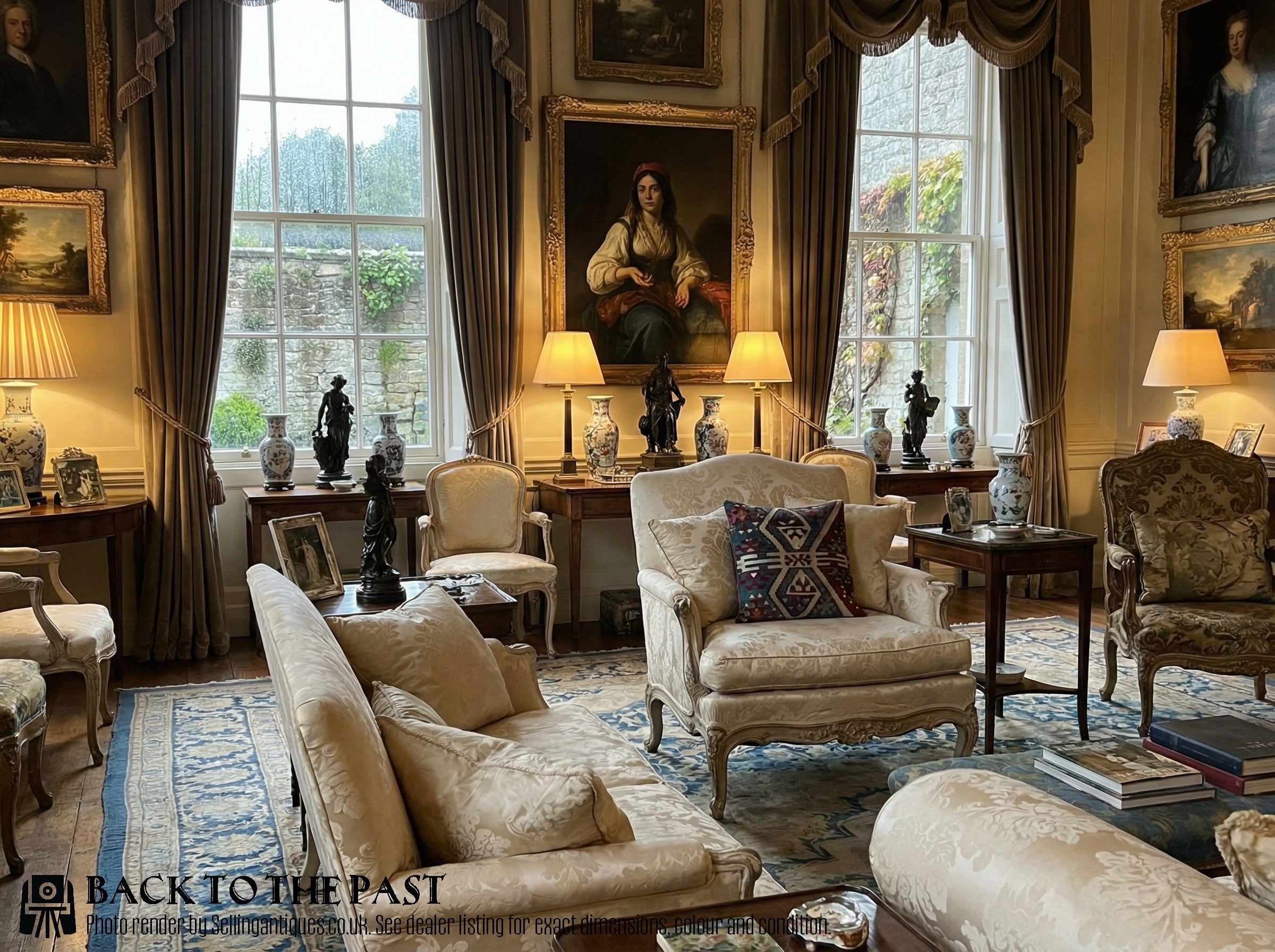
Handwoven Wool Pillow
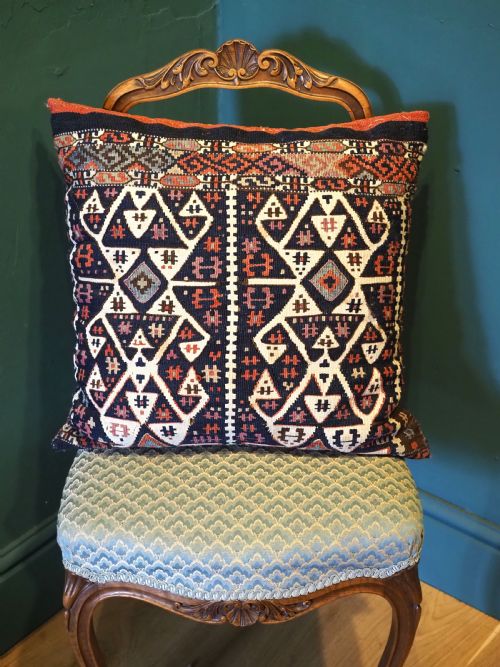
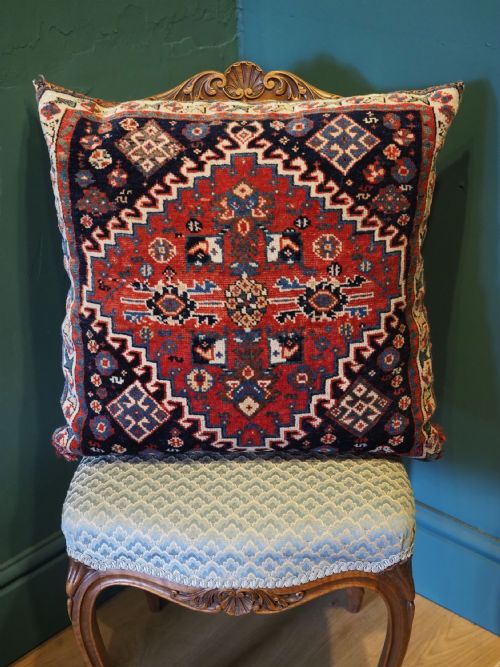
A handwoven wool pillow is typically formed from repurposed tribal bag faces, kilims and woven textiles rather than made as a cushion originally. These pieces range from nineteenth-century Anatolian, Persian and Turkmen tribal weaving to French Aubusson and Chateau styles.
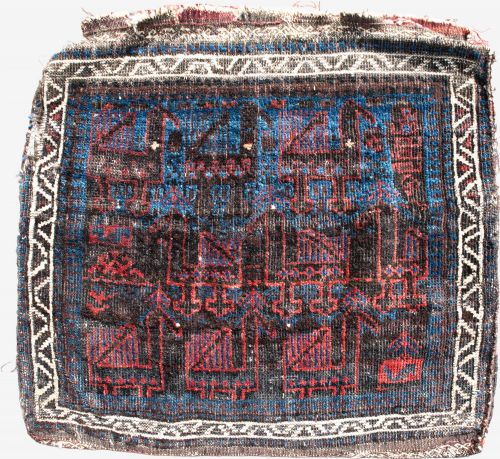
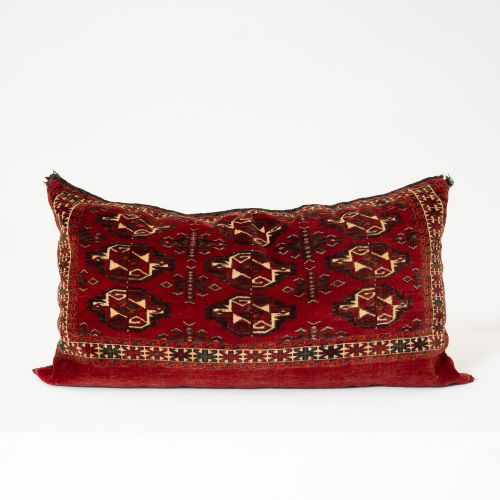
The most common formats on this page are square cushions converted from antique saddle bags, torbas and balishts. Buyers encounter fragments of nomadic and village weaving given new life as throw cushions and decorative soft furnishings.
Originating across diverse regions from Central Asia to Southwest Persia and Anatolia, these textiles carry traditional tribal motifs and flatweave structures. Each cushion represents a distinct regional heritage preserved within domestic decor.

Materials and construction methods
These textiles rely primarily on hand-spun wool and cotton, often coloured with natural dyes that yield rich, variable tones. Silk and passementerie also appear in select French pieces, providing textural contrast to heavy nomadic weaving.
Construction techniques combine traditional flatweaving, tapestry weaving and pile knotting as seen in original saddle bags and rug fragments. Artisans and makers then adapted these durable panels into cushions, frequently retaining original plain weave backs or adding complementary backing.
Handwoven Wool Pillow Retail Price Guide 2026
Typical asking prices for handwoven wool pillow among the pieces listed under this phrase on Sellingantiques today, from the lower quarter to the upper quarter. They describe what is for sale here now, not the wider market.
Listings feature handwoven wool pillows spanning the nineteenth century through to the early twentieth century, incorporating cotton, natural dyes and silk.
Assessing quality and character
Quality rests upon the fineness of the original weave, the complexity of tribal motifs such as guls, and the integrity of the textile structure. Tightly packed wool yarns and crisp geometric or floral patterning distinguish superior bag faces and kilims.
The depth and stability of natural dyes dictate visual success, where rich colour variation indicates skilled dyeing traditions. Preservation of the original textile format without excessive modern intervention maintains historical authenticity.
The Handwoven Wool Pillow Glossary
- Kilim
- A flatwoven carpet or rug produced by tightly interweaving warp and weft strands without a pile. This technique creates a flat surface ideal for decorative cushions.
- Torba
- A small Turkmen storage bag traditionally hung inside a tent. Surviving faces are frequently converted into decorative cushions.
- Gul
- A medallion-like design motif repeated across Turkmen and tribal carpets. These octagonal or geometric patterns identify specific tribal groups.
- Bag face
- The decorative front panel of a nomadic storage bag. These panels display the finest weaving and are commonly preserved as cushion covers.
- Balisht
- A small sleeping or storage pillow produced by Baluch and other tribal groups. They share the durable hand-spun wool construction seen in larger bags.
- Pasementerie
- Elaborate trimmings such as edgings, tassels or braids used on French decorative textiles. They add formal finish to Aubusson cushions.
Handwoven Wool Pillow: Frequently Asked Questions
Are these cushions made from authentic antique textiles?
Yes, the cushions utilise genuine nineteenth and early twentieth-century tribal weavings, kilims and French tapestries. These historical fragments are carefully converted into functional soft furnishings.
Nomadic bag faces and flatweaves retain their original hand-spun wool and natural dye characteristics, offering a direct link to traditional village and tribal craftsmanship.
How should I care for a wool cushion?
Wool and natural dye textiles require gentle maintenance to preserve their structure and colour. Professional specialist cleaning is recommended for antique pile and flatweave covers.
Avoid direct, prolonged sunlight to prevent natural dye fading, and plump the inner gently to maintain the shape of the woven panel.
What is the difference between a kilim and a bag face cushion?
A kilim cushion is constructed from flatwoven carpet fragments featuring geometric slit-weave designs. In contrast, a bag face cushion derives from the decorative front of a nomadic utility bag.
Bag faces often include specific tribal iconography and denser detailing, whereas kilims provide repeating geometric patterns across a flat surface.