







Tribal Scatter Cushion
A tribal scatter cushion brings rich texture and history into a room, using fragments of antique rugs to anchor a modern space.
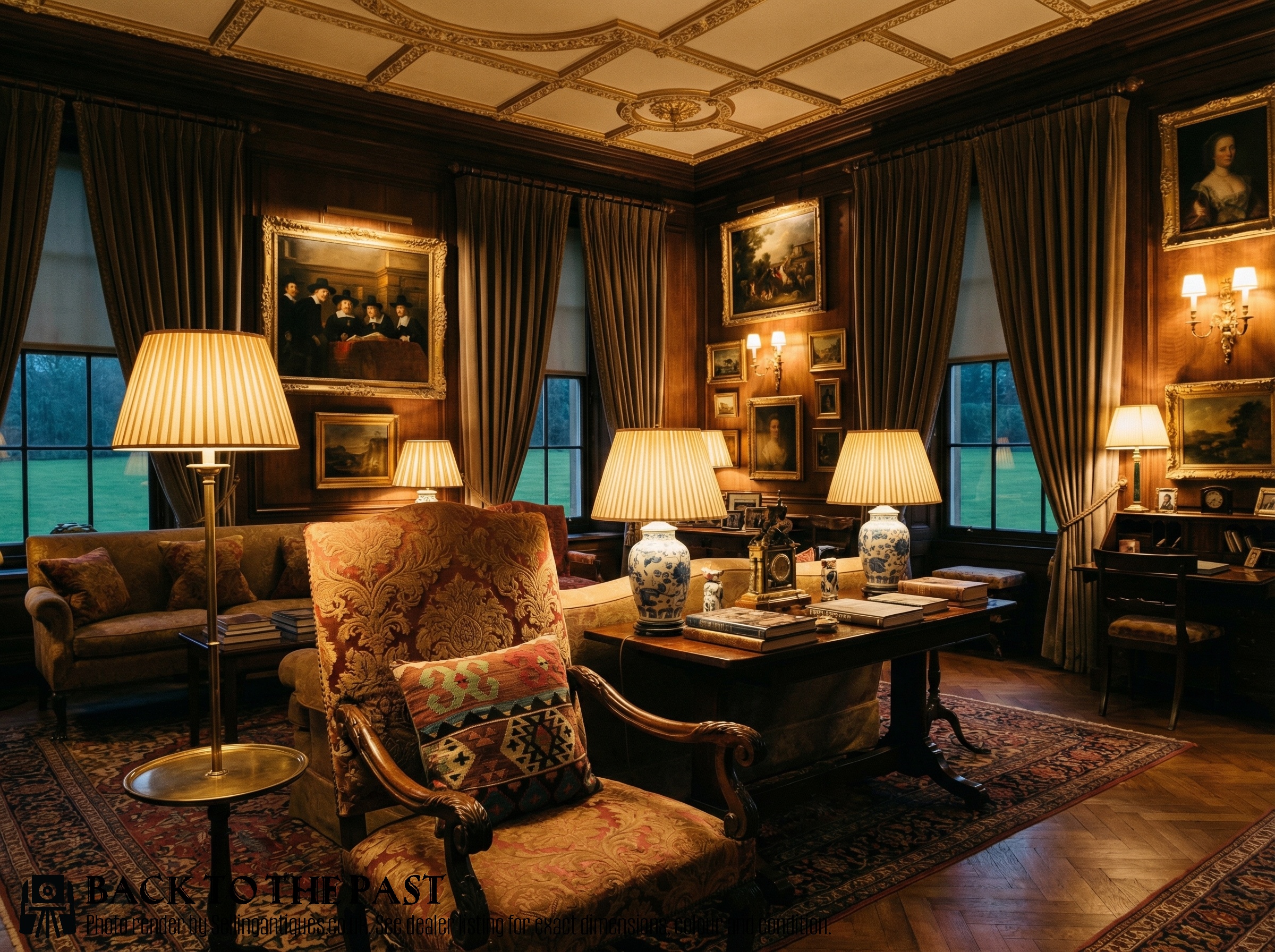
Tribal Scatter Cushion
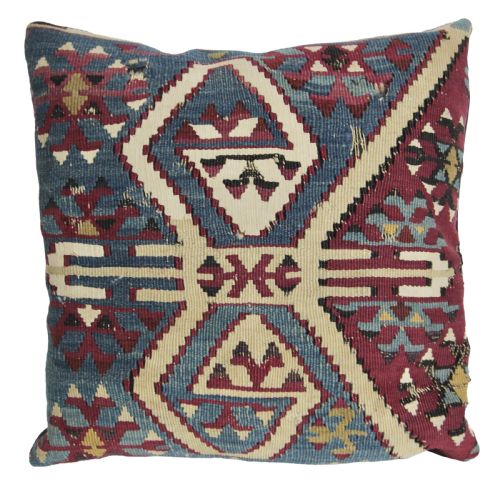
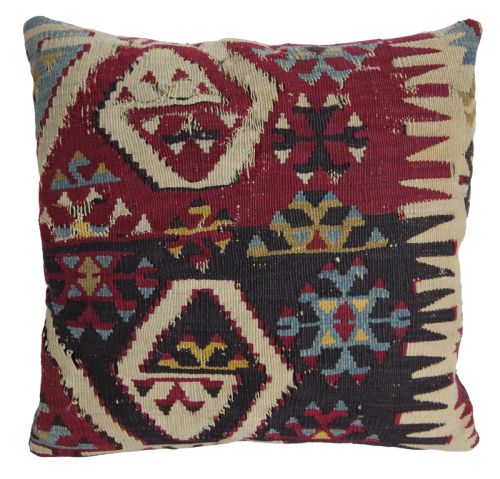
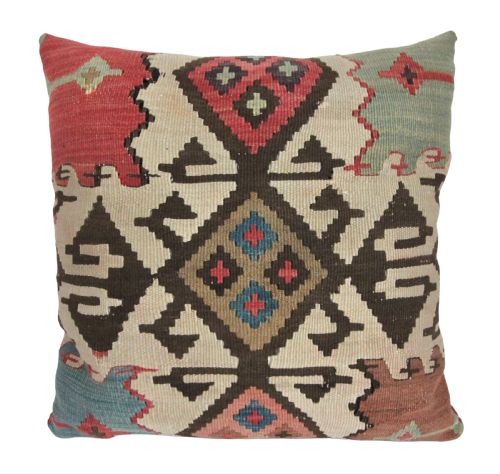
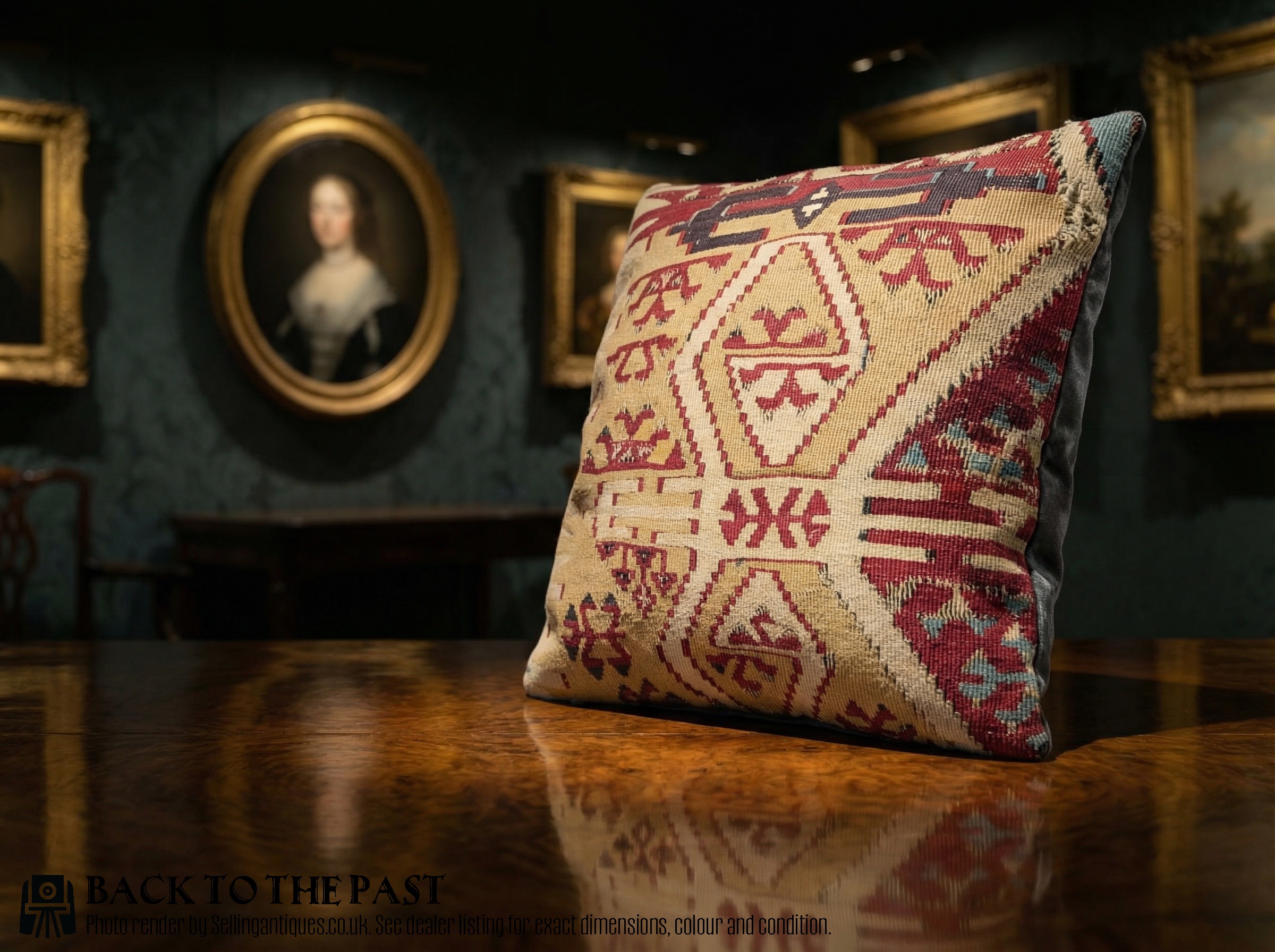
A tribal scatter cushion repurposes woven fragments from nineteenth and early twentieth century rugs, kilims, and bag faces into functional home furnishings. These pieces transform nomadic textile art into versatile decor, retaining the geometric patterns and rich dyes of their origins.
Most examples found here draw on Anatolian and Persian traditions, utilising flatwoven kilim structures or pile-woven rug sections. Buyers encounter numerous antique kilim cushions alongside scarcer bag face cushions that preserve utilitarian tribal weaving.
How they were made
Makers construct these cushions from hand-woven wool and cotton textiles originally produced by nomadic and tribal communities. The front panels utilise authentic antique rug fragments, while sturdy cotton or wool backs provide structural support.
The source material relies on traditional hand-weaving techniques, often incorporating flatwoven kilim structures or dense woolen piles. These textiles gained durability through tight knotting and robust flatweave construction designed for rigorous nomadic life.
Every cushion carries the hidden geometry of a nomadic camel bag or horse cover, repurposed to cushion a modern sofa.
What varies in quality
Quality rests primarily on the integrity and age of the source textile used for the cushion face. Finer examples display tight, even weaves, intricate geometric tribal motifs, and well-preserved natural dyes that retain their depth.
The choice of fragment significantly impacts the character of the finished cushion. Pieces sourced from finely knotted bag faces or early nineteenth century kilims demonstrate superior textile artistry compared to later, simpler productions.
The Tribal Scatter Cushion Glossary
- Kilim
- A flatwoven textile produced without a pile, traditionally used as rugs or wall hangings. These form the primary material for many scatter cushions.
- Bag Face
- The decorative front panel of a nomadic storage bag, woven with particularly dense patterns. These panels make exceptionally striking cushion covers.
- Baluch
- A style associated with nomadic weavers from the borderlands of Persia, Afghanistan, and Pakistan. Their textiles often feature deep indigo and dark red tones.
- Nomadic
- Pertaining to pastoral peoples who moved seasonally, carrying their portable woven arts with them. Their designs reflect distinct tribal identities and regional folklore.
Tribal Scatter Cushion: Frequently Asked Questions
What is a tribal scatter cushion?
A tribal scatter cushion is a decorative pillow made by repurposing fragments of antique hand-woven rugs, kilims, or storage bags.
These textiles originate from nomadic and traditional weaving cultures, primarily from the nineteenth and early twentieth centuries.
How are antique rug cushions constructed?
Craftsmen take vintage woven textile fragments, such as kilim panels or bag faces, and stitch them onto durable cotton or wool backings.
The original face maintains the historic weave and pattern while the backing provides the structure needed for modern seating.
Where do the textile patterns originate?
The designs come from traditional weaving regions including Anatolia and Persia, reflecting the distinct heritage of nomadic groups.
Each pattern incorporates the geometric motifs and colour palettes typical of specific tribal workshops and nineteenth century weaving traditions.
How do I care for a wool cushion?
Wool and cotton textiles require gentle maintenance to preserve the historic fibres and natural dyes used in their creation.
Professional cleaning is recommended for antique textile covers to maintain the integrity of the hand-woven materials.