





Flatweave Wool Cushion
These flatweave wool cushion selections offer authentic tribal textiles adapted into functional home furnishings.
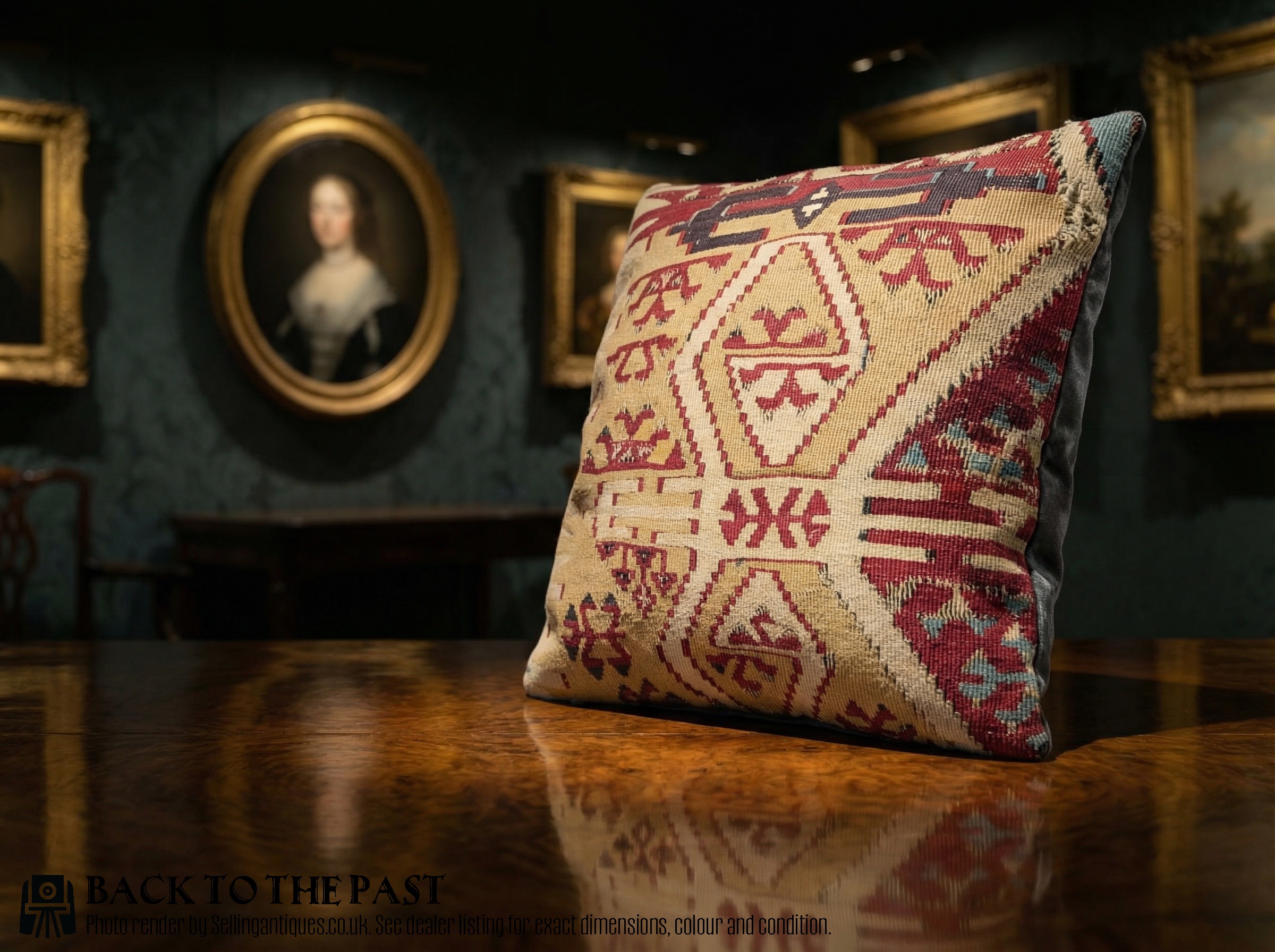
Flatweave Wool Cushion
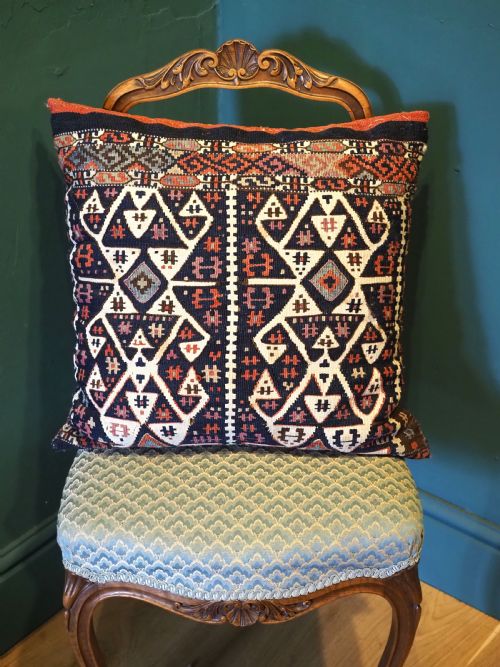
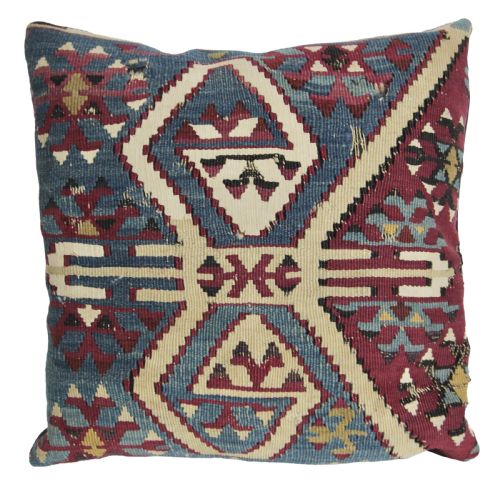
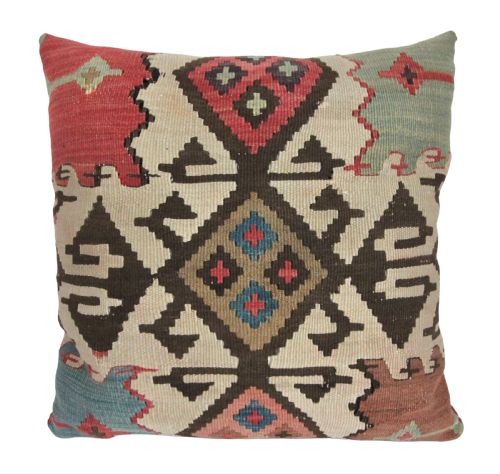
A flatweave wool cushion transforms antique nomadic bag faces, storage sacks, and saddlebags into decorative home items. When searching for a flatweave wool cushion, buyers encounter repurposed textiles originating from Persian, Anatolian, and Turkmen tribal traditions.
The pieces on this page span several decades from the mid-nineteenth century through the early twentieth century. Many utilise fragments from historical transport and storage vessels such as torbas, mafrashs, and tacheh wheat sacks.
Tribal makers wove these durable textiles using flatweave techniques, creating geometric patterns without a pile. These items bring distinct nomadic artistry into modern interiors through structured cushion formats.
How They Were Made
Craftsmen utilised hand-spun wool and goat hair to construct the foundational textile surfaces. Natural dyes and vegetable dyes provided the rich colour palette seen across these nomadic pieces.
Weavers employed flatweave and Soumak techniques on traditional looms to form intricate geometric designs and banded patterns. Many examples incorporate original plain weave backs, tassels, and structural supports from their previous lives as storage bags.
Listings feature pieces originating from Persian, Anatolian, and Turkmen tribal traditions, dating from the mid-nineteenth century onwards.
What Varies in Quality
The caliber of a flatweave wool cushion depends largely on the crispness of the tribal design and the complexity of the weave structure. Pieces utilising Soumak technique or detailed pictorial motifs demonstrate higher technical skill than simpler banded examples.
Preservation of the original textile surface and the integrity of the natural dyes dictate the desirability of the piece. The quality of the accompanying materials, such as the retention of original plain weave backs and tassels, distinguishes superior examples from standard conversions.
The Flatweave Wool Cushion Glossary
- Kilim
- A flatwoven textile produced without a pile by tightly interlacing warp and weft strands. This technique results in a thin, durable fabric historically used for rugs and wall hangings.
- Soumak
- A brocaded flatweave technique where supplementary weft threads wrap around the warp threads in a herringbone pattern. This method creates a textured surface that is sturdier than standard kilim.
- Tacheh
- A traditional tribal wheat sack or storage container utilised by Luri and Bakhtiari groups in Western Persia. These durable containers frequently find new life as decorative cushions.
- Mafrash
- A large rectangular storage container or bedding bag created by nomadic tribes. The panels of these containers are often repurposed into flatweave cushions.
Flatweave Wool Cushion: Frequently Asked Questions
What is a flatweave wool cushion?
A flatweave wool cushion is a decorative pillow made from repurposed antique nomadic textiles, such as saddlebags, storage sacks, and tribal rugs. These items convert historical woven pieces into functional home accessories.
They utilise traditional flatweave techniques without a pile, preserving the original geometric patterns created by tribal weavers.
How were these tribal bags originally used?
Nomadic tribes utilised these woven containers for transporting belongings, storing grain, and organising household goods during seasonal migrations. Pieces such as tachehs served as wheat sacks, while torbas and mafrashs functioned as storage bags.
Over time, these durable textile faces are separated from their original contexts and adapted into cushions for modern interiors.
How do I care for an antique wool cushion?
Care for these historical textiles requires gentle maintenance to preserve the natural wool fibres and vegetable dyes. Professional cleaning is recommended for antique flatweave materials to prevent damage.
Avoid direct, prolonged sunlight to protect the natural dyes from fading over the years.
How can I tell the tribal origin of a cushion?
Tribal origins are identified through specific weaving structures, colour palettes, and characteristic geometric motifs. Different groups, such as the Shahsavan, Bakhtiari, or Turkmen, employed distinct design vocabularies and techniques.
Examining the structure, such as Soumak work versus banded flatweave, helps determine the regional source.