
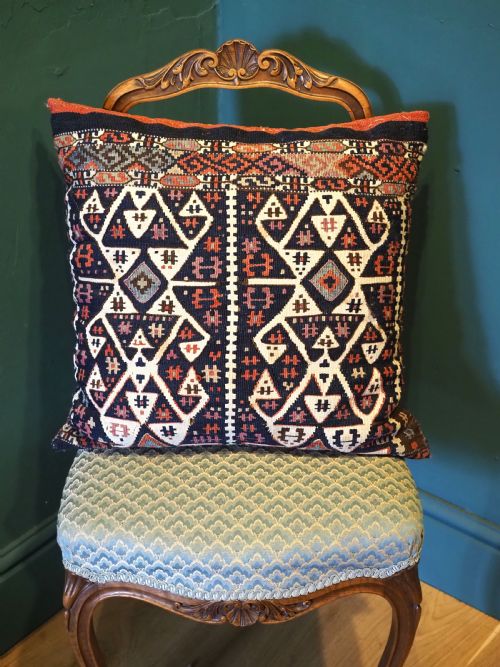


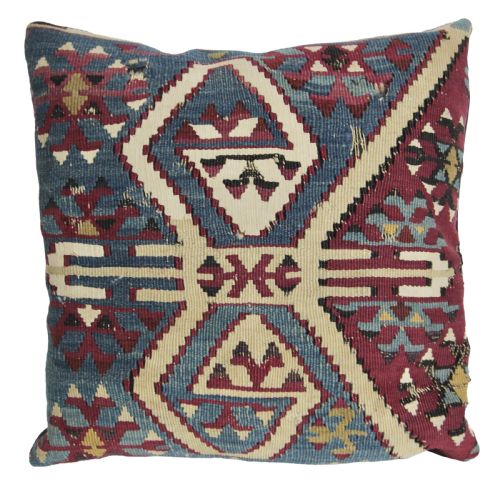

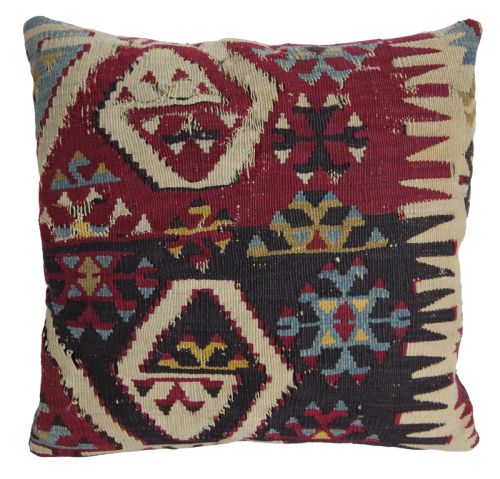


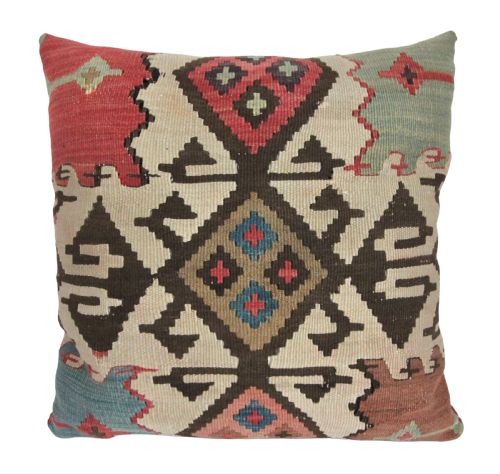
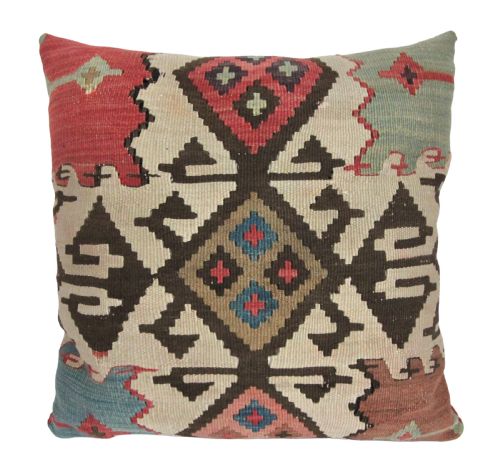


Anatolian Kilim Pillow
An anatolian kilim pillow brings genuine tribal warmth into a room, offering historic woven textiles repurposed into durable floor and sofa cushions.

Anatolian Kilim Pillow
When you search for an anatolian kilim pillow, you encounter flat-woven cushions created from historic textiles originating in Turkey. These pieces adapt traditional nomadic weavings, including antique Turkish Malatya saddle bags and bag faces, into functional cushions and throw pillows.
The objects listed on this page span from the nineteenth century into the early twentieth century, encompassing periods such as eighteen fifty, eighteen seventy, eighteen ninety, nineteen hundred, and nineteen twenty. You are most likely to meet individual antique kilim cushions alongside paired vintage carpet cushions.
Makers utilised traditional tribal and nomadic designs, categorised across Anatolian tribal, traditional Anatolian, and nomadic tribal styles. These textiles transform historical flat-weaves into practical furnishings while retaining their original hand-woven character.

Materials and construction
The foundational materials recorded in these listings consist of wool and cotton, utilised together in traditional flat-weave structures. Artisans hand-wove these textiles using time-honoured techniques suited to nomadic and tribal production.
Makers constructed these pieces from utilitarian items such as saddle bags and bag faces, which were subsequently adapted into cushions. This method preserved authentic tribal patterns while repurposing durable materials for domestic interiors.
Your cushion might once have carried a nomad's belongings across the Anatolian plains before finding a second life on your sofa.
What separates the finest examples
Quality in an anatolian kilim pillow relates to the tightness of the hand-weaving and the integrity of the original wool and cotton textiles. Pieces derived from functional items like nineteenth-century bag faces often display superior density in their flat-weave structure.
The visual strength of the tribal and nomadic patterns dictates the distinction between standard examples and exceptional pieces. The fidelity of the traditional Anatolian designs and the preservation of the historic weave remain central to the character of each cushion.
The Anatolian Kilim Pillow Glossary
- Kilim
- A flat-woven carpet or rug produced in Turkey and neighbouring regions. These textiles are made without pile, relying on interlocking weft threads to create geometric patterns.
- Saddle bag
- A paired utility container woven by nomadic groups for transport on animals. Sections of these bags frequently form the front panels of historic cushions.
- Bag face
- The decorative front portion of a nomadic pouch or storage sack. These panels are particularly prized for their concentrated tribal designs.
- Nomadic
- Pertaining to pastoral groups moving seasonally with flocks. Their woven items reflect portable, traditional art forms adapted to daily life.
- Flat-weave
- A textile construction technique lacking knotted pile. This method produces a thin, durable fabric characteristic of traditional kilims.
Anatolian Kilim Pillow: Frequently Asked Questions
How old are these kilim cushions?
The pieces available range from the mid-nineteenth century through to the early twentieth century, covering specific dates like eighteen fifty, eighteen seventy, and nineteen twenty.
Older examples originate from nineteenth-century tribal production, while others date from the nineteen hundreds, reflecting enduring nomadic weaving traditions.
What materials were used?
These items are constructed primarily from wool and cotton. Artisans combined these natural fibres in traditional flat-weave techniques.
The use of sturdy wool provided durability for utilitarian items like saddle bags, which now form the face of these cushions.
How should I live with them?
Anatolian kilim pillows suit sofas, armchairs, and floor seating where their flat-weave texture can be appreciated. They integrate easily into both traditional and contemporary interiors.
Because they incorporate historic textiles, handling them with consideration for their age ensures they remain practical decorative elements.
What is a bag face cushion?
A bag face cushion incorporates the decorative front panel of an original nomadic storage pouch. These sections often display the most concentrated tribal and geometric patterns.
Using these panels preserves the finest part of antique bags while creating a functional cushion for modern use.