
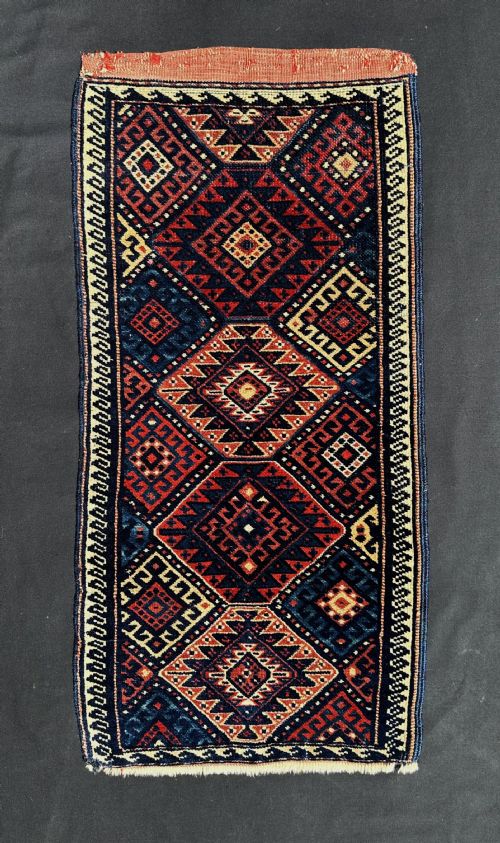


Woven Wool Pillow
A woven wool pillow brings rich tribal texture and history into a room through repurposed nomadic bags and flatweaves.

Woven Wool Pillow
When buyers search for a woven wool pillow, they find historical nomadic textiles such as saddle bags, storage sacks, and flatweaves converted into cushions. These pieces draw heavily from Persian, Anatolian, and Turkmen tribal traditions, spanning periods from the seventeenth century through to the early twentieth century.
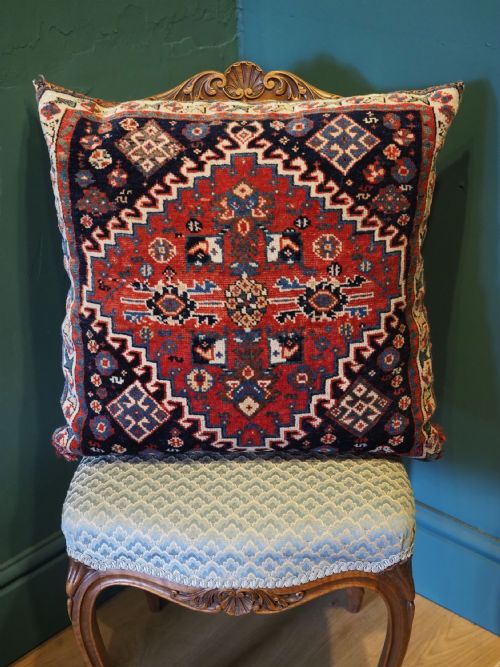
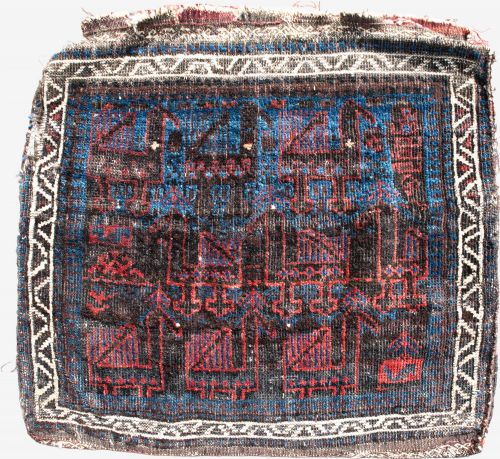
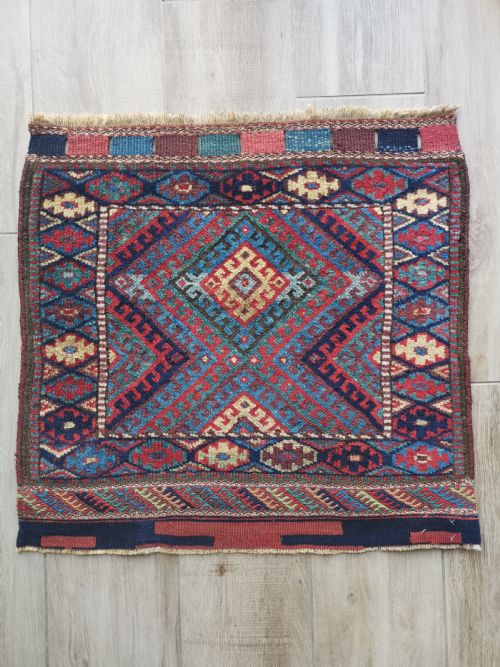
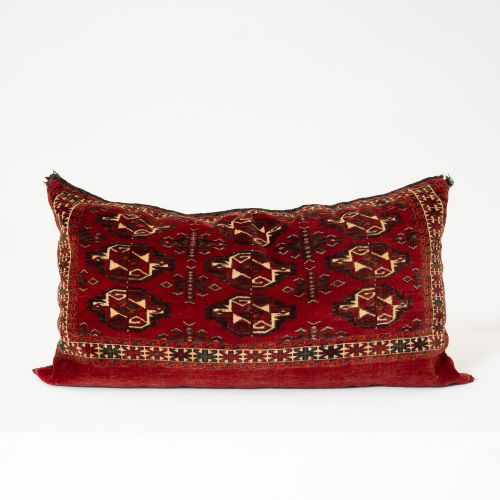
The most common formats on this page include cushion faces adapted from Baluch bird bags, Yomut torbas, and Qashqai saddle bag carpets. Artisans often utilise older woven fragments, attaching plain weave backs to transform utility items into soft furnishings.
Examples range from Kurdish bag cushions and Ersari Beshir storage bags to Aubusson and tapestry cushion covers. Each object preserves regional patterns like the kepse gul or herati design within a domestic decor format.

Distinctions in Quality
Quality rests upon the fineness of the weave, the clarity of tribal motifs like the guls or herati patterns, and the richness of the natural dyes. Pieces retaining their original backs and components display greater integrity than isolated fragments.
Condition and regional authenticity separate standard examples from finer works, particularly where tribal attributions to groups such as the Tekke, Yomut, or Qashqai remain distinct. The complexity of the flatweave design and the condition of the wool further influence the character of each textile.
Nomadic weavers packed their entire lives into these bags before they found new careers as cushions.
The Woven Wool Pillow Glossary
- Torba
- A small Turkmen storage bag traditionally used inside a tent for household goods. These faces are frequently converted into decorative cushions.
- Chuval
- A large Turkmen tent bag designed for bedding and clothing storage. They often feature multiple guls in their primary design field.
- Gul
- A medallion or repeating octagonal motif used in Central Asian carpet and bag design. Specific guls identify particular tribal groups such as the Tekke or Salor.
- Balisht
- A small Baluch pillow or bag face produced for domestic use. They typically display distinctive tribal iconography and rich wool textures.
- Mafrash
- A rectangular Caucasian or Persian storage bag used for bedding during nomadic migrations. Surviving panels are commonly adapted into cushions.
Woven Wool Pillow: Frequently Asked Questions
What is a tribal bag face?
A tribal bag face is the decorative front panel of a nomadic utility sack, such as a saddle bag or storage container. These panels were woven with intricate wool patterns by tribal groups.
Over time, many surviving bag faces are repurposed with fabric backs to create decorative cushions for modern interiors.
How do I identify Turkmen torbas?
Turkmen torbas are identified by their specific regional guls, such as the kepse or salor motifs, woven in wool. These storage bags were originally produced by tribes including the Yomut and Tekke.
On this page, they appear as horizontal formats that retain their characteristic Central Asian design vocabulary.
Are these cushions made from old textiles?
Yes, these items utilise historical textiles dating from the seventeenth century through the early twentieth century. Materials include hand-spun wool, cotton, and natural dyes.
Many listings incorporate original bag backs and tassels from tribal rugs and storage sacks.