



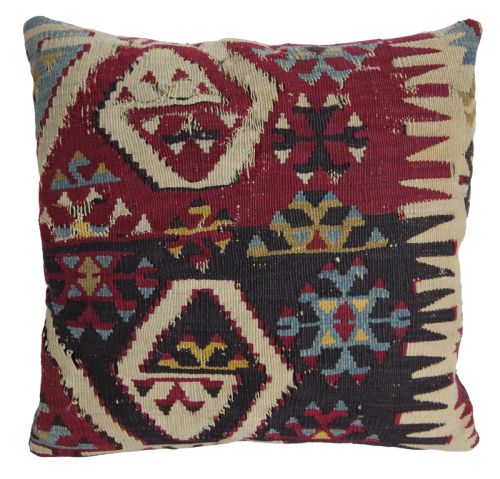


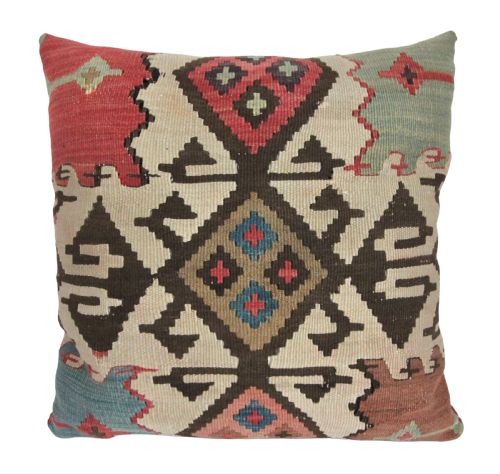
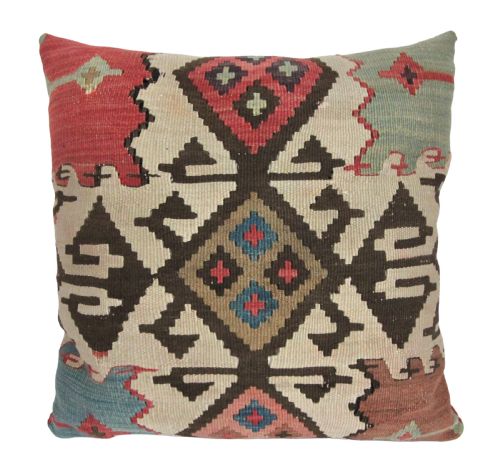
Traditional Wool Cushion
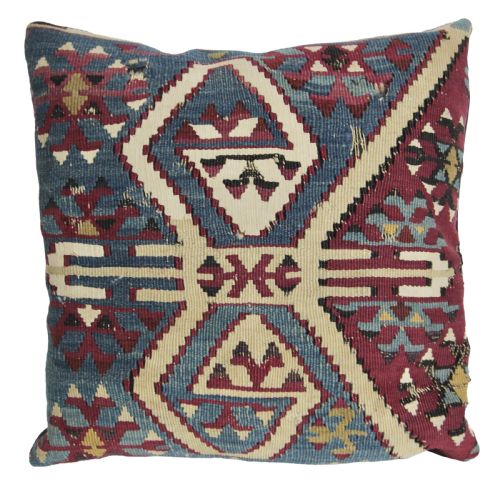
These traditional wool cushion examples bring tactile depth to a room through genuine tribal weaving and period textile fragments.
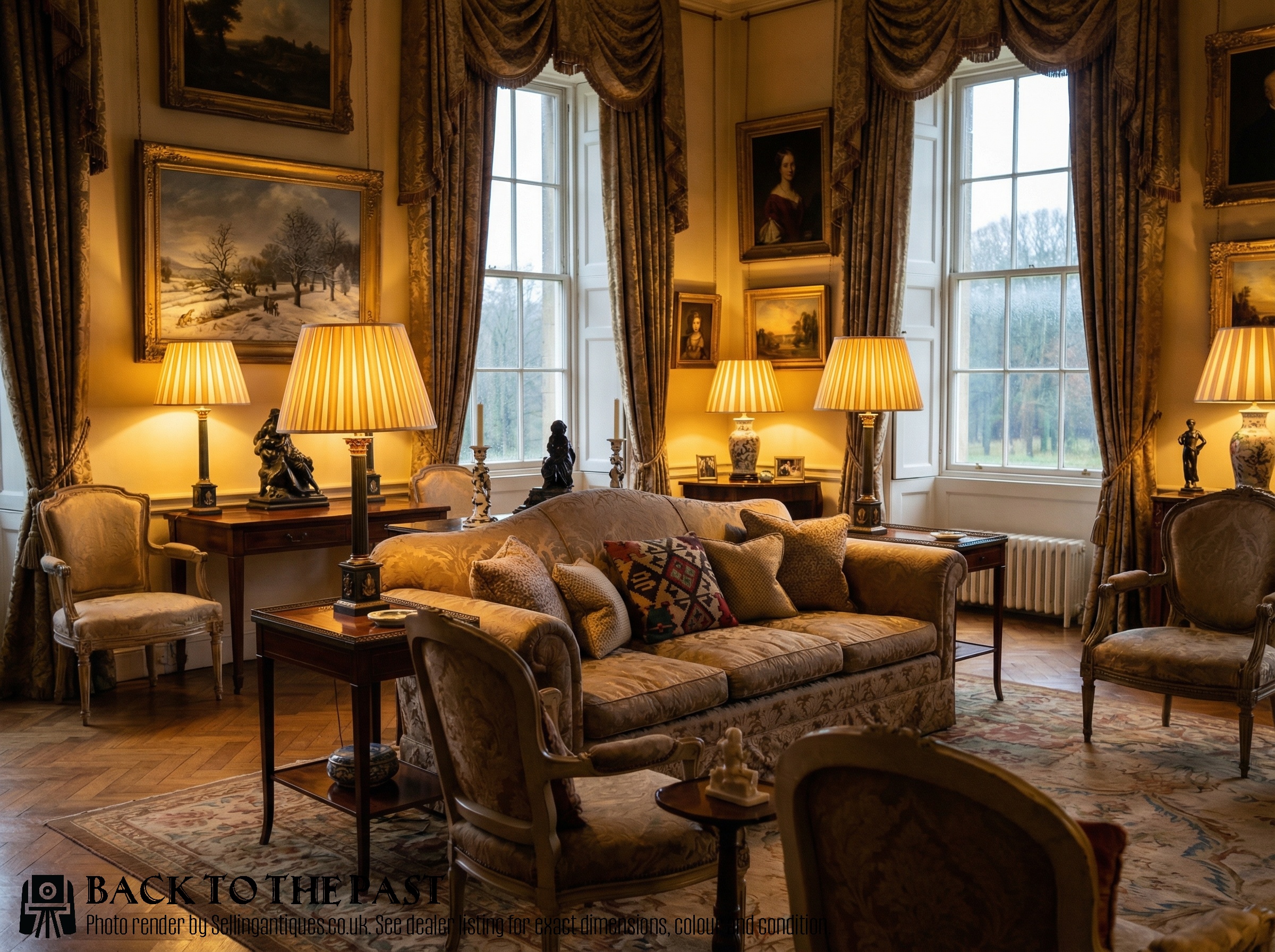
Traditional Wool Cushion
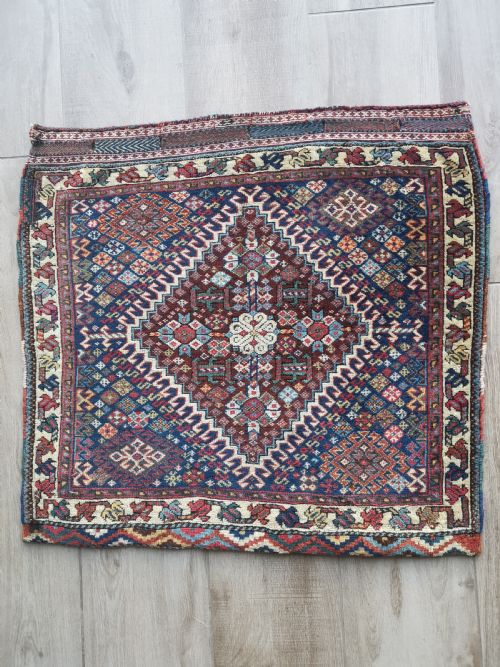
A traditional wool cushion on this page typically originates from repurposed tribal bag faces, kilims, and embroidered Swedish or French textiles spanning the nineteenth and early twentieth centuries. Buyers encounter Anatolian, Persian, and Central Asian nomadic weavings alongside European tapestry fragments mounted as soft furnishings.
The dominant forms include flatwoven kilim cushions, Qashqai and Yomut bag faces, and Aubusson tapestry pillows. These pieces translate utilitarian nomadic items and formal European weaves into decorative cushions suited to period and eclectic interiors.
How traditional wool cushion items are constructed
Construction relies heavily on wool, cotton, and linen yarns dyed with natural substances and woven on traditional vertical or horizontal looms. Many pieces incorporate supplementary weft techniques or intricate embroidery using wool and silk threads.
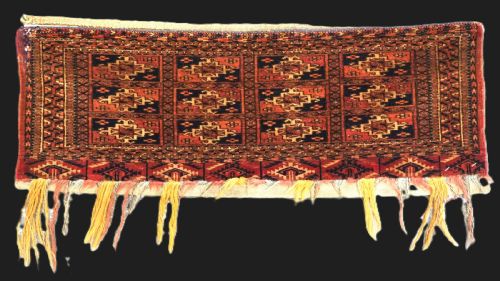
Makers often utilised fragments of older Persian tribal rugs, saddle bags, and torbas, backing them with sturdy cotton or linen fabrics. Finishing touches frequently include passementerie trim and period upholstery methods.
Nomadic weavers packed their worldly belongings into these very bags before modern hands turned them into scatter cushions.
What separates fine traditional wool cushion examples
Quality rests in the integrity of the original textile fragment, the density of the wool pile or flatweave, and the complexity of the natural dye palette. Tribal bag faces with crisp geometric motifs and high knot or weave counts sit at the upper end of the scale.
The skill involved in preserving and mounting antique textiles determines the longevity of the cushion. Expert hand-stitching to secure fragile edges and matching the backing fabric to the period of the front piece distinguish superior examples.
The Traditional Wool Cushion Glossary
- Bag face
- The decorative front panel of a nomadic storage sack, frequently repurposed into a cushion. These pieces display the primary tribal iconography and weaving skill.
- Kilim
- A flatwoven textile produced without a pile, commonly utilised for durable cushions. This technique yields crisp geometric patterns characteristic of Anatolian and Persian traditions.
- Torba
- A small storage bag produced by Turkmen tribes, often featuring distinctive gul motifs. Collectors prize these tribal weavings for their rich wool and deep natural dyes.
- Passementerie
- Elaborate trimmings such as edgings, braids, or tassels applied to furnishings. Such decorative elements finish the borders of European and tribal cushions alike.
Traditional Wool Cushion: Frequently Asked Questions
What is a traditional wool cushion made from?
These items incorporate wool, cotton, and linen, often sourced from nineteenth-century tribal weavings and European tapestries. Natural dyes provide the rich colour palette seen across the pieces.
Supporting materials include sturdy backing fabrics and traditional passementerie trim. Each cushion transforms historical textile fragments into functional soft furnishings.
How do I identify a tribal cushion?
Tribal cushions display characteristic geometric patterns, village motifs, and motifs derived from Persian, Anatolian, or Central Asian nomadic traditions. The flatwoven kilim structure and dense wool yarns indicate nomadic origins.
Many pieces utilise actual nineteenth-century bag faces or saddle bags. Examining the weave density and natural colour variations helps confirm the tribal provenance.
Where do Aubusson cushions come from?
Aubusson cushions originate from France, utilising woven tapestry fragments in the style associated with the Aubusson manufactory. These feature floral or chateau motifs distinct from tribal nomadic designs.
They offer a formal European aesthetic that contrasts with Persian and Anatolian tribal work. The wool and silk threads create subtle tonal shifts across the surface.
How should I care for antique wool cushions?
Gentle handling and professional textile cleaning preserve the fragile wool and natural dyes of these antique pieces. Keeping them out of direct sunlight prevents the fading of historical colours.
Regular light vacuuming through a mesh screen removes dust without damaging the weave. Proper care ensures the historic textiles remain stable during daily use.