






Bohemian Throw Cushion
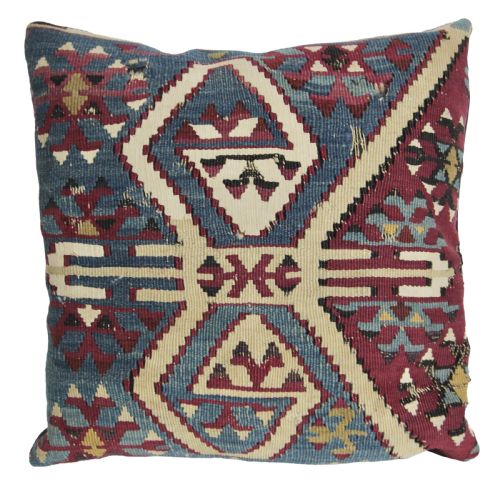
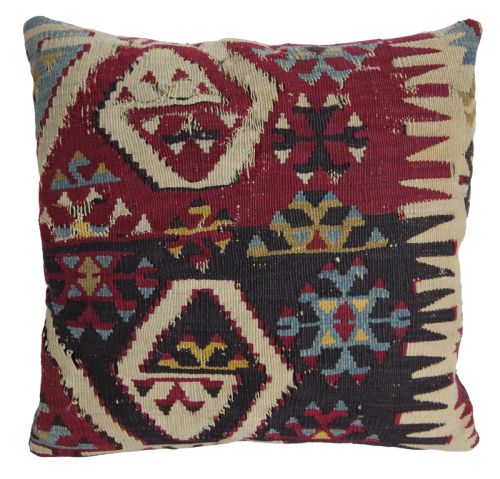
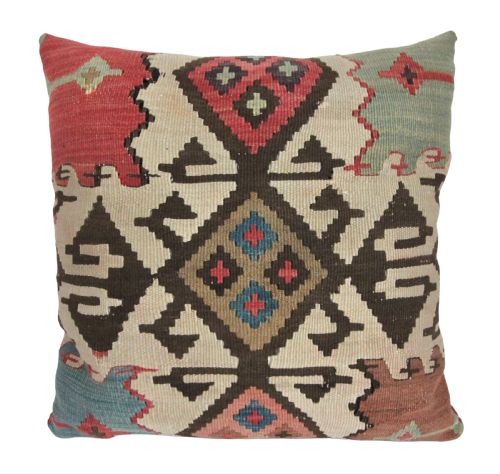
These bohemian throw cushion examples are formed from antique and vintage woven flatweaves, bringing rich textile history straight to your sofa.
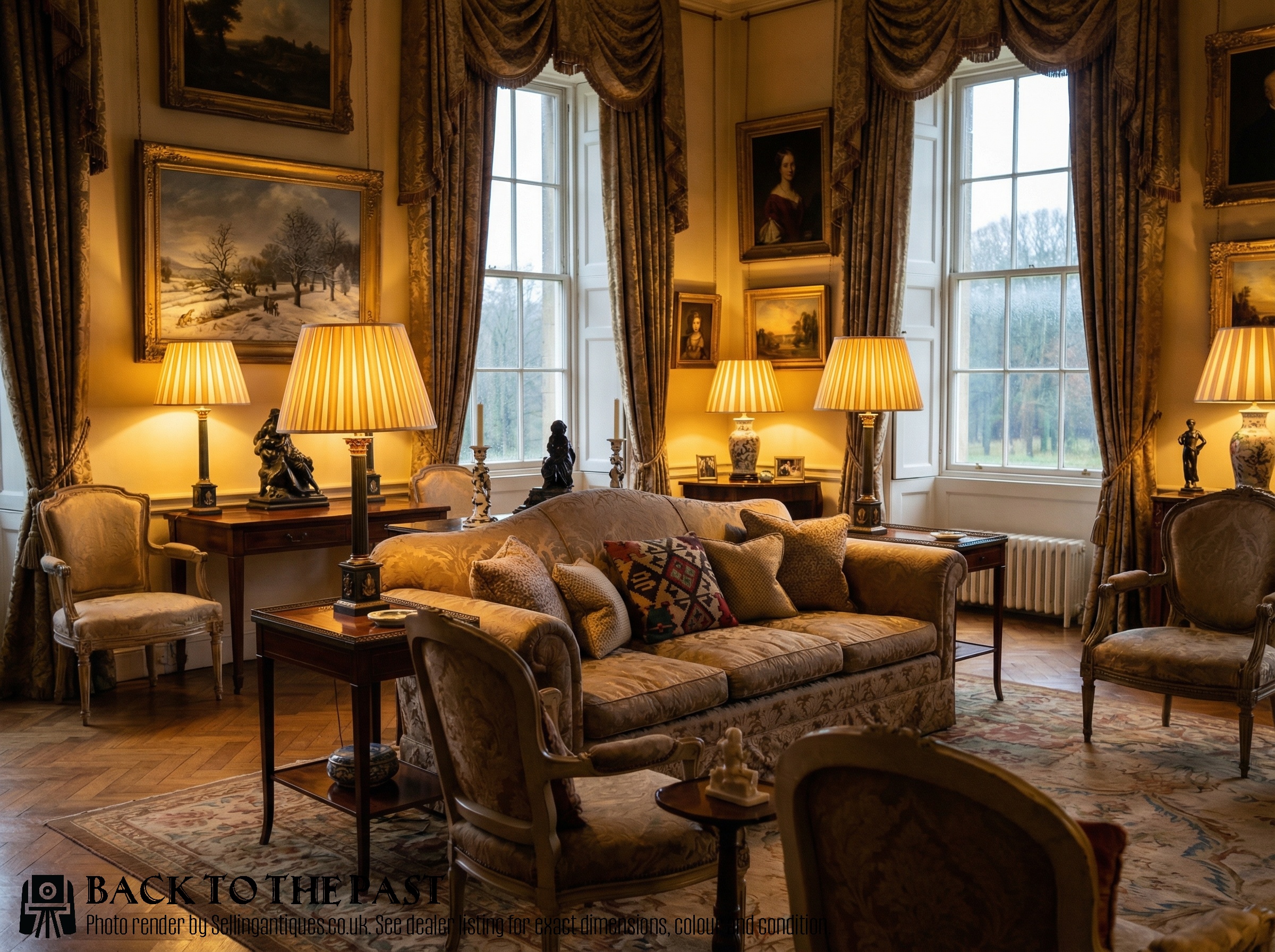
Bohemian Throw Cushion
When you search for a bohemian throw cushion, you are looking at decorative furnishings fashioned from repurposed antique and vintage tribal rugs, bags, and kilims. The selection on this page relies heavily on nineteenth-century and early twentieth-century Anatolian and Persian fragments, transformed into practical floor and sofa accessories.
You are most likely to encounter antique kilim cushions dating from the mid-nineteenth century, alongside early twentieth-century Baluch rug cushions and vintage carpet cushions. These pieces draw on traditional Anatolian, nomadic, and tribal designs, maintaining the geometric motifs of their original weavers.
The objects take the form of standard cushions while retaining the heavy flatweave structure of the nomadic textiles from which they are made. They serve as a direct link to nineteenth-century weaving traditions, adapted for modern domestic interiors without losing their rustic character.
How they were made
The materials recorded in these listings are strictly cotton and wool, reflecting the traditional fibres utilised by nomadic and tribal weavers. Wool provides the durable, dyed pile and flatweave face of the cushion, while cotton often supports the internal structure and backing.
The construction relies on hand-woven techniques, utilising antique rug fragments, bag faces, and kilim panels that are carefully selected and stitched into cushion forms. This method repurposes historical textiles into functional items while preserving the original hand-spun and dyed character of the wool.
Listings span the nineteenth and early twentieth centuries, featuring wool and cotton materials across Anatolian, Persian, and tribal styles.
What varies in quality
Quality also rests on the authenticity of the tribal patterns and the harmony of the wool yarns preserved from the nomadic weaving traditions. Stronger structural preservation of the historic weave elevates an individual piece above standard decorative cushions.
The Bohemian Throw Cushion Glossary
- Kilim
- A flatwoven carpet or rug produced in countries of the former Ottoman Empire, Persia, and Central Asia. These textiles lack a pile, making them suitable for flat-faced cushion conversion.
- Bag face
- The decorative front panel of a nomadic storage bag, hand-woven in wool and often featuring intricate tribal motifs. These panels are frequently repurposed into smaller decorative cushions.
- Baluch
- A style of rug and textile originating from nomadic groups inhabiting the borderlands of Iran, Afghanistan, and Pakistan. They typically feature deep, saturated colour palettes.
- Nomadic tribal
- A descriptor for textiles created by mobile pastoralist groups rather than settled town workshops. These designs reflect regional tribal heritage and traditional symbolism.
Bohemian Throw Cushion: Frequently Asked Questions
What is a bohemian throw cushion?
A bohemian throw cushion is a decorative soft furnishing made by repurposing antique and vintage flatwoven rugs, kilims, and tribal bag faces.
These pieces use historical wool and cotton textiles to create unique decorative accents for modern seating.
How old are these cushions?
The pieces span from the mid-nineteenth century through to the early twentieth century, incorporating historical textile fragments.
Specific dates depend on the source rug, with many listings drawing on material from the eighteen-fifties and eighteen-seventies.
What materials are used?
The construction relies entirely on traditional wool and cotton fibres.
Wool forms the patterned flatwoven face of the textile, while cotton typically supports the backing and internal structure.
Where do the designs come from?
The patterns originate from Anatolian, Persian, and nomadic tribal weaving traditions.
These designs feature geometric motifs and symbols passed down through generations of tribal makers.