


Vintage Nomadic Cushion
These vintage nomadic cushion pieces bring genuine tribal character into modern rooms through repurposed antique bags and rugs.
Vintage Nomadic Cushion
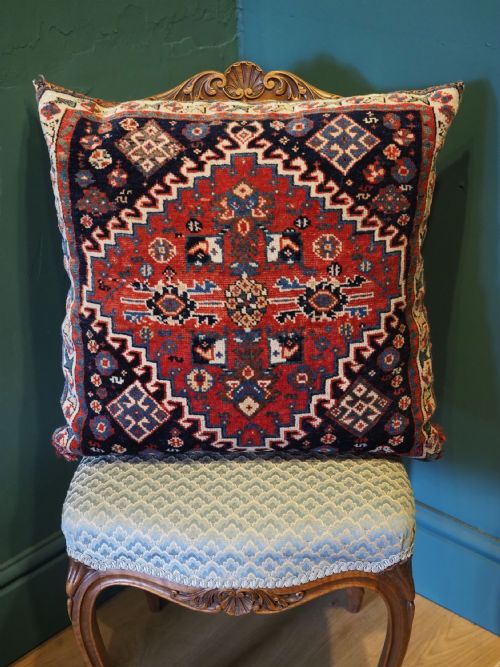
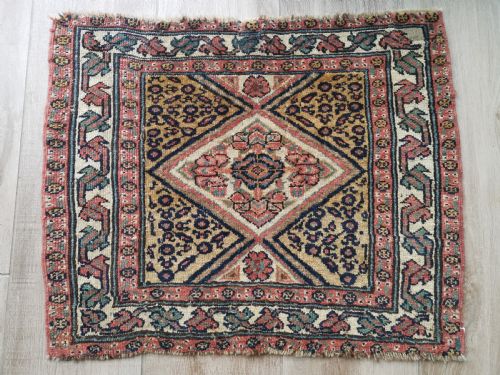
A vintage nomadic cushion typically originates from transformed tribal textiles, specifically repurposed bag faces, saddlebags, and storage sacks produced by nomadic weavers. These functional items from Persian, Turkmen, and Anatolian traditions find new life as decorative cushions in contemporary spaces.
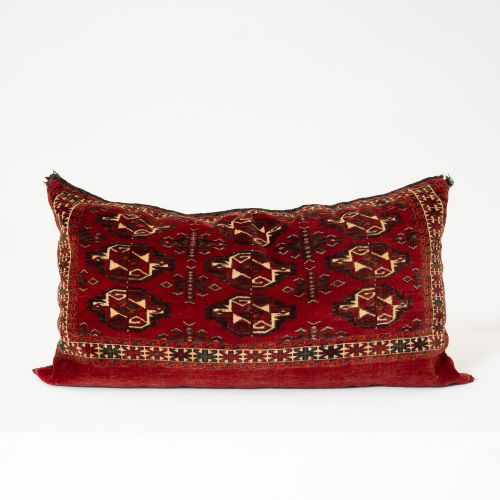
The pieces on this page span the nineteenth and early twentieth centuries, featuring distinct tribal forms like Turkmen torbas, Qashqai bag faces, and Kurdish tachehs. Buyers encounter authentic hand-woven structures that retain their original geometric motifs and utility roots.
What varies in quality
The quality of a vintage nomadic cushion rests upon the handle and lustre of the wool, where superior fleece retains natural oils that yield a deep glow. Finer knots and precise symmetry in tribal patterns elevate certain bag faces above simpler utilitarian pieces.
Preservation of the original weave and the depth of natural dye saturation distinguish the finer examples. Pieces that maintain their structural integrity without heavy modern restoration command closer attention from discerning collectors.
Nomadic weavers often included deliberate minor irregularities in their geometric patterns to ward off the evil eye.
The Vintage Nomadic Cushion Glossary
- Bag face
- The decorative front panel of a nomadic storage sack or saddlebag, which is frequently repurposed into a cushion. These panels display the primary tribal patterns.
- Chuval
- A large Turkmen tent-storage bag woven for household goods and bedding. Their substantial size makes them ideal sources for large cushion conversions.
- Torba
- A smaller Turkmen storage bag used traditionally for hanging inside the yurt. They present compact, highly detailed geometric designs.
- Tacheh
- A traditional wheat-sack or grain bag woven by Lori and Bakhtiari tribes. These utility sacks feature sturdy banded weft work and rustic charm.
- Boteh
- A stylised almond or paisley motif found frequently in Persian tribal weaving. This ancient symbol represents fertility and life.
Vintage Nomadic Cushion: Frequently Asked Questions
How are these cushions made from old bags?
Historic tribal storage bags and saddlebags are carefully cleaned and backed with complementary fabrics to create functional cushions. The decorative front panels, originally used by nomads for transport and storage, remain untouched to preserve the antique textile.
This conversion process gives fragile or orphaned bag faces a practical purpose in modern interiors while protecting their textile heritage.
Where do these tribal cushions originate?
The pieces originate from tribal and nomadic groups across Persia, Anatolia, and Turkmenistan. Specific regions include Fars Province, Luristan, and the Chahar Mahal valley.
Each tribal group utilised distinct patterns, wool qualities, and colour palettes, allowing knowledgeable collectors to trace a piece's geographical roots.
How do I care for a antique wool cushion?
Gentle vacuuming through a mesh screen helps remove dust without damaging the antique wool fibres. Professional textile cleaning is recommended for any deeper maintenance.
Keeping the cushion away from direct, harsh sunlight prevents the natural dyes from fading over time.
Are the backs of the cushions antique?
Some pieces retain their original plain-weave wool or goat hair backs from their time as storage sacks. Others utilise newly added traditional textiles or period-appropriate fabrics to ensure durability as cushions.
Individual listings specify whether an original back remains intact on the piece.