


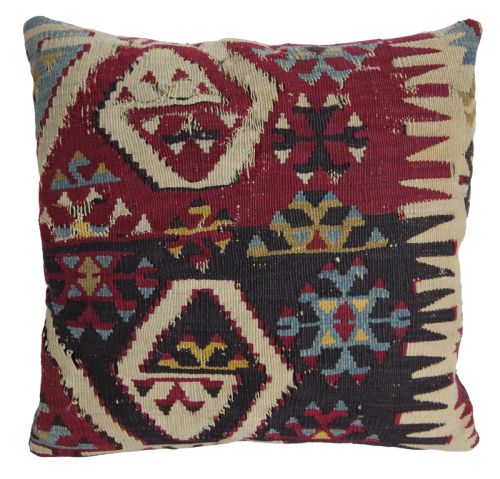


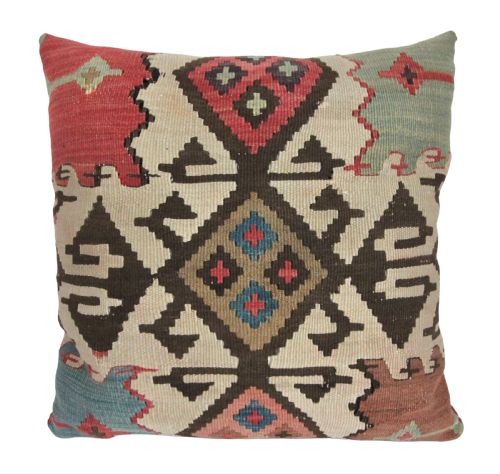
Oriental Pillow Cover
An oriental pillow cover brings nomadic textile history directly into a modern room, offering authentic tribal character and rich texture.
Oriental Pillow Cover
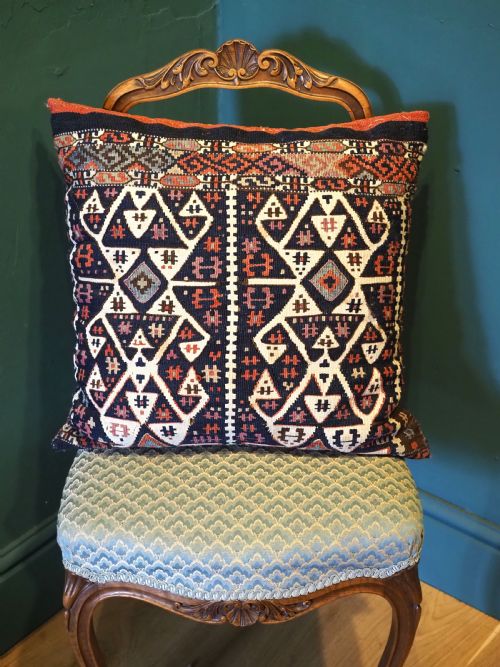
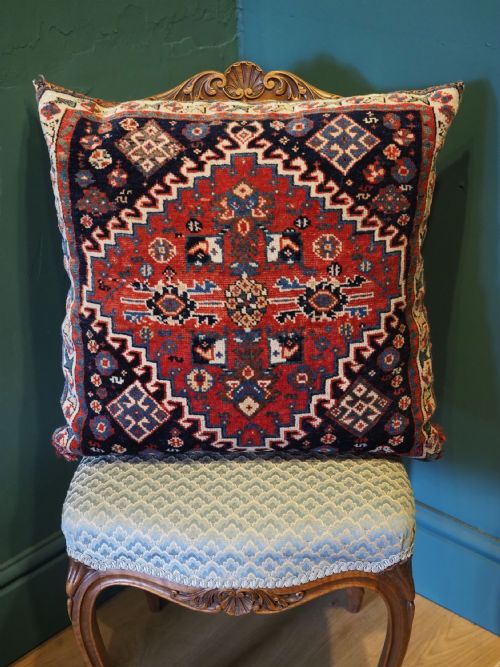
When you search for an oriental pillow cover, you encounter repurposed tribal textiles originating from nomadic weaving traditions across the Near East and Central Asia. These items utilise authentic fragments, including saddle bags, torbas, chuvals and bag faces, which have been carefully converted into functional cushions.
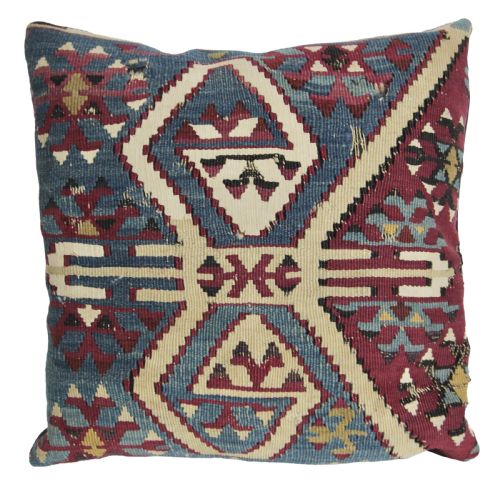
The pieces appearing on this page span the mid-nineteenth century through the early twentieth century, capturing periods from eighteen-fifty to nineteen-twenty. You will frequently find plain kilim cushions alongside intricate tribal bag faces bearing traditional Anatolian, Persian, Turkmen, and Shahsevan designs.
Nomadic groups such as the Qashqai, Yomut, Ersari, Baluch, and Kurdish weavers created the original flatwoven and piled textiles. These functional containers were later adapted into scatter cushions and throw pillows to preserve ancient weaving art.
Distinctions in quality and execution
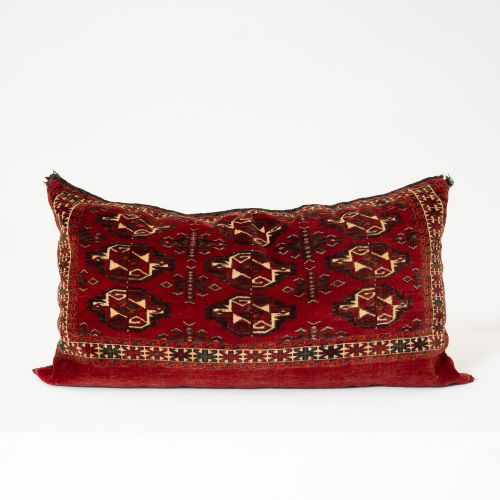
Quality rests primarily in the fineness of the weave, the complexity of tribal motifs such as the kepse gul design, and the clarity of natural dye colours. Finer wool preparation and tighter knotting or weaving density separate superior antique bag faces from simpler, coarser examples.
Condition and integrity of the original textile fragment dictate the overall standard of the piece. Well-preserved tribal faces with complete borders and minimal structural intervention command greater appreciation among collectors of nomadic textiles.
Nomadic weavers packed their entire worldly belongings into these very bags before they found a second life as scatter cushions.
The Oriental Pillow Cover Glossary
- Kilim
- A flatwoven textile produced by tightly interweaving warp and weft strands to create a smooth surface without a pile. This technique allows for sharp geometric patterns.
- Chuval
- A large storage bag traditionally woven by Turkmen nomads for household use inside a yurt. These bags feature distinctive regional motifs and rich wool.
- Gul
- A medallion motif repeated across Turkmen and tribal carpets and bag faces. Each design indicates specific tribal lineage and heritage.
- Bag face
- The decorative front panel of a nomadic utility bag. Collectors prize these surviving sections for their concentrated design work.
Oriental Pillow Cover: Frequently Asked Questions
What is an oriental pillow cover made from?
These covers are constructed using hand-spun wool and cotton. Natural dyes provide the rich colours seen across the textiles.
Many examples incorporate repurposed antique tribal bag faces and kilim fragments. These textiles originate from nineteenth and early twentieth-century nomadic traditions.
How do I care for my pillow cover?
Gentle treatment preserves the natural wool fibres and historic natural dyes. Vacuuming with care or professional textile cleaning is recommended.
Avoid direct, harsh sunlight to prevent fading of the antique dyes. Gentle handling ensures the longevity of these historic woven pieces.
Are these covers made from authentic antique textiles?
The listings feature genuine antique materials dating from eighteen-fifty to nineteen-twenty. These authentic fragments come from traditional nomadic weaving regions.
Weavers from groups such as the Turkmen, Qashqai, and Shahsevan created the original utilitarian bags. These textiles are subsequently adapted into cushion covers.
How do I identify different tribal designs?
Tribal designs often feature specific medallion motifs known as guls, which identify particular nomadic groups. Colour palettes and weaving structures also point to specific regions like Anatolia or Azerbaijan.
Examining the structural weave helps distinguish between flatwoven kilims and piled bag faces. Each tribal group maintained distinct aesthetic traditions.