



Geometric Tribal Cushion
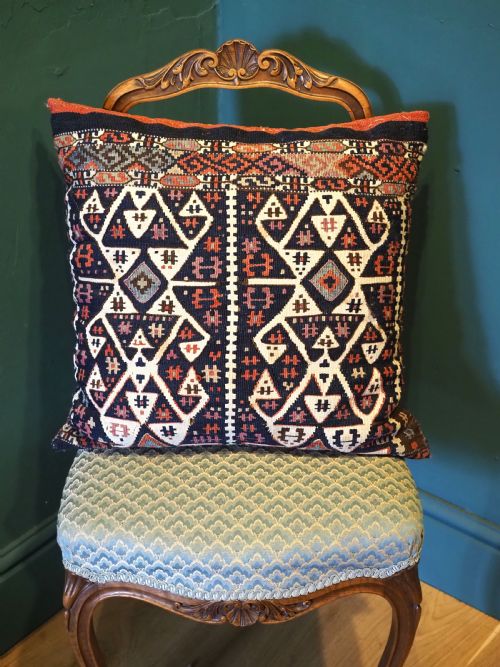
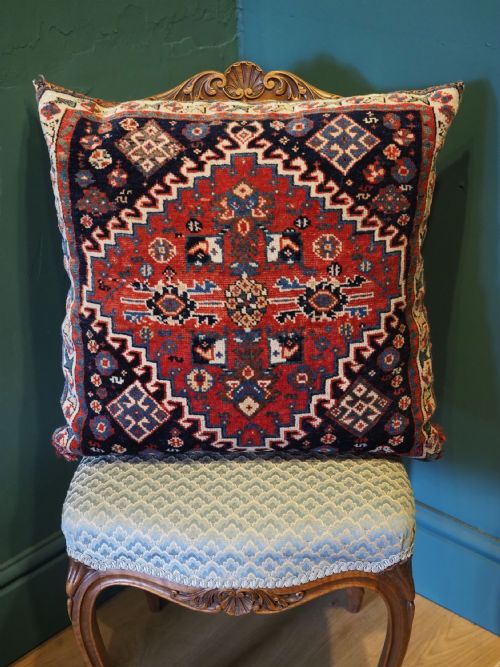
These geometric tribal cushion examples bring authentic nomadic weaving and village craft into modern interiors.
Geometric Tribal Cushion
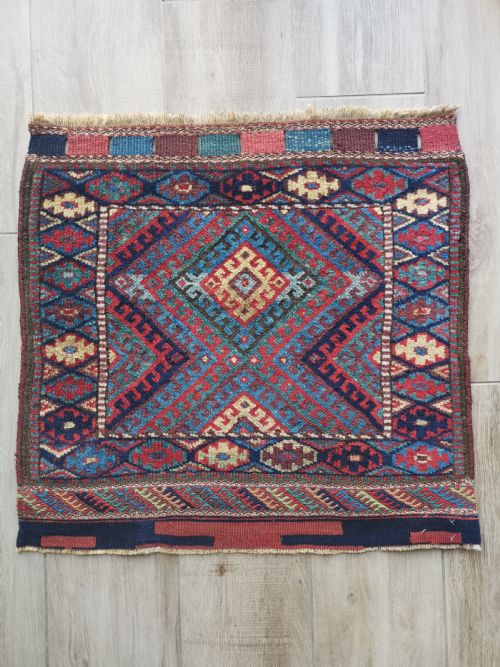
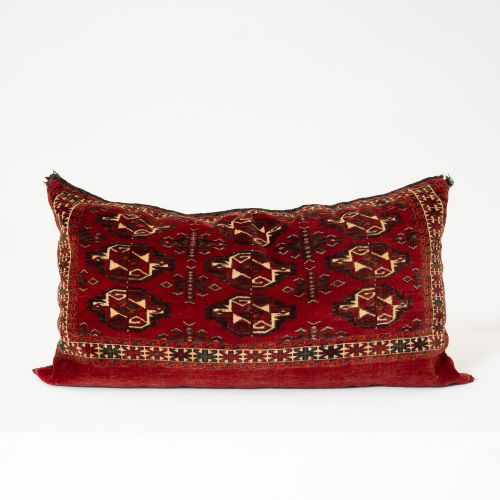
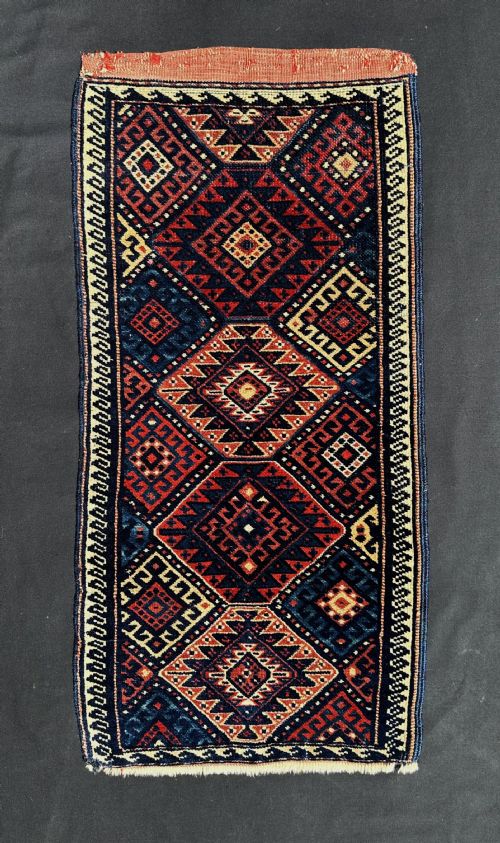
A geometric tribal cushion represents transformed fragments of old utility bags, saddlebags, and storage pieces created by nomadic and village weavers across Persia, Anatolia, and Central Asia. These textiles originate from nineteenth and early twentieth-century tribal groups such as the Qashqai, Baluch, Shahsavan, and Kurdish confederations who wove functional items for daily nomadic life. Today, these historic weavings find new life repurposed as decorative cushions and pillows for domestic interiors.
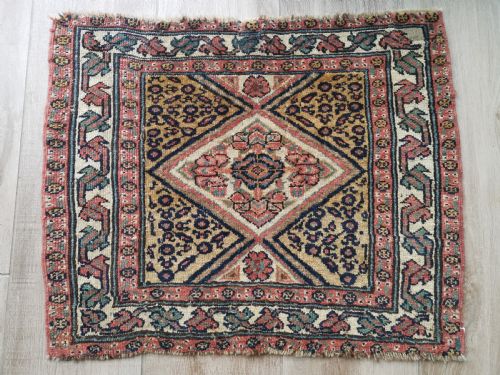
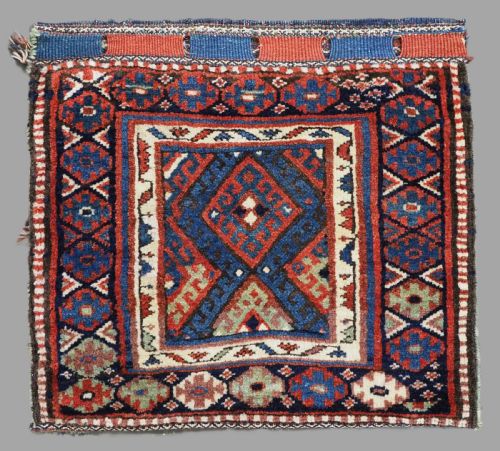
The most common formats on this page include converted bagfaces, saddlebag halves, and kilim fragments that preserve original front panels worked in flatweave or pile techniques. Pieces often retain portions of their original plain weave wool or cotton backs, maintaining the authentic character of utilitarian storage sacks and transport bags. Sizes vary from compact square pillow formats to rectangular formats derived from traditional bag proportions.
How they were made
Weavers relied on hand-spun wool for durability and structural integrity, combining it with cotton foundations or structural elements depending on regional tradition. Natural dyes derived from roots, plants, and insects provided rich colour palettes that aged with distinct patination over decades of use. Techniques spanned supplementary weft work, slit-tapisserie kilim weaving, and dense geometric pile knotting.
The construction of a geometric tribal cushion depends entirely on the survival of original textile fragments, which workers reinforce and back for modern use. Artisans stitch these historic rug faces and bag panels together using sturdy textiles, preserving structural motifs like medallions, latch-hooks, and diagonal bands.
Geographic origins span Persian, Anatolian, and Turkmen tribal territories represented through bagfaces and rug fragments.
What varies in quality
Quality rests upon the crispness of the tribal design, the complexity of the geometric layout, and the saturation of natural dyes. Pieces displaying precise symmetry and tight knotting or weaving density occupy the upper tier of craftsmanship. The survival condition of the wool pile or flatweave surface directly influences desirability.
The integrity of the original tribal fragment determines its standing among collectors. Examples retaining complete borders, balanced proportions, and minimal structural intrusion command greater attention than heavily patched or compromised fragments.
The Geometric Tribal Cushion Glossary
- Bagface
- The decorated front panel of a nomadic storage sack or saddlebag. This section carries the primary geometric patterns and tribal iconography.
- Kilim
- A flatwoven textile produced without pile by tightly interlocking warp and weft threads. This technique creates a lightweight fabric utilised extensively for bags and covers.
- Soumac
- A wrapping technique producing decorative surface patterns resembling embroidery. It provides raised texture and structural firmness to nomadic bags.
- Warp
- The vertical foundation threads stretched lengthwise on the loom. Weft threads pass horizontally through these warp threads to form the cloth.
- Yastic
- A traditional small Turkish or Anatolian pillow or cushion used for seating. These pieces often exhibit distinctive regional tribal patterns.
Geometric Tribal Cushion: Frequently Asked Questions
What is a geometric tribal cushion?
A geometric tribal cushion is a decorative home accessory fashioned from historic nomadic weavings, such as nineteenth-century saddlebag faces and storage bag fragments.
These items repurpose authentic village and tribal textiles from regions including Persia and Anatolia into functional square or rectangular pillows.
How were original tribal bags used?
Nomadic tribes utilised these woven containers for transporting and storing grain, clothing, and household possessions during seasonal migrations.
Mounted across pack animals or kept inside tents, items like saddlebags and storage sacks combined daily utility with symbolic tribal designs.
How do I care for a textile cushion?
Maintain these antique wool and cotton textiles by gently vacuuming with a low suction attachment without a rotating brush.
Professional specialist cleaning is recommended for any deeper maintenance to protect natural dyes and fragile historic fibres.
How are tribal regions identified?
Regional attribution relies on specific structural characteristics, palette choices, and distinct geometric motifs tied to particular nomadic confederations.
Weaving habits of groups like the Baluch, Qashqai, or Shahsavan leave characteristic markers in the wool quality and border arrangements.