


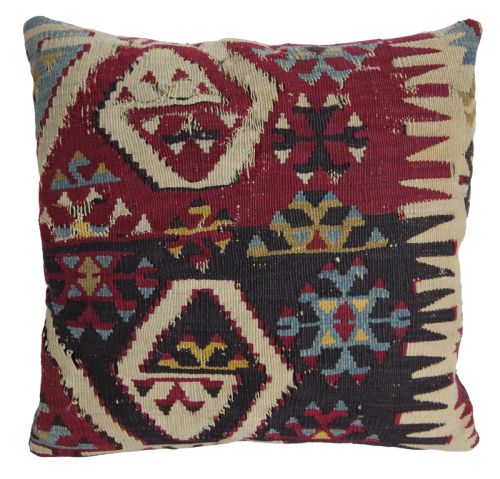


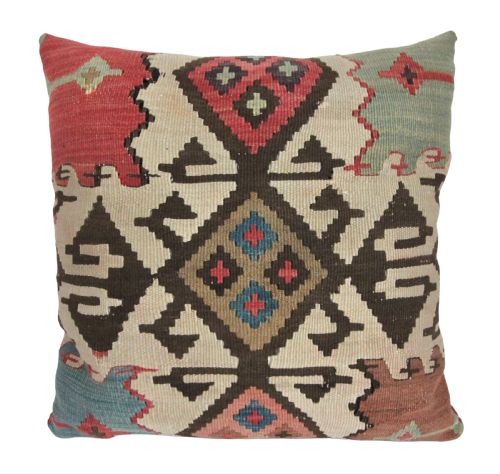


Handwoven Oriental Pillow
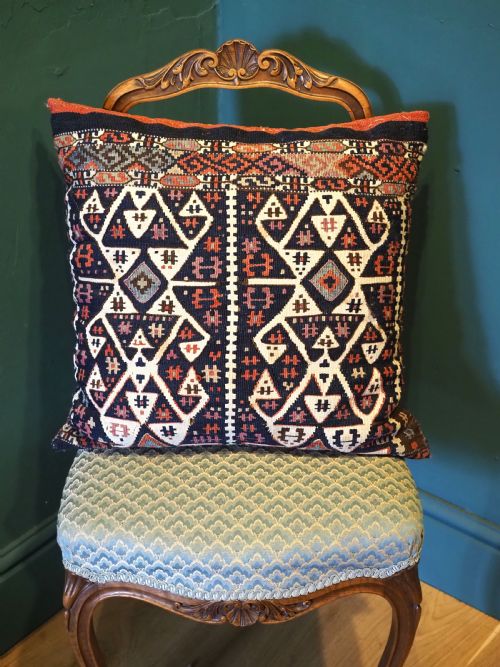
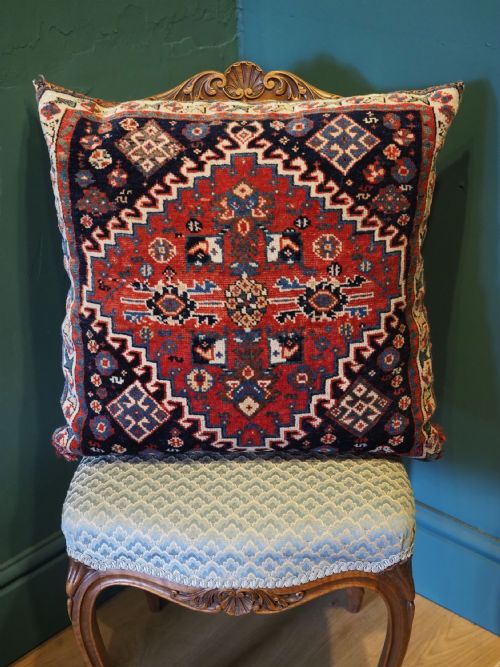
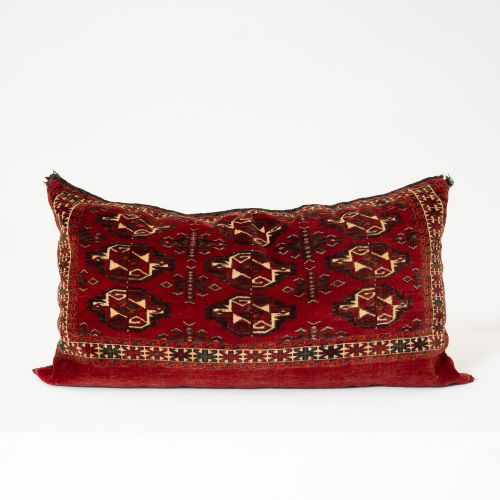
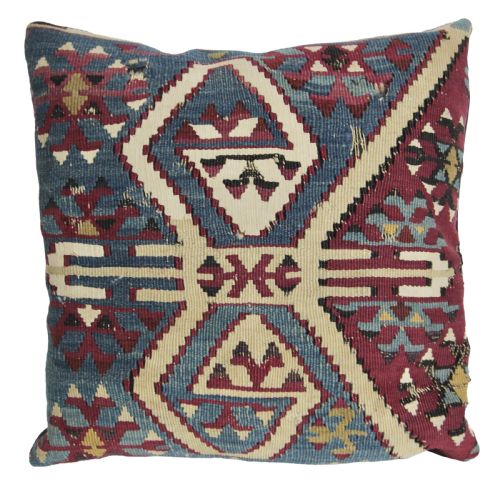
These handwoven oriental pillows are repurposed tribal bag faces and kilims that bring rich texture and nomadic history to any seating arrangement.
Handwoven Oriental Pillow
When you search for a handwoven oriental pillow, you encounter textiles originating from tribal and nomadic traditions across Anatolia and Turkmenistan. The pieces available here consist largely of kilim cushions, bag face cushions, and saddle bag carpets dating from the nineteenth and early twentieth centuries.
Most examples derive from specific weaving traditions including Anatolian tribal, Qashqai, Yomut, and Kurdish groups. These items transform utilitarian storage bags and flatweaves into decorative cushions whilst retaining their original structural character.
The assortment spans diverse periods from eighteen-fifty up to nineteen-twenty, offering distinct regional patterns and weave structures. Each cushion reflects the utilitarian heritage of nomadic life adapted for contemporary domestic interiors.
Materials and construction methods
The fundamental materials recorded in these pieces are wool, cotton, and hand-spun wool. Weavers utilised these natural fibres to create durable flatweaves and pile carpets that could withstand the rigours of nomadic existence.
Construction typically involves traditional flatweaving techniques such as kilim work, alongside pile-woven bag faces and saddle bag fragments. These textile segments are subsequently backed and stuffed to form functional cushions while preserving the historical front panels.
Factors that distinguish individual examples
Quality in these textiles rests upon the fineness of the weave, the clarity of tribal motifs such as the kepse gul design, and the integrity of the surviving textile surface. Well-preserved bag faces exhibit tighter knotting and more precise geometric patterning.
The source material also dictates distinction, as early hand-spun wool displays varied depth of colour and textural variation compared to later productions. The preservation of original edges and balanced proportions contributes significantly to the visual weight of each cushion.
The Handwoven Oriental Pillow Glossary
- Kilim
- A flatwoven carpet or rug produced by tightly interweaving warp and weft strands without creating a pile. This technique produces a flat, durable textile suitable for both flooring and cushion conversion.
- Chuval
- A large tent bag made by Turkmen tribes for household storage. Surviving fragments often feature distinct gul patterns and are repurposed into decorative cushions.
- Torba
- A smaller storage bag traditionally used within nomadic tents. Examples like the Yomut torba display intricate geometric designs that translate effectively onto cushion faces.
- Bag Face
- The decorative front panel of a nomadic storage sack. These panels are prized for displaying the most accomplished weaving and design work of the original piece.
- Gul
- A medallion-like primary motif repeated across Turkmen and other tribal carpets. This design element provides structural rhythm and regional identification to the textile.
Handwoven Oriental Pillow: Frequently Asked Questions
What is a handwoven oriental pillow?
These items are decorative cushions created from authentic nineteenth and early twentieth-century tribal textiles. They repurpose flatweaves, saddle bags, and bag faces from nomadic traditions into functional home accessories.
Each piece retains the original wool or cotton materials and traditional motifs woven by Anatolian and Turkmen makers. This transforms historical utilitarian items into practical cushions for daily use.
How were these tribal textiles used?
Nomadic groups utilised bags and flatweaves primarily for storage and transport within tents and during seasonal migrations. Items such as chuvals and torbas held possessions while adding warmth and decoration to the living space.
Over time, surviving fragments of these durable carriers are converted into cushions. This practice preserves the textile art while adapting it for modern seating.
How do I care for a antique cushion?
Maintenance requires gentle handling to protect the aged wool and cotton fibres. Regular light vacuuming without a beater bar helps remove dust trapped in the weave.
Professional textile cleaning is recommended for deeper maintenance to prevent damage to the historic structure. Keeping them away from direct sunlight preserves the natural dyes.
How can I tell different tribal designs apart?
Tribal attribution relies on distinctive motifs, colour palettes, and weaving structures specific to each group. For instance, Turkmen pieces frequently feature geometric gul medallions, whereas Anatolian kilims display traditional regional patterns.
Examining the handling of the hand-spun wool and the specific flatweave technique provides further clues to regional origins. Each weaving tradition carries unique visual markers developed across generations.