


Red Tribal Rug Pillow
These red tribal rug pillow pieces bring nomadic textiles into modern rooms as tactile cushions and floor accents.
Red Tribal Rug Pillow
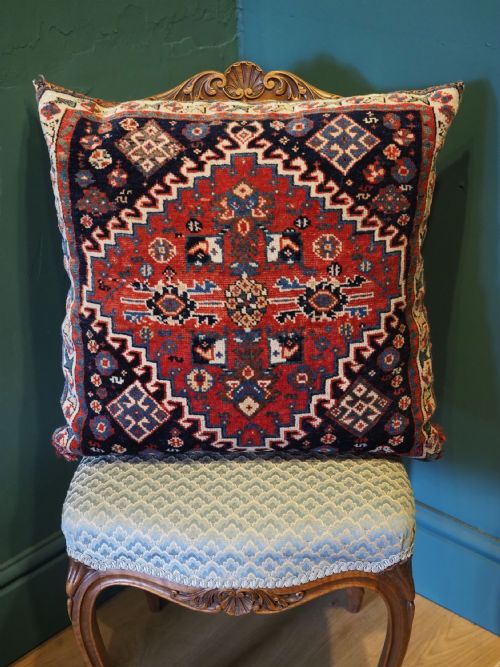
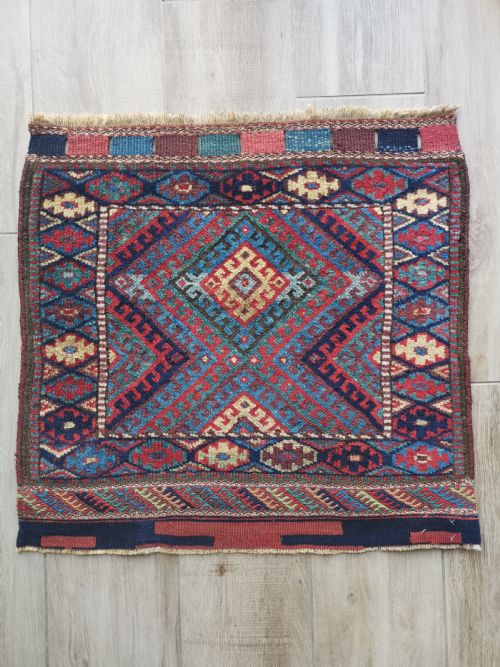
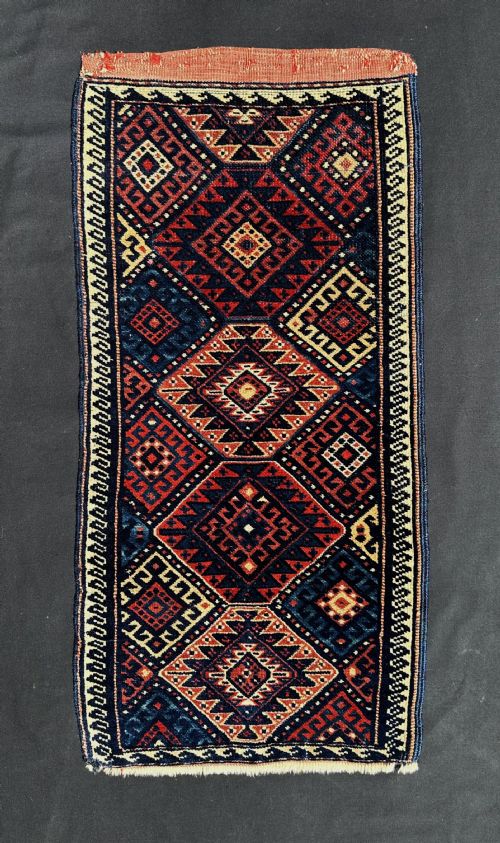
When you search for a red tribal rug pillow, you encounter transformed fragments of nineteenth and early twentieth-century nomadic textiles. These items originate as utilitarian storage sacks, saddlebags, torbas, and chuvals made by tribal weavers across Persia, Anatolia, and Central Asia. Artisans repurpose these authentic bag faces and flatweaves into decorative cushions for domestic use.
The objects appearing here showcase specific regional traditions such as Turkmen, Qashqai, Baluch, and Shahsevan tribal weaving. You meet pieces spanning from the mid-nineteenth century through the early twentieth century, retaining their original wool pile or flatweave structures. Each cushion preserves historical tribal patterns translated from nomadic utility into interior furnishings.
Materials and Construction
The foundation of these textiles relies on hand-spun wool for both the pile and the structural warps and wefts, sometimes paired with cotton. Weavers utilise natural dyes to achieve deep red tones and contrasting geometric motifs across the surface. These organic colourants yield varied patinas that develop distinct character over decades of exposure.
Makers construct the original bags using diverse techniques, including knotted pile and banded flatweave structures like kilim or sumak. Modern adaptation typically involves mounting these historical bag faces onto sturdy cotton or wool backs to form functional cushions.
Nomadic weavers packed these bags with grain and bedding on camelback before they became your sofa cushions.
Evaluating Quality and Authenticity
Quality rests upon the integrity of the original textile and the fineness of the weave. Tighter knotting and precise geometric drawing separate superior nomadic work from simpler regional production. The depth and clarity of the natural dyes further elevate the standing of a textile.
Preservation of the pile or flatweave surface dictates the desirability of the piece. Strong structural survival of the original bag face, combined with thoughtful conversion into a cushion, defines the upper tier of these items.
The Red Tribal Rug Pillow Glossary
- Chuval
- A large Turkmen tent storage bag used for bedding and household goods. These form prominent cushions when adapted.
- Torba
- A smaller Turkmen storage bag traditionally hung against yurt walls. Their face designs translate directly into compact cushion formats.
- Balisht
- A traditional Persian word for a pillow or small sleeping bag. Examples include distinct tribal face designs.
- Gul
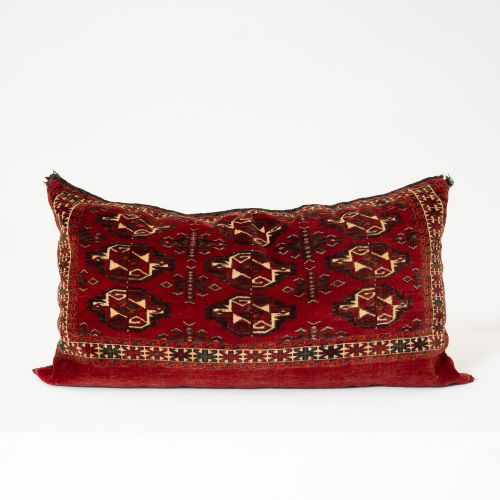
- A repeating medallion motif found across Turkmen and Central Asian weaving traditions. Each tribe utilises characteristic forms of these guls.
- Mafrash
- A rectangular storage sack or bedding chest panel woven by nomadic groups. Fragments of these provide durable flatweave cushion surfaces.
Red Tribal Rug Pillow: Frequently Asked Questions
What is a tribal rug pillow?
A tribal rug pillow is formed by repurposing antique nomadic storage bags, saddlebags, and tent bands into decorative cushions.
These textiles originate from nineteenth and early twentieth-century tribal groups in Persia, Anatolia, and Central Asia.
How do I care for antique wool cushions?
Protect antique wool textiles by keeping them out of direct sunlight to prevent natural dye fading. Gentle vacuuming through a mesh screen helps remove dust without disturbing the pile.
Avoid chemical cleaners and professional washing unless handled by a specialist familiar with antique nomadic rugs.
Are these cushions made from authentic rugs?
These items utilise genuine nineteenth and early twentieth-century nomadic bag faces, torbas, and flatweaves rather than newly manufactured rugs.
Craftsmen mount these historic textile fragments onto supportive backing fabrics to create usable cushions.
How can I tell different tribal designs apart?
Turkmen pieces frequently display repeating octagonal medallion motifs known as guls on deep red grounds. Persian tribal pieces like Qashqai or Baluch feature more varied geometric field patterns and animal or plant stylisations.
Examining the weave structure and colour palette helps attribute pieces to specific regional groups.