



Red Woven Wool Cushion
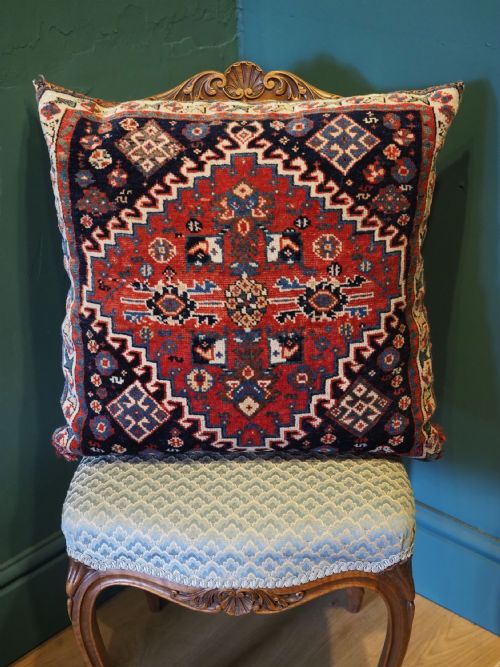
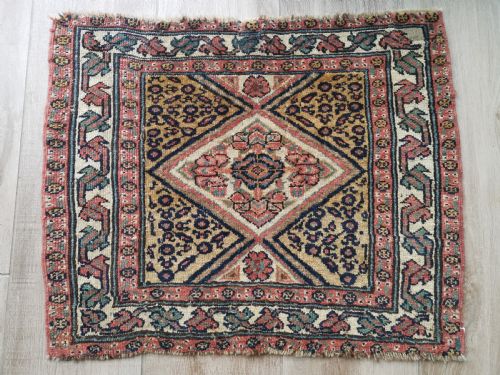
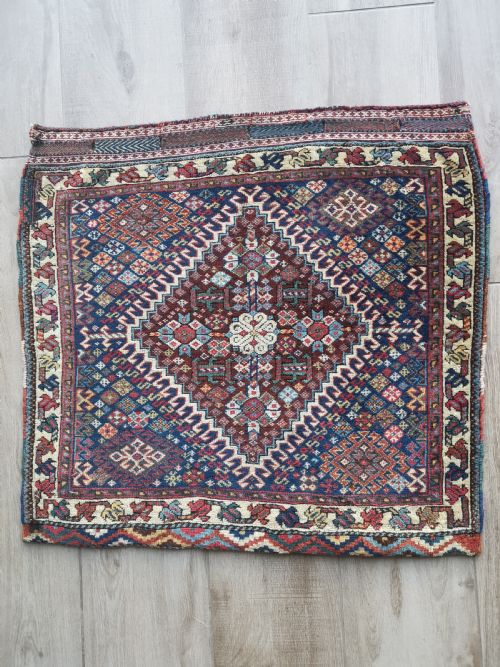
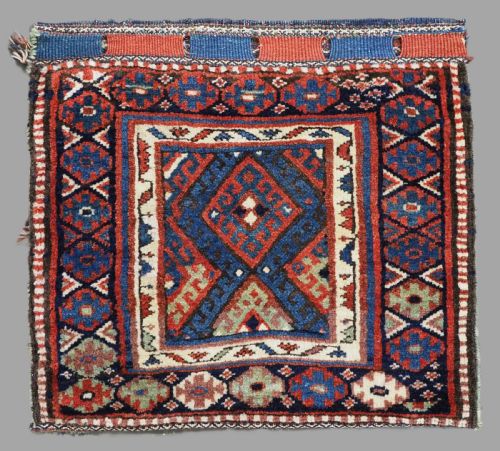
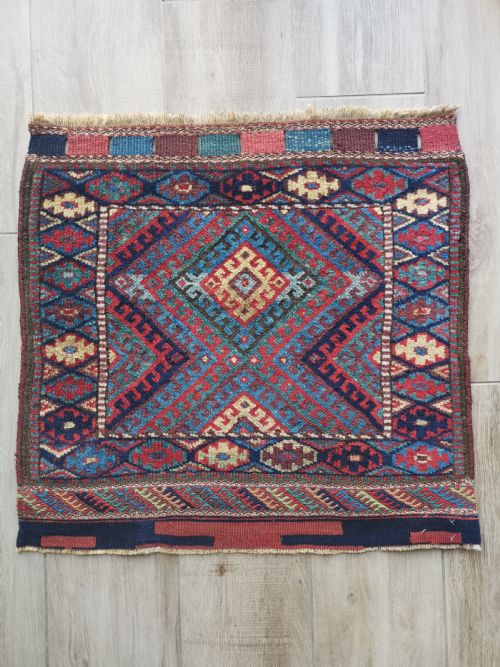
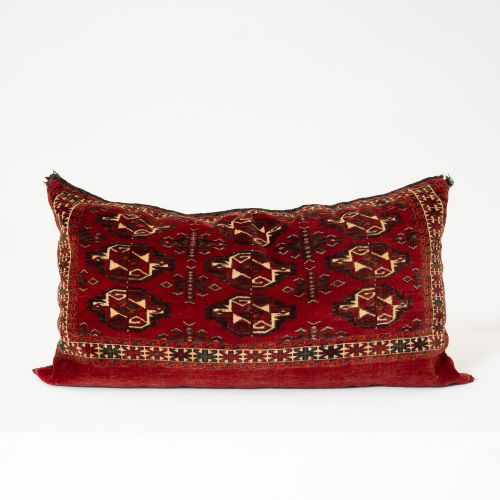
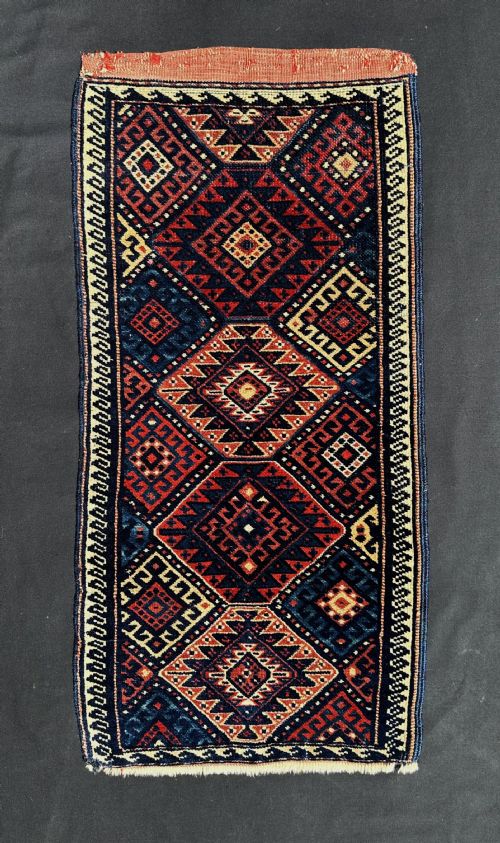
When you search for a red woven wool cushion, you are looking at repurposed tribal bag faces and flatweaves that bring rich, nomadic textiles directly into your interior.
Red Woven Wool Cushion
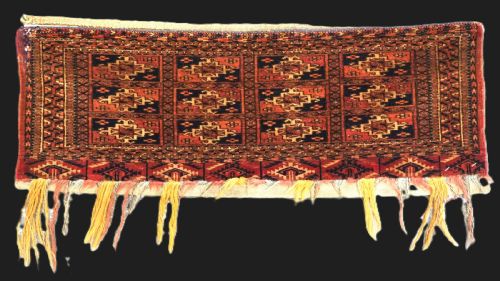
The format typically utilises the decorative face of a torba, chuval, or saddlebag, often backed with complementary woven cloth to form a functioning cushion. Buyers encounter formats ranging from square pillow configurations to longer bolster proportions derived from grain bags and vanity cases. Each piece preserves the utilitarian artistry of tribal life, translating nomadic utility into decorative home furnishings.
Materials and Construction
The textiles rely heavily on wool and hand-spun wool, occasionally incorporating natural goat hair for structural durability in the foundation or edges. Artisans constructed these pieces using traditional tribal weaving techniques, including pile knots and flatweave structures like kilim or weft-work. The tactile quality comes directly from the density of the wool and the handling of the threads during weaving.
Colouring is achieved through natural dyes and vegetable dyes, which impart deep red tones and varied secondary hues that mellow gradually over time. These organic colourants interact with hand-spun wool to create subtle tonal shifts across the surface of the textile. The integration of wool and natural dyes defines both the physical substance and the visual depth of every cushion.
Many cushions still carry the rugged flatweave backs and tassels intended to survive swaying camel saddles on dusty nineteenth-century migration routes.
Judging Quality
Quality rests in the integrity of the original tribal weaving, the richness of the natural dye palette, and the condition of the wool pile or flatweave surface. Tightly spun wool and finely knotted or woven structures indicate superior craftsmanship by the tribal maker. The depth and complexity of the red tones, achieved through skilful application of vegetable dyes, separate standard items from exceptional examples.
The preservation of the textile's structural integrity, including original side cords and complete design fields, marks the higher end of the range. Additionally, the proportion and clarity of traditional tribal motifs, such as guls or boteh designs, influence the overall visual impact of the finished cushion.
The Red Woven Wool Cushion Glossary
- Bagface
- The decorative front panel of a nomadic storage bag or saddlebag. This panel is the primary source material utilised for creating these cushions.
- Torba
- A small storage bag produced by Turkmen tribes, traditionally used for household storage inside a yurt. Their characteristic faces form many of the rectangular cushions found here.
- Chuval
- A large Turkmen tent storage bag used for bedding and bulky possessions. The face of a chuval provides a generous canvas for repeating tribal guls.
- Gul
- A medallion-like primary motif found in Turkmen and other Central Asian tribal carpets and bags. These repeating octagonal or geometric guls anchor the design of the textile.
- Flatweave
- A textile produced without pile by interweaving warp and weft threads directly. Pieces like kilims and certain bag backs rely entirely on this technique.
Red Woven Wool Cushion: Frequently Asked Questions
What is a red woven wool cushion?
These cushions are decorative soft furnishings made by mounting antique tribal bag faces, grain sacks, and flatweaves onto supportive fabric backs. They transform utilitarian nomadic textiles into usable home accessories.
Each item retains the authentic wool and dye characteristics of its original tribal context, whether originating from Persian confederations or Central Asian steppes.
How were these bags originally used?
Nomadic tribes utilised woven bags for storage, transporting goods, and housing household possessions within tents or during migrations. Pieces like torbas and chuvals held bedding, clothing, and grain.
Saddlebags carried personal items across vast distances, meaning the textiles were engineered for daily endurance and practical utility.
How do I care for an antique wool cushion?
Gentle treatment preserves the natural wool fibres and vegetable dyes over years of domestic use. Regular light vacuuming without a rotating brush removes surface dust effectively.
Professional specialist cleaning is recommended for any deeper maintenance, avoiding standard washing methods that could damage the antique textile structure.
How can I tell different tribal designs apart?
Tribal attribution relies on specific structural motifs, colour combinations, and weaving techniques characteristic of particular regions. For instance, Turkmen groups frequently employ distinct guls, while Qashqai and Baluch pieces often display specific geometric or figurative elements.
Examining the border arrangements and secondary colours helps clarify the geographic and cultural origin of the textile.