


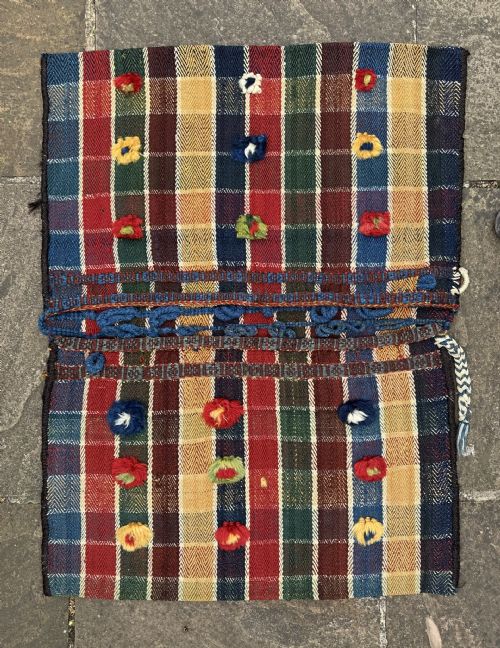


Persian Rug Pillow
A persian rug pillow brings authentic tribal textiles into a modern room, offering nomadic patterns and rich textures fashioned from antique fragments.
Persian Rug Pillow
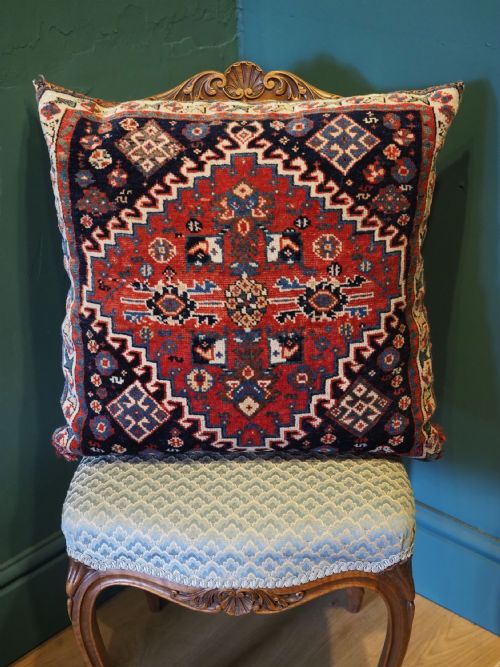
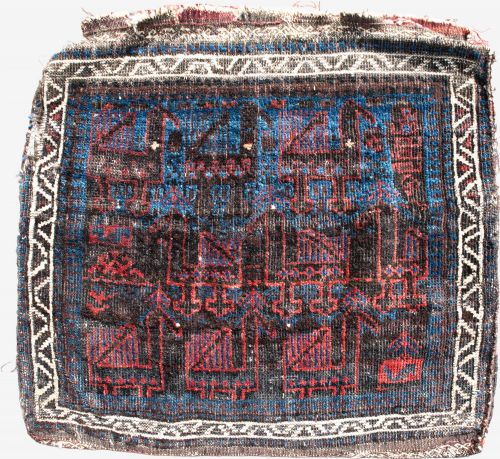
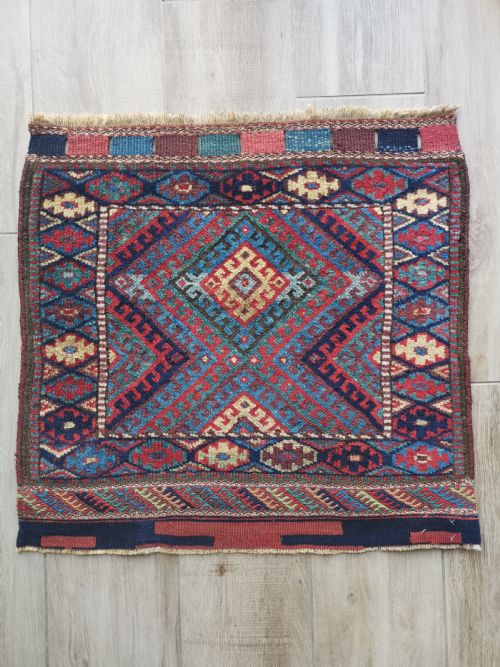
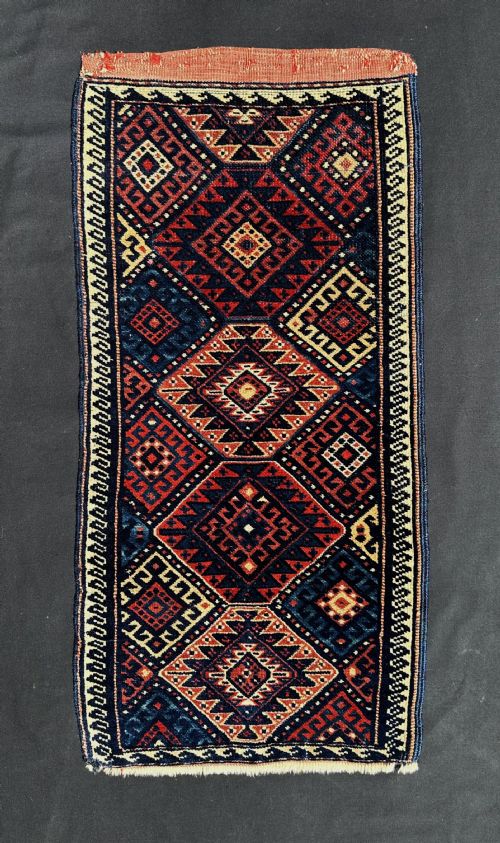
A persian rug pillow transforms antique woven objects into soft furnishings for domestic seating. Buyers encounter repurposed utilitarian items such as saddlebags, bag faces, pushti faces and small kilims rather than newly manufactured cushions.
The objects stem from nineteenth and early twentieth century tribal weaving traditions across Persia. Workshops and nomadic groups like the Qashqai, Baluch, Kurdish, Khamseh, Shahsavan and Bidjar produced these textiles for daily nomadic life before merchants later mounted them as cushions.
Most examples take the form of square or rectangular cushions fashioned directly from complete or fragmented bag faces. These retain the original pile or flatweave surfaces created by tribal weavers.
Judging Quality and Character
Quality rests upon the fineness of the wool, the clarity of the natural dye palette and the integrity of the tribal design. Tightly spun wool and crisp geometric or animal motifs indicate superior weaving skill from the originating tribe.
The preservation of the original textile surface dictates the desirability of each piece. Expert conversion respects the historical pile or kilim weave, maintaining the authentic character of the antique textile without compromising its structural strength.
Current selections feature pieces dated from the mid-nineteenth century up to the early twentieth century, spanning 1850 to 1920.
The Persian Rug Pillow Glossary
- Bag face
- The decorative front panel of a nomadic storage bag, which is frequently repurposed into a cushion.
- Kilim
- A flatweave textile produced without pile, offering a smooth, tapestry-like surface.
- Pushti
- A small scatter rug or cushion face originating from Persian tribal traditions.
- Saddlebag
- A paired storage container woven for transport on animals, often separated later to create individual cushions.
- Natural dyes
- Colourants derived from plants, insects and minerals, producing organic hues that age with subtle variation.
Persian Rug Pillow: Frequently Asked Questions
What is a persian rug pillow made from?
These cushions are constructed from genuine antique Persian tribal textiles, utilising hand-spun wool and cotton foundations.
The surfaces consist of original pile or flatweave bag faces created by nomadic groups during the nineteenth and early twentieth centuries.
Are these cushions made from old rugs?
They are fashioned from authentic antique tribal items such as saddlebags, bag faces, kilims and pushtis rather than modern manufactured rugs.
Craftsmen repurpose these historical textile fragments into cushions while preserving the original nomadic weaving.
Which tribes made these textiles?
The materials originate from various nomadic and village groups including the Qashqai, Baluch, Kurdish, Khamseh, Shahsavan and Bidjar.
Each group utilised distinct geometric motifs, regional colour palettes and specific weaving techniques rooted in their local heritage.
How do I care for a tribal cushion?
Protect the antique wool and natural dyes by keeping the cushion out of direct sunlight to prevent fading over time.
Gentle surface cleaning or professional textile maintenance preserves the integrity of the historical fibres and the natural dyes.