


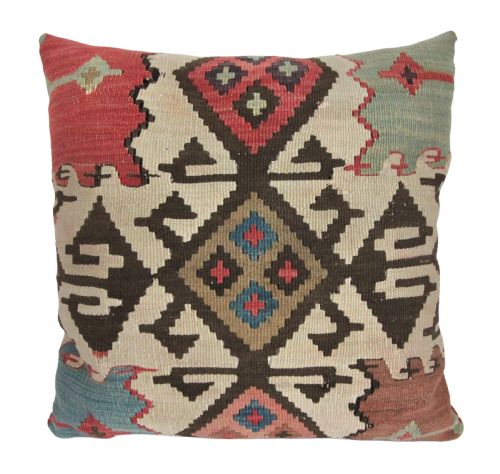
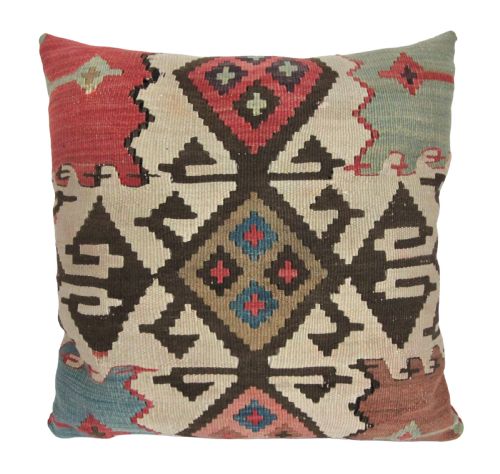

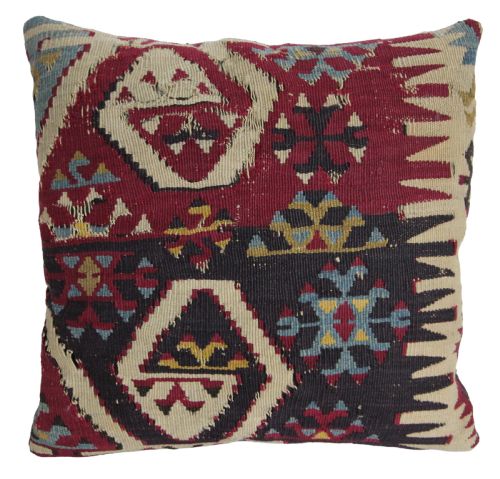


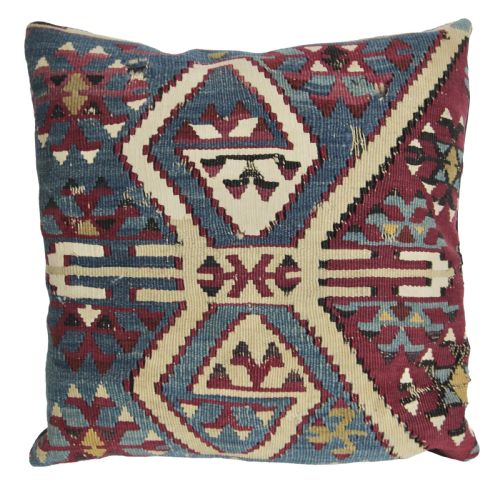


Woven Wool Throw Pillow
A woven wool throw pillow brings rich texture and history to a room through repurposed tribal bag faces and antique fragments.
Woven Wool Throw Pillow
A woven wool throw pillow turns antique textiles into practical cushions and soft furnishings for daily use. When searching for a woven wool throw pillow, buyers encounter kilim cushions, Kurdish bag face cushions, and French Chateau tapestry pieces.
The selection ranges from mid nineteenth century kilims to seventeenth century tapestry cushion covers. These items repurpose traditional Anatolian tribal weaving and European formal styles into decorative cushions.
Bag faces from nomadic groups and traditional Anatolian designs form the core of the current offerings. Each cushion preserves historical textile fragments within a soft furnishing format.
How they were made
These items rely on traditional hand weaving techniques using wool, cotton, and silk fibres. Artisans combined flatweave kilim methods with tapestry work to create durable structural surfaces.
Finishing details often incorporate pasementerie trims alongside the primary woven wool and tapestry panels. The construction unites antique textile fragments with supportive backing materials for household use.
Woven Wool Throw Pillow Retail Price Guide 2026
Typical asking prices for woven wool throw pillow among the pieces listed under this phrase on Sellingantiques today, from the lower quarter to the upper quarter. They describe what is for sale here now, not the wider market.
The object forms comprise various configurations of cushions, pillows, throw cushions, and soft furnishings.
What varies in quality
The standard of a woven wool throw pillow depends on the integrity of the original textile fragment and the precision of the hand weaving. Finer pieces display tighter knotting and more intricate tribal or baroque motifs.
Condition varies according to the age of the materials, stretching from seventeenth century tapestry covers to early twentieth century bag faces. The authenticity of the antique source material dictates the character of each finished cushion.
The Woven Wool Throw Pillow Glossary
- Kilim
- A flatwoven carpet or rug produced in countries of the former Ottoman Empire, Persia and Central Asia. These textiles form the main body of many antique cushions.
- Bag face
- The decorative front panel of a nomadic storage bag, often repurposed into a cushion. These pieces display specific tribal patterns passed down through generations.
- Tapestry
- A form of textile art woven on a vertical loom, traditionally used in European chateaus. Seventeenth century examples bring formal baroque styling to cushion covers.
- Pasementerie
- Edging and ornamental trimmings such as tassels, braids, and cords. This material is used to finish the borders of antique cushions.
- Anatolian tribal
- Designs originating from the nomadic weaving traditions of the region bridging Europe and Asia. These motifs provide the geometric patterns seen on many cushions.
Woven Wool Throw Pillow: Frequently Asked Questions
What is a woven wool throw pillow?
A woven wool throw pillow is a decorative cushion constructed from antique textile fragments such as kilims, tribal bag faces, and tapestry covers. These items repurpose historical hand woven materials into functional soft furnishings.
They bridge historical textile collecting and interior decoration, offering a way to display centuries-old craftsmanship on modern seating.
How do I care for an antique cushion?
Antique cushions require gentle maintenance to preserve the fragile wool, cotton, and silk fibres. Professional specialist cleaning is recommended for seventeenth century and nineteenth century pieces.
Keep them away from direct sunlight to prevent the natural dyes from fading over time.
Where do these antique textiles originate?
The textiles originate from various traditions including Anatolian tribal weaving, Kurdish nomadic groups, and European baroque workshops. Each piece reflects the specific culture and hand weaving techniques of its maker.
These origins span from seventeenth century European chateaus to nineteenth century tribal communities.
How can I tell the age of a cushion?
Dating relies on identifying the underlying textile style, such as seventeenth century tapestry work or nineteenth century kilim weaves. The complexity of the hand weaving and the type of materials provide clues to the period.
Comparing the motif structures against established tribal and formal design histories helps confirm the era.
Can I use these cushions every day?
These cushions are designed for decorative use on sofas and chairs within domestic settings. The durability depends on the condition of the original wool and tapestry fragments.
Gentle handling ensures the historical stitching and pasementerie trims remain intact.