





Nomadic Handwoven Pillow
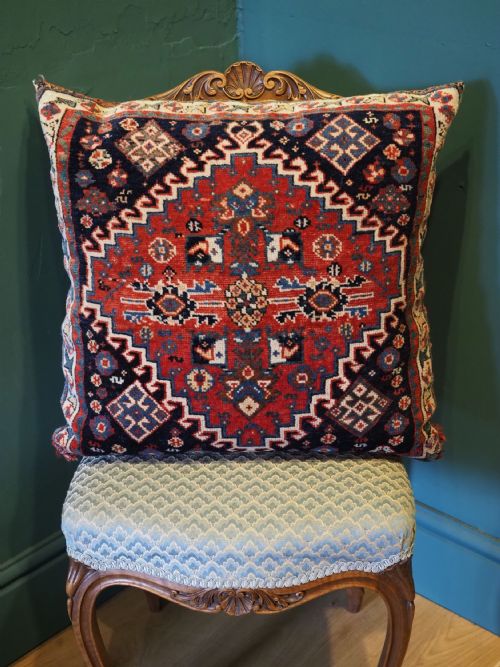
These nomadic handwoven pillow examples are authentic tribal textiles repurposed into cushions, bringing genuine folk history and tactile warmth into an interior.
Nomadic Handwoven Pillow
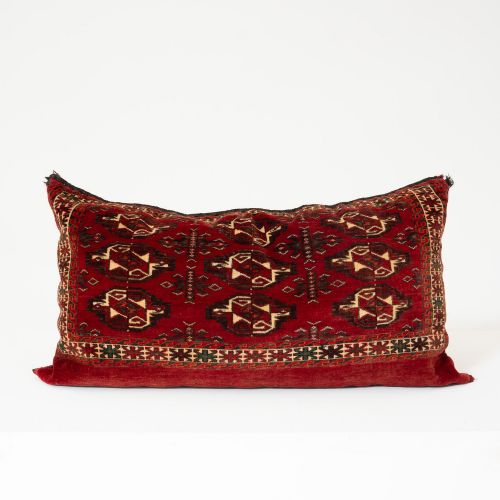
When you search for a nomadic handwoven pillow, you are looking at functional tribal weavings repurposed into cushion covers. These items originate from various traditional groups, including Baluch, Turkmen, Qashqai, Kurdish, and Shahsavan makers.
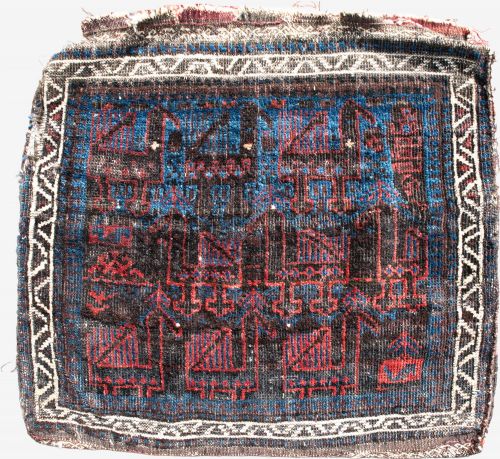
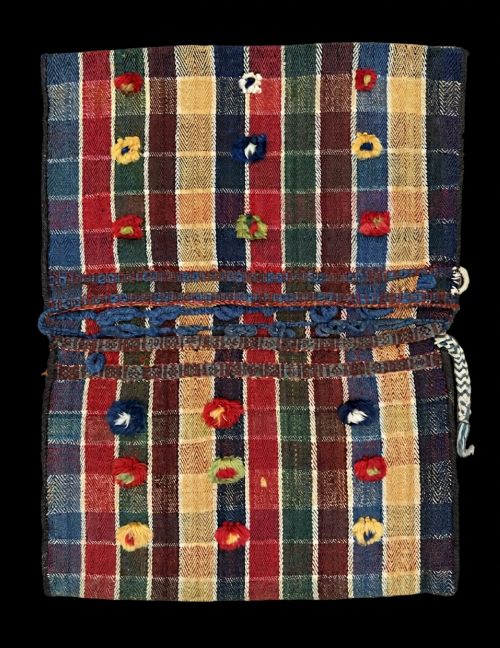
The pieces you meet on this page typically take the form of bag faces, storage bags, saddlebags, and kilims converted into cushions. Dating spans from the mid-nineteenth century through to the early twentieth century.
Many examples retain their original plain weave backs or incorporate traditional wool foundations. Their forms reflect the portable domestic needs of tribal communities across Persia, Anatolia, and surrounding regions.
What varies in quality
Quality rests in the fineness of the wool preparation and the tightness of the knotting or weave. Tightly spun hand-spun wool yields a more resilient surface that survives daily handling.
The complexity and clarity of traditional motifs, such as kepse gul patterns or specific tribal layouts, distinguish finer examples. The depth and character of the natural dye palette also elevate a piece.
Nomadic Handwoven Pillow Retail Price Guide 2026
Typical asking prices for nomadic handwoven pillow among the pieces listed under this phrase on Sellingantiques today, from the lower quarter to the upper quarter. They describe what is for sale here now, not the wider market.
Many of these cushions began their lives carrying grain or bedding across rugged terrain on the backs of camels.
The Nomadic Handwoven Pillow Glossary
- Bag face
- The decorative front panel of a utilitarian tribal storage bag. These panels display the primary weaving skill and pattern.
- Chuval
- A large Turkmen tent-storage bag used for bedding and household goods. Surviving fragments frequently become cushions.
- Torba
- A smaller Turkmen hanging bag traditionally used for domestic storage. They often feature distinctive guls.
- Gul
- A medallion motif repeated across Turkmen and tribal carpets. Each design identifies a specific tribe or clan.
- Kilim
- A flat-woven textile produced without a pile. These pieces form sturdy, reversible covers.
Nomadic Handwoven Pillow: Frequently Asked Questions
What is a nomadic handwoven pillow?
A nomadic handwoven pillow is a cushion created from an authentic antique tribal textile, such as a saddlebag or grain bag face.
These textiles were originally made by tribal groups for practical domestic use and have since been repurposed into home accessories.
How do I care for my cushion?
Protect your textile cushion from direct sunlight to prevent natural dye fading over time.
Gentle surface cleaning or professional specialist care is recommended to preserve the hand-spun wool fibres.
How can I tell different tribal designs apart?
Tribal designs differ through specific recurring motifs, structural techniques, and regional colour palettes.
For instance, Turkmen pieces often display repeating guls, while Baluch and Qashqai works show distinct pictorial or geometric field patterns.
Are these cushions made from authentic antique textiles?
The cushions on this page utilise genuine nineteenth and early twentieth-century tribal weavings.
Items such as torbas, chuvals, and kilims are carefully converted into cushion format while retaining their original hand-spun materials.