






Bohemian Tribal Cushion
A bohemian tribal cushion brings authentic nomadic textiles into a modern room, offering rich pattern and texture derived from old rugs and flatweaves.
Bohemian Tribal Cushion
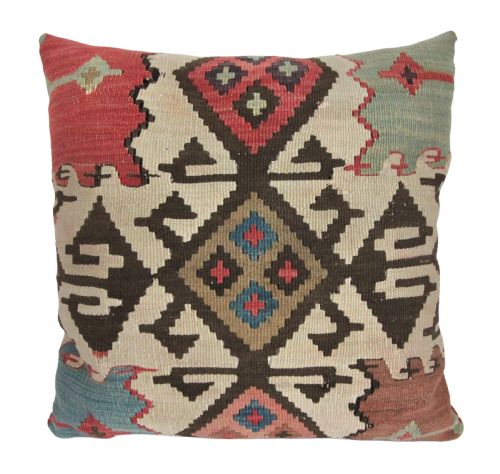
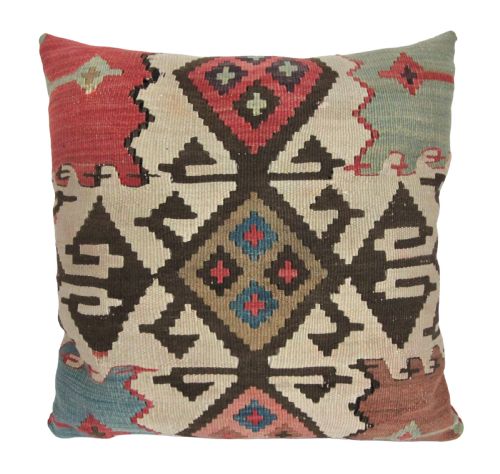
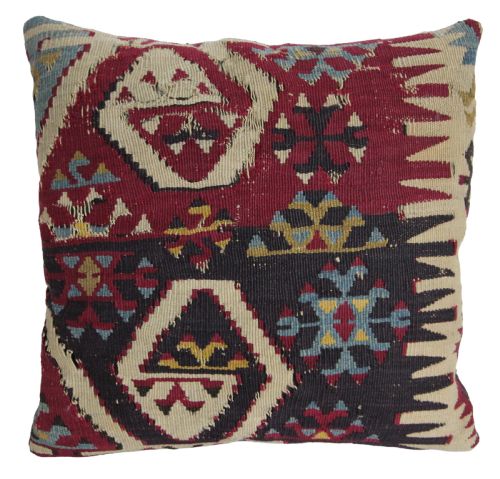
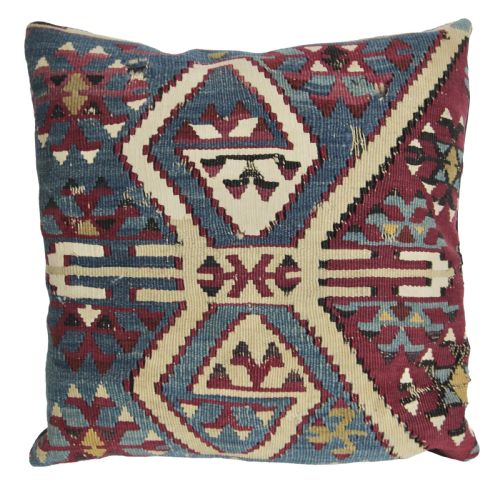
When you search for bohemian tribal cushion, you encounter soft furnishings fashioned from antique and vintage flatwoven textiles rather than newly manufactured fabrics. The selections here centre principally upon antique kilim cushions, alongside related forms made from bag faces and carpet fragments.
The pieces on this page draw their origins from traditional nomadic and tribal workshops, spanning the mid-nineteenth century through to the early twentieth century. Common stylistic designations among the listings include Anatolian tribal, Persian tribal, and nomadic tribal expressions.
Most examples utilise historical rug sections that have been repurposed into functional home accessories. These cushion formats allow historic woven art to find a practical place in contemporary seating arrangements.
Materials and construction methods
The physical character of a bohemian tribal cushion stems entirely from the wool and hand-spun wool used in the original flatwoven textiles. These natural animal fibres provide a dense, resilient pile-free surface that retains its tactile quality across generations.
Makers of the parent rugs employed traditional slit-tapestry weaving techniques, which create the characteristic geometric patterns and sharp colour transitions. These historic fragments are subsequently repurposed and backed to form sturdy cushions.
Bohemian Tribal Cushion Retail Price Guide 2026
Typical asking prices for bohemian tribal cushion among the pieces listed under this phrase on Sellingantiques today, from the lower quarter to the upper quarter. They describe what is for sale here now, not the wider market.
Many of these cushions began life as saddle bags carried across dusty plains before finding retirement on a sofa.
Distinctions in quality and execution
Quality in these cushions rests upon the integrity of the source textile and the fineness of the original weave. Finer hand-spun wool and more complex tribal motifs elevate an individual piece above simpler utilitarian examples.
The condition of the historic fabric dictates the overall calibre of the item. Retaining strong structural integrity in the weave ensures the cushion endures daily use while preserving its character.
The Bohemian Tribal Cushion Glossary
- Kilim
- A flatwoven carpet or rug produced without a pile, commonly utilised for these cushions. This technique yields a lightweight, durable textile with distinct geometric designs.
- Bag Face
- The front panel of a nomadic storage bag, often repurposed into smaller decorative items. These panels frequently display the most intricate tribal iconography.
- Nomadic Tribal
- A stylistic attribution reflecting pieces made by mobile pastoralist groups. Such designs typically incorporate symbolic motifs passed down through generations.
- Hand-Spun Wool
- Yarn processed manually using traditional spindle methods. This material imparts an irregular, organic texture to the surface of the weave.
Bohemian Tribal Cushion: Frequently Asked Questions
What is a bohemian tribal cushion?
A bohemian tribal cushion is a decorative soft furnishing constructed from authentic antique or vintage woven textiles, such as kilims and bag faces. These items repurpose historic nomadic craft into practical home accessories.
Each piece reflects traditional weaving practices from tribal regions, bringing historical patterns into modern interiors.
How do I care for these cushions?
Caring for antique textile cushions requires gentle handling to protect the historic wool fibres. Professional dry cleaning is generally recommended to preserve the integrity of the weave.
Avoid prolonged exposure to direct sunlight to prevent fading in the natural dyes used across the historic fabrics.
How are periods determined?
Dating relies on stylistic analysis of the tribal motifs, structural characteristics, and the nature of the wool. Pieces span from the mid-nineteenth century through the early twentieth century.
Evaluating the hand-spun quality and specific regional design traits helps place each item within its appropriate era.
Where do the textiles come from?
The source materials originate from traditional weaving cultures in regions such as Anatolia and Persia. Nomadic groups produced these flatweaves for everyday utility and shelter.
Over time, these durable carpets and storage bags are repurposed into the cushion formats available today.