





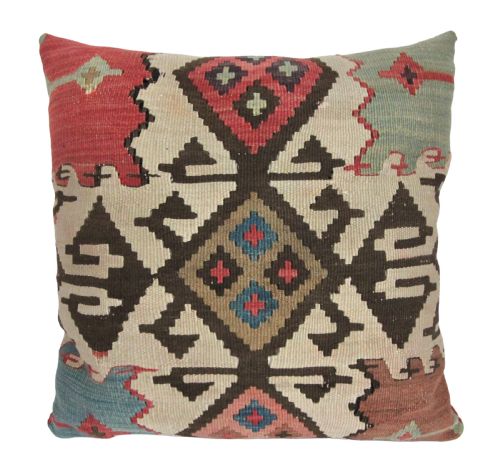


Vintage Kilim Throw Pillow
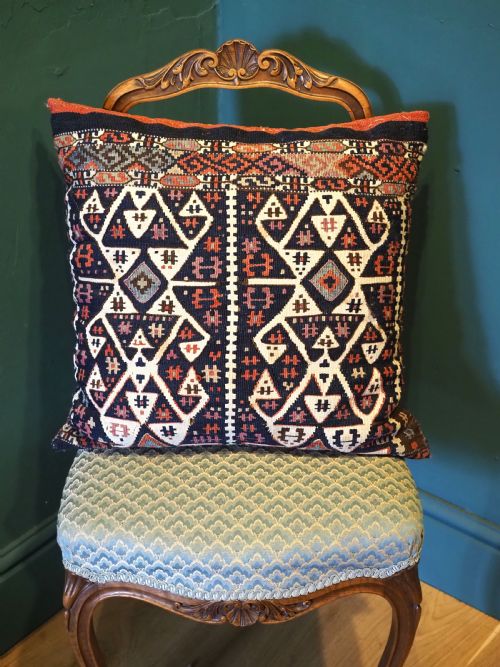
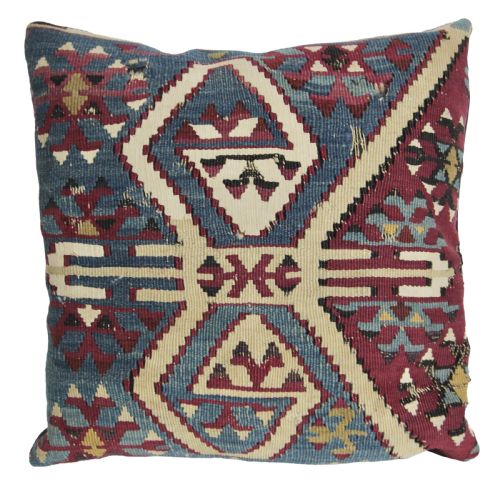
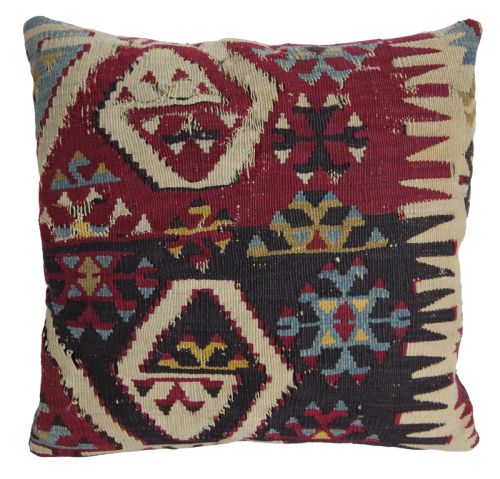
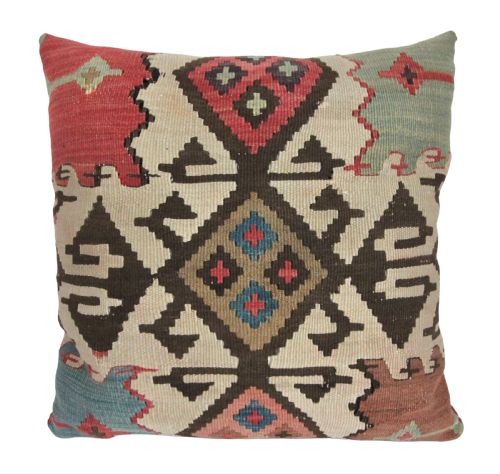
These vintage kilim throw pillow pieces bring genuine tribal warmth and texture into a room, fashioned from flat-woven carpets and bag faces.
Vintage Kilim Throw Pillow
When you search for a vintage kilim throw pillow, you are looking at decorative cushions and throw cushions created from older textiles such as saddle bags and bag faces. These items derive from Anatolian tribal and nomadic traditions, carrying distinct geometric patterns woven by hand in the nineteenth and early twentieth centuries.
The pieces you are most likely to meet on this page date from periods spanning the mid-nineteenth century up to the 1920s. They include individual antique kilim cushions alongside matched pairs, utilising authentic fragments of traditional weaving repurposed for modern interiors.
How they were made
These textiles are constructed primarily from hand-spun wool and cotton, utilising flat-weaving techniques where the coloured weft threads are beaten tightly against the warp to create crisp geometric designs.
The original articles - such as Malatya saddle bags and nomadic bag faces - were cut and assembled into cushions, preserving the durable structural integrity of the historic flat-woven carpets.
The listings on this page span several decades, featuring pieces from the 1850s, 1870s, 1900, and 1920s in wool and cotton.
What varies in quality
The distinction between a standard cushion and a superior example lies in the crispness of the tribal motifs and the depth of the natural dyes used in the wool. Pieces retaining the character of early bag faces show greater artistic expression.
Condition and the integrity of the original hand-woven textile surface determine the standing of each piece, distinguishing utilitarian conversions from finely preserved nineteenth-century fragments.
The Vintage Kilim Throw Pillow Glossary
- Kilim
- A flat-woven carpet or rug produced without a pile, traditionally made by nomadic tribes across Anatolia. These textiles form the primary fabric used for the cushions on this page.
- Bag face
- The decorative front panel of a nomadic storage bag, often featuring intricate tribal patterns. These historical fragments are frequently repurposed into throw cushions.
- Anatolian
- Pertaining to the region of Anatolia, encompassing modern-day Turkey. This area has a rich history of tribal and nomadic weaving.
- Warp
- The vertical threads held in tension on a loom before weaving begins. In these pieces, the warp is typically cotton or wool providing structural support.
- Weft
- The horizontal threads passed through the warp to create the visible pattern and colour of the textile. Tightly beaten wefts are characteristic of quality flat-weaves.
Vintage Kilim Throw Pillow: Frequently Asked Questions
What is a kilim cushion?
A kilim cushion is a decorative throw pillow made from sections of authentic flat-woven carpets or tribal bags. They bring historic textile art into contemporary living spaces.
These pieces utilise durable wool and cotton fabrics woven by nomadic makers, offering a tangible connection to nineteenth-century traditions.
How old are these cushions?
The items listed span from the mid-nineteenth century through to the early twentieth century, specifically covering periods such as 1850, 1870, 1900, 1920, and the wider nineteenth century.
Exact dating relies on the style of the Anatolian tribal motifs and the characteristics of the hand-woven materials used in construction.
How do I style them?
These cushions suit both modern and traditional interiors, adding texture and colour through their distinct tribal patterns. Pairs work well on larger sofas or armchairs.
Because they originate from functional items like saddle bags, they introduce a grounded, historic element to everyday seating.
Are they made from old rugs?
Yes, many are fashioned from older flat-woven textiles, including antique saddle bags and bag faces. This repurposing gives historical carpets a new domestic function.
The materials seen on this page consist entirely of wool and cotton woven in traditional Anatolian styles.