



Nomadic Wool Cushion
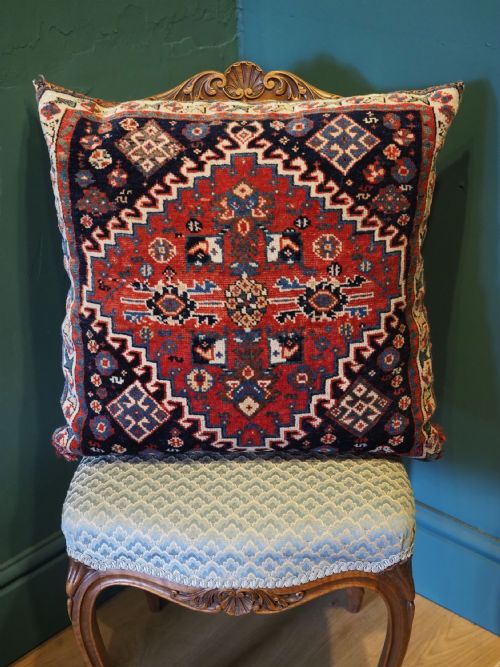
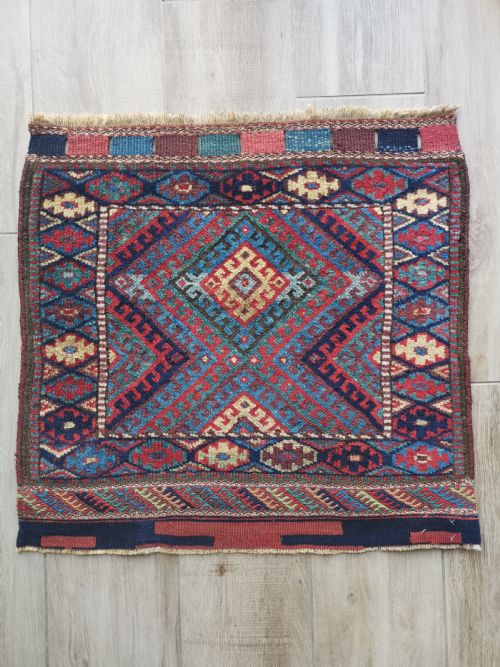
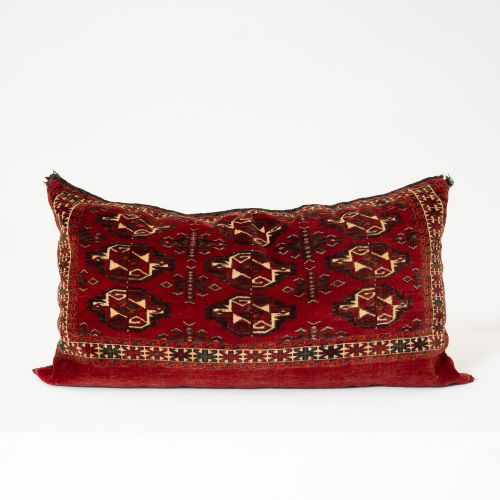
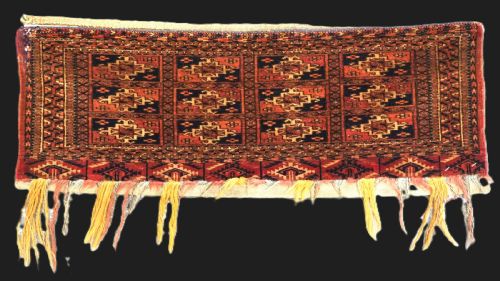
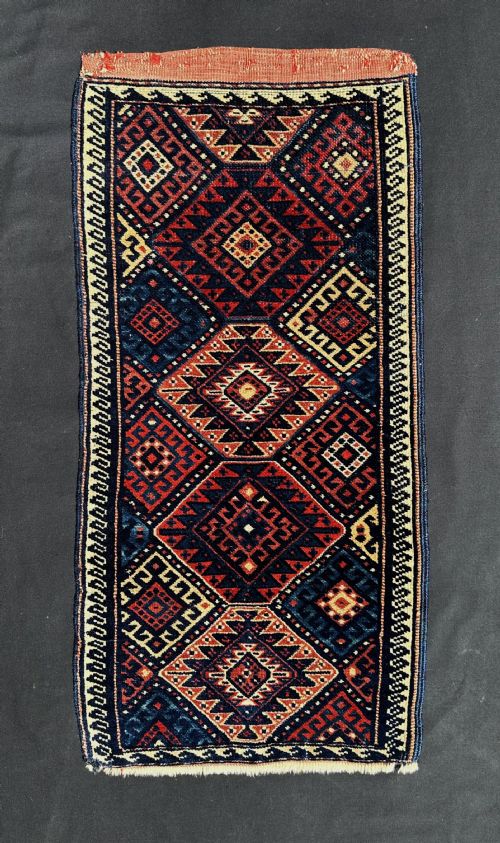
These nomadic wool cushion pieces are repurposed tribal storage bags and saddlebag faces that bring centuries of pastoral heritage directly into modern seating.
Nomadic Wool Cushion
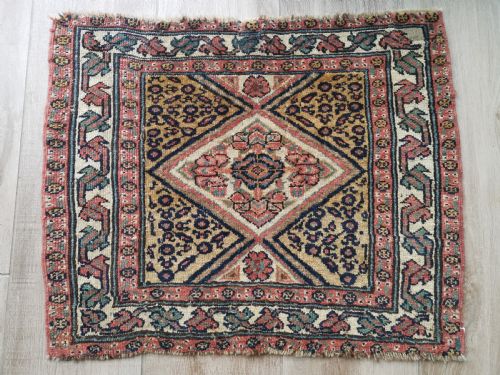
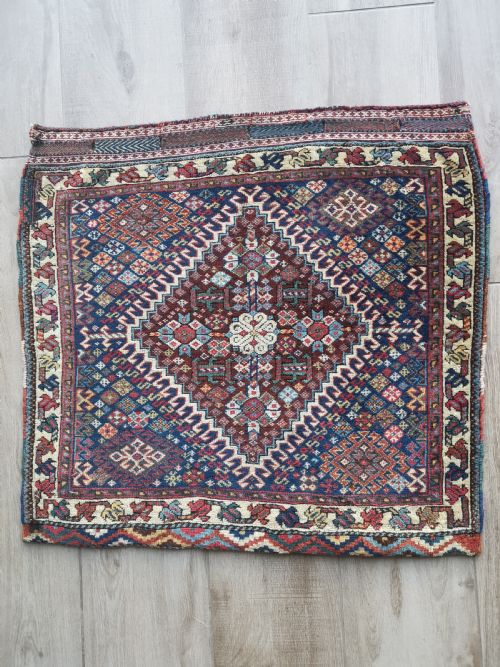
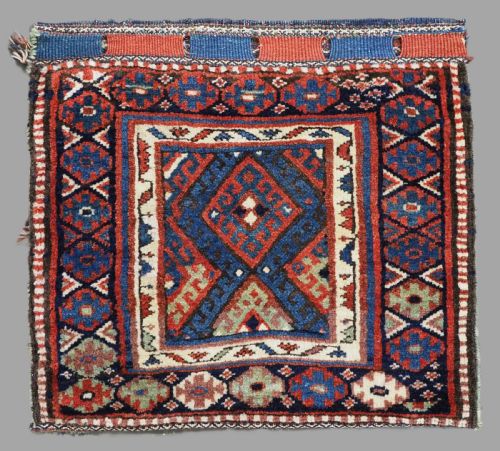
The forms span from complete bags retaining their original flatweave backs to single decorative faces and wheat sacks known as tacheh. These textiles date predominantly from the late nineteenth and early twentieth centuries, preserving the geometric motifs and tribal signatures of nomadic tent life.
Materials and construction methods
Makers utilised hand-spun wool and goat hair, combining pile knotting with flatweave techniques to create durable utility items that withstood the rigours of migration. Natural dyes provided rich colour palettes derived from local plants and minerals, embedding deep tones across the wool fibres.
The weavers constructed these textiles on portable horizontal looms set up in camps, incorporating cotton foundations in later examples. Artisans finished the edges with sturdy braided selvedges and occasionally added tassels or banded weft work to reinforce high-stress areas.
Many storage bags still harbour stray grains of wheat and desert dust tucked deep inside their original flatweave backs after a century.
Factors influencing quality
Quality rests upon the tightness of the weave and the crispness of the tribal design geometry, such as well-defined guls or boteh motifs. Finer knot counts and supple wool handles indicate superior craftsmanship by experienced weavers working within established tribal traditions.
The integrity of the original wool, the complexity of the dye work, and the survival of complete backs or tassels elevate an individual piece. Condition plays a role, though minor tribal repairs often reflect the authentic working life of the textile.
The Nomadic Wool Cushion Glossary
- Bagface
- The decorative front panel of a nomadic storage bag or saddlebag that is frequently preserved and mounted as a cushion. These faces display the primary motifs and most intricate weaving of the original piece.
- Chuval
- A large tent-storage bag traditionally used by Turkmen tribes for bedding and household goods. They often feature repeating octagonal motifs known as guls.
- Torba
- A smaller storage bag utilised within nomadic tents for provisions or personal items. They typically display horizontal banded designs or specialised tribal emblems.
- Soumac
- A wrapping technique used in flatweaving that creates a durable structure resembling embroidery on the reverse side. This method adds textural relief to saddlebags and rugs.
- Tacheh
- A large square wheat sack or grain container woven by Luri and Bakhtiari tribes. These items double as striking textiles with bold geometric field patterns.
Nomadic Wool Cushion: Frequently Asked Questions
What is a nomadic wool cushion?
A nomadic wool cushion is a decorative home accessory created from antique tribal bags, saddlebag faces, or storage sacks originally woven by pastoral nomads. These textiles repurpose nineteenth and early twentieth-century utilitarian items into usable soft furnishings.
Each piece retains the authentic wool pile, flatweave structure, and natural dyes applied by weavers from regions including Persia and Central Asia.
How were these bags originally used?
Nomadic tribes utilised these woven containers for transporting and storing household possessions, grain, bedding, and personal belongings during seasonal migrations. Saddlebags rode across horses and camels, while torbas and chuvals hung inside tents to keep belongings organised.
Over generations, many of these sturdy containers lost their functional purpose, leading to their conversion into cushions and pillows for interior display.
How do I care for my cushion?
Maintain your wool cushion by gentle surface vacuuming with a low suction setting, taking care to avoid delicate fringe or tassels. Professional textile cleaning is recommended for deep maintenance to protect the natural dyes and historical wool fibres.
Keep the textile out of direct, prolonged sunlight to prevent the natural colours from fading over time.
How can I tell different tribal styles apart?
Tribal styles are distinguished by their specific structural patterns, colour combinations, and characteristic motifs such as Turkmen guls or Afshar boteh designs. Specific weaving groups utilised distinct formats, like the elongated proportions of Baluch balisht pillows or the square formats of Shahsavan soumac bags.
Geographical origins from Khorassan, Fars, or the Trans-Caspian steppes also impart regional palettes and structural traits unique to each confederation.