


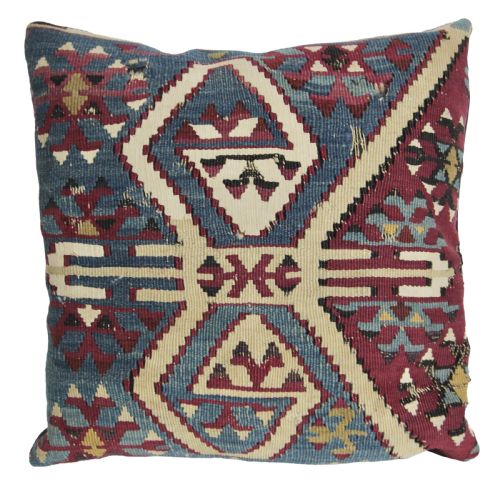
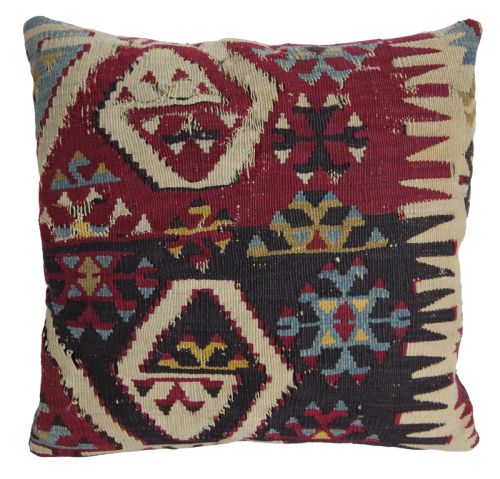


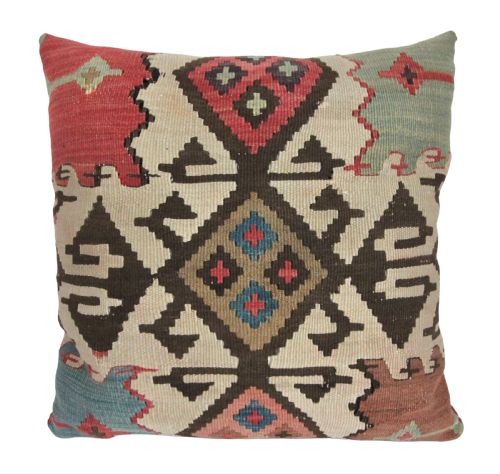


Geometric Bohemian Cushion
A geometric bohemian cushion brings textured tribal warmth into a modern room, offering authentic nomadic patterns rooted in history.
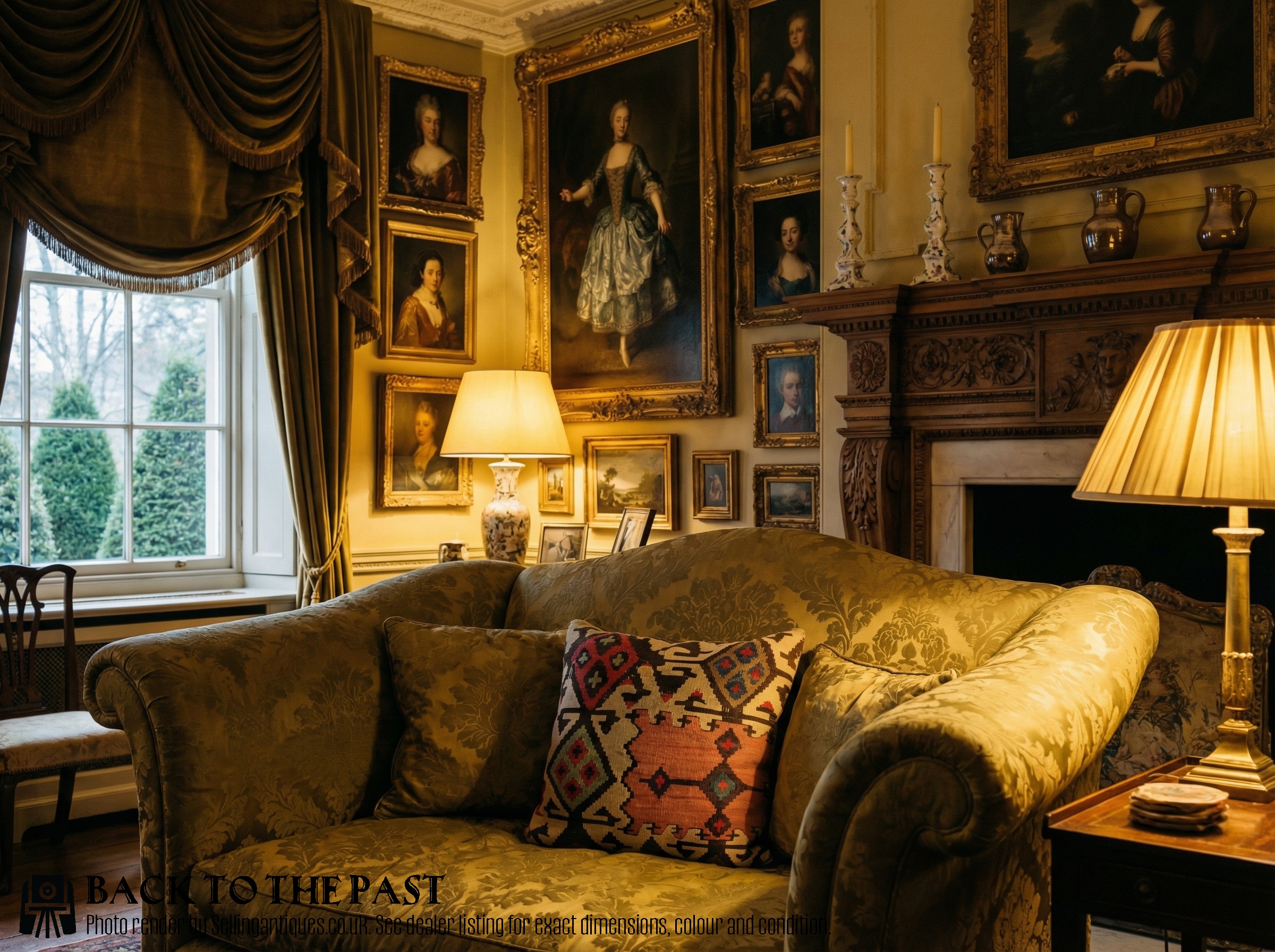
Geometric Bohemian Cushion
A geometric bohemian cushion draws upon centuries of nomadic textile tradition, featuring motifs passed down through generations of weavers. These pieces originate from distinct tribal regions, translating ancient weaving languages into decorative home objects.
The selections available here span the mid-nineteenth century through the early twentieth century, encompassing specific forms such as kilim cushions and rug cushions. Buyers will frequently encounter antique kilim cushions alongside early twentieth-century Baluch rug cushions and tribal bag face cushions.
Each item utilises authentic fragments repurposed from larger nomadic textiles, preserving historical weaving techniques within a contemporary cushion format. The physical presence of these pieces reflects the practical artistry of traditional Anatolian and Persian tribal makers.
How they were made
The foundational construction relies upon hand-spun wool and cotton, worked through traditional flat-weave and pile-weaving techniques. Artisans utilised durable natural fibres capable of withstanding the rigours of nomadic life, ensuring longevity in the finished textile.
Weavers constructed these tribal textiles on portable vertical or horizontal looms, employing supplementary weft-wrapping methods to create sharp geometric patterns. The resulting fabric combines structural integrity with dense, tactile surfaces characteristic of nineteenth-century nomadic craftsmanship.
Nomadic weavers frequently embedded protective symbols within geometric borders, hoping to guard their families against the evil eye during long seasonal migrations.
What varies in quality
Quality in these textiles rests upon the tightness of the weave and the crispness of the geometric design execution. Denser fibre packing and precise line work distinguish finer examples from simpler utilitarian pieces.
The integrity of the original material substantially influences the overall character of the cushion. Pieces retaining robust, uncompromised wool and secure structural foundations represent the higher tier of surviving historic work.
The Geometric Bohemian Cushion Glossary
- Kilim
- A flat-woven tapestry textile produced without a pile, traditionally utilised by nomadic groups for floor coverings and storage.
- Bag face
- The decorative front panel of a nomad's pack or saddlebag, repurposed into smaller furnishing items due to its intricate pattern.
- Baluch
- A designation for rugs and textiles woven by Baluch nomadic tribes inhabiting regions across the borderlands of Iran, Afghanistan, and Pakistan.
- Anatolian
- Pertaining to the region of Asia Minor, now modern Turkey, known for distinctive regional weaving traditions and tribal designs.
- Flat-weave
- A textile construction method where the design is created by interweaving warp and weft threads without creating a raised surface pile.
Geometric Bohemian Cushion: Frequently Asked Questions
How were these vintage cushions used?
Originally, the woven fragments served practical functions as floor coverings, animal trappings, or storage bags within nomadic societies.
Over time, these durable utilitarian textiles are transformed into cushions for domestic seating and decoration.
How do I live with antique cushions?
Living with antique textiles involves placing them in areas of moderate use where their hand-spun wool and natural dyes can be appreciated.
Regular gentle care preserves the historical structure while allowing the tribal patterns to anchor a modern room's aesthetic.
How do I tell periods apart?
Distinguishing periods relies upon identifying changes in wool preparation, dye saturation, and structural wear patterns across the weave.
Mid-nineteenth-century examples often display older material characteristics compared to pieces from the early twentieth century.