






Patterned Scatter Cushion
Patterned scatter cushion designs bring tactile warmth and rich colour to interiors through vintage and antique textiles repurposed for modern seating.
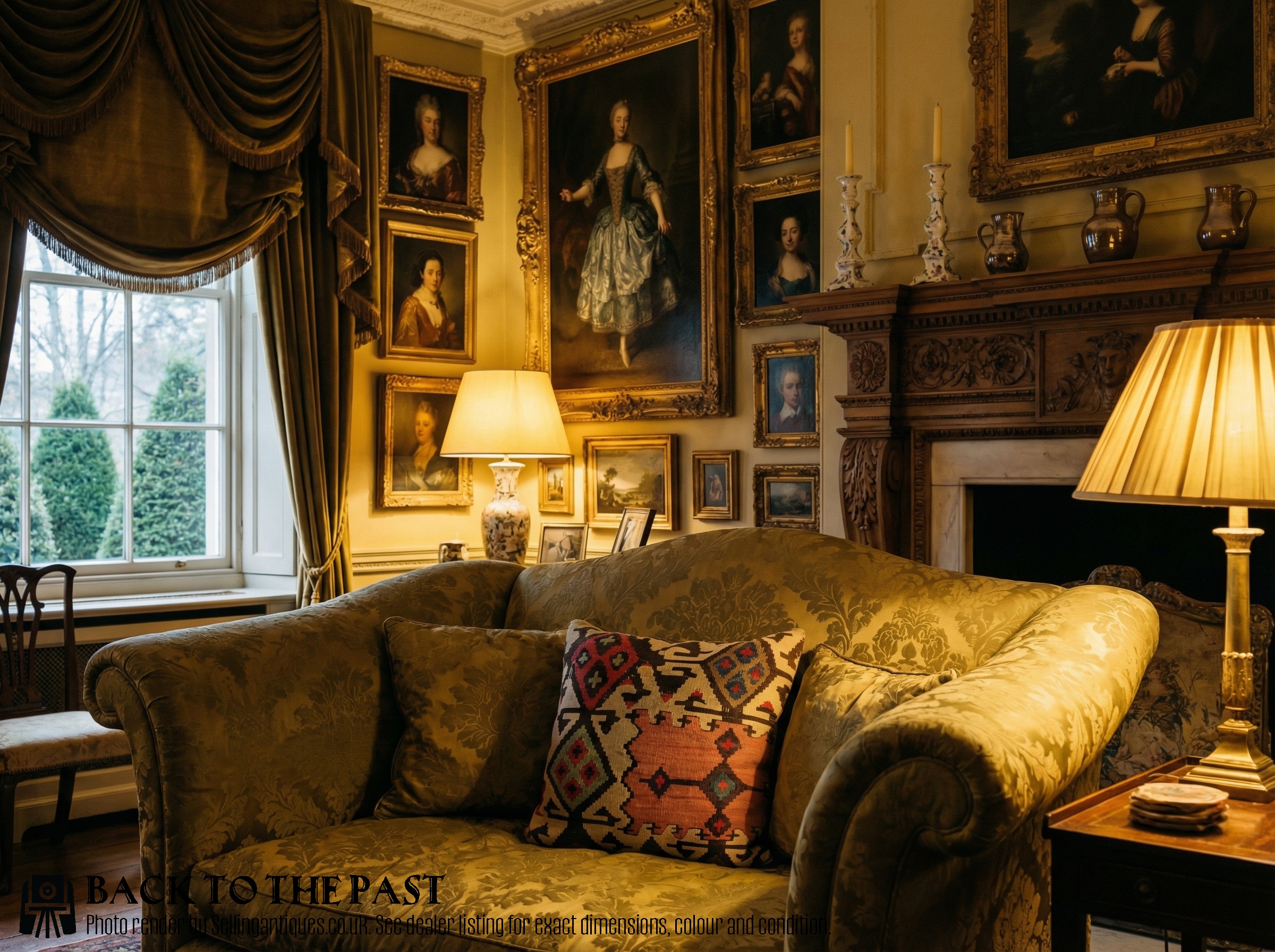
Patterned Scatter Cushion
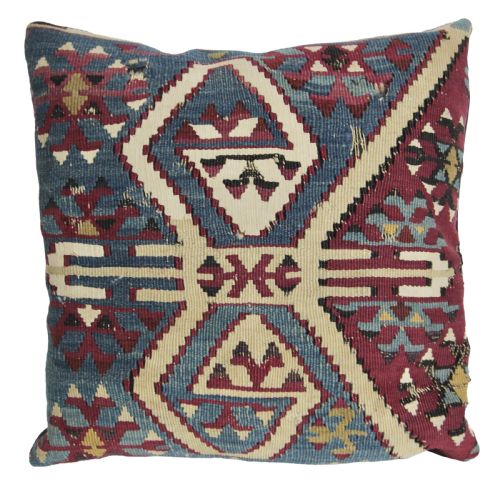
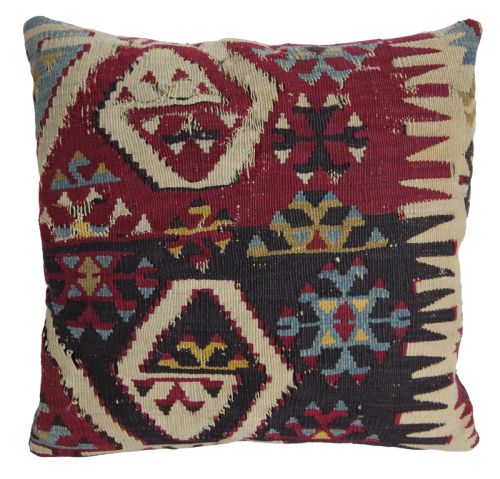
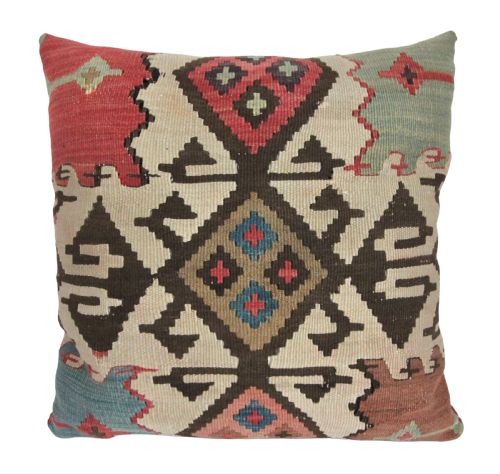
A patterned scatter cushion on this page typically takes the form of a vintage carpet cushion, a Kilim cushion, or a hand-woven bag face cushion. These pieces transform older flat-woven textiles into functional home accessories.
The selections span from the mid-nineteenth century through to the early twentieth century, encompassing periods such as 1850, 1870, 1920, and the broader nineteenth century. Buyers encounter robust nomadic and tribal forms rather than delicate modern productions.
Originating largely from traditional and tribal workshops, these items showcase designs deeply rooted in Anatolian craft. They serve as throw cushions that introduce historical pattern directly onto armchairs, benches, and sofas.
How they were made
Makers constructed these cushions using durable natural materials like wool and cotton, sourced and spun by hand for longevity. The face of each cushion relies on traditional flat-weaving techniques that produce dense, textured surfaces.
Textiles originally fashioned as utility bags or floor coverings were cut and repurposed into cushion formats. Artisans paired these historic woven faces with complementary fabric backs to create stable, usable home furnishings.
Nomadic weavers occasionally embedded small protective motifs within bag faces to ward off misfortune, now enjoyed simply as charming asymmetry.
What varies in quality
Quality rests primarily in the integrity and tightness of the original weave, alongside the survival of the early dyes and motifs. Tightly packed wool yarns endure handling far better than looser structures do.
The character and clarity of the tribal design set superior examples apart from simpler pieces. Patination acquired over decades of age contributes depth to the visual appeal without compromising the fabric structure.
The Patterned Scatter Cushion Glossary
- Kilim
- A flat-woven carpet or rug produced without a pile, frequently utilised for vintage cushions. This technique results in a lighter, flexible textile with sharp geometric patterns.
- Bag face
- The decorative front panel of a nomadic storage bag, salvaged and transformed into a cushion. These panels often display the most concentrated and skilled weaving of a piece.
- Anatolian tribal
- Pertaining to the traditional weaving styles of Anatolia, encompassing nomadic and village communities. These designs rely on symbolic motifs passed down through generations.
- Throw cushion
- A small, loose pillow designed to add comfort and decorative pattern to seating. In this context, the format preserves antique flat-weaves for daily domestic use.
Patterned Scatter Cushion: Frequently Asked Questions
What is a patterned scatter cushion made from?
These cushions are constructed from traditional woven textiles, primarily featuring wool and cotton materials sourced from older carpets and bags.
Artisans repurpose these historic fabrics into functional home furnishings designed for daily use on seating.
How do I date an antique cushion?
Dating relies on the style of the weave, the types of natural dyes employed, and structural evidence from the textile's previous life.
Pieces recorded here span from the mid-nineteenth century up to the early twentieth century, reflecting distinct tribal traditions.
Are these cushions made from old carpets?
Yes, many examples utilise sections cut from vintage floor rugs, kilims, or nomadic storage bags to form the decorative front panel.
This practice gives durable historical textiles a new purpose as decorative scatter cushions in modern interiors.
How do I care for a wool cushion?
Wool requires gentle treatment to preserve the natural fibres and traditional dyes present in these vintage flat-weaves.
Regular light vacuuming with an appropriate attachment helps remove dust without pulling at the hand-woven yarns.