
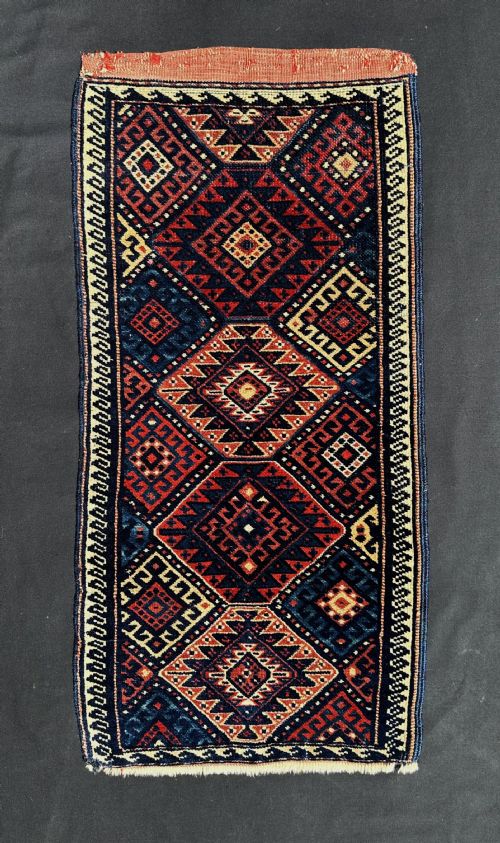


Antique Rug Pillow
These antique rug pillow pieces bring nomadic textile art into modern interiors through repurposed tribal bag faces and flatweaves.
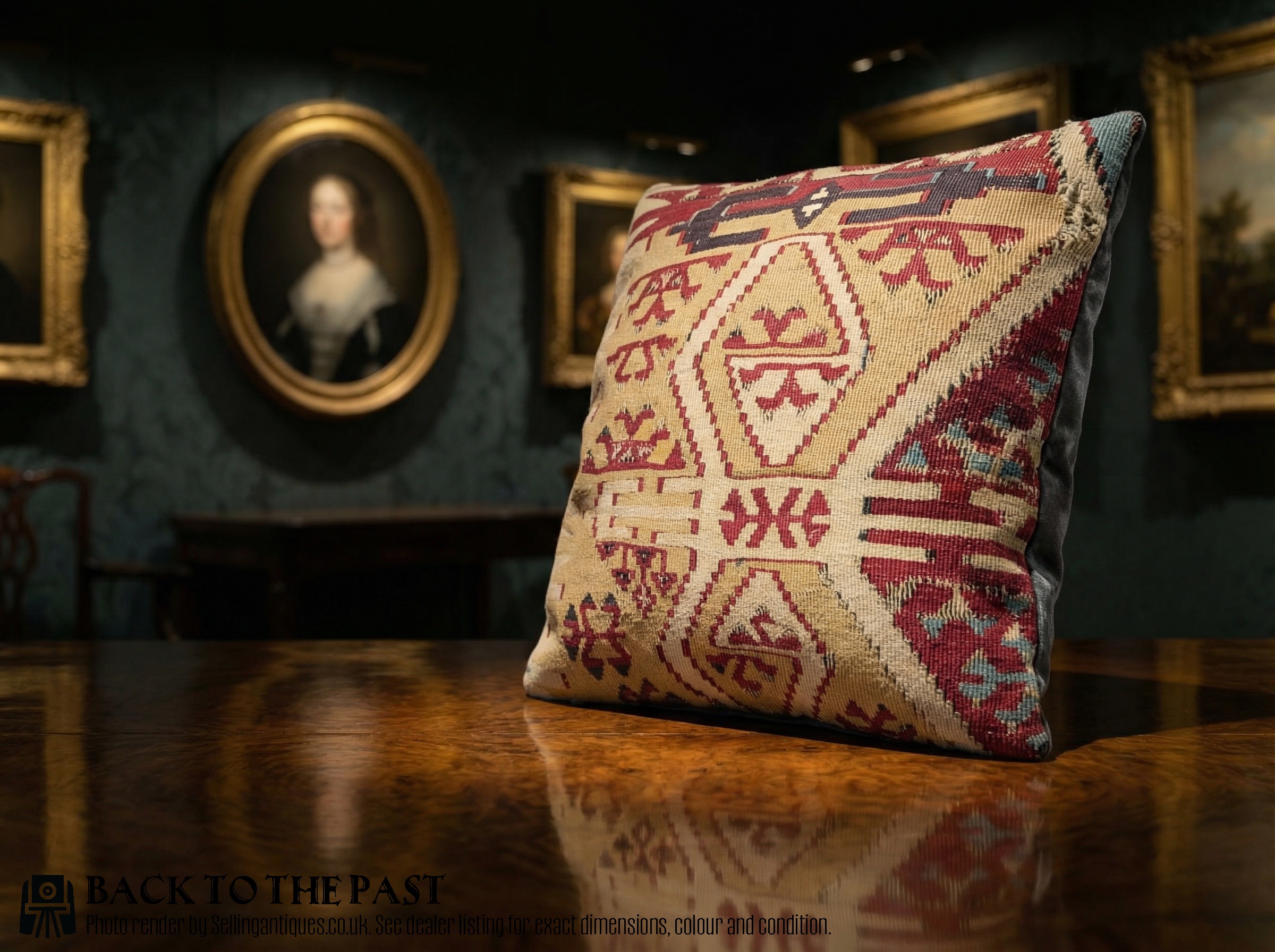
Antique Rug Pillow
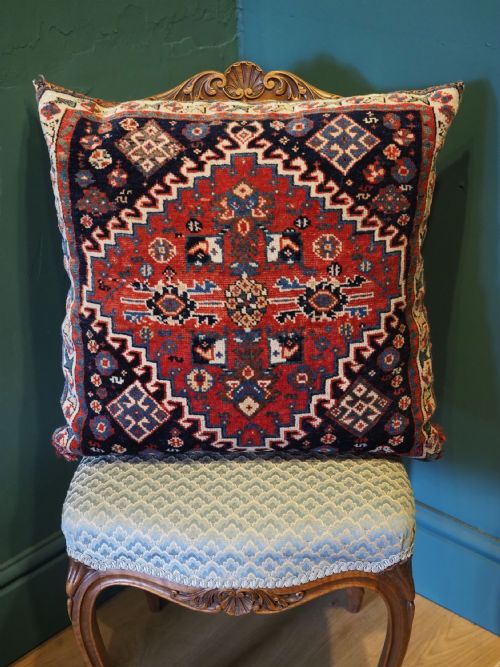
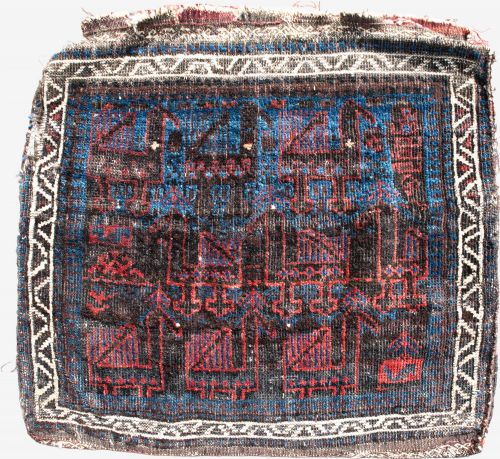
When searching for an antique rug pillow, buyers encounter textiles originally woven by nomadic and tribal groups across Persia, Anatolia, and Central Asia. These items frequently originate from repurposed utilitarian objects such as saddlebags, storage sacks, and bag faces.
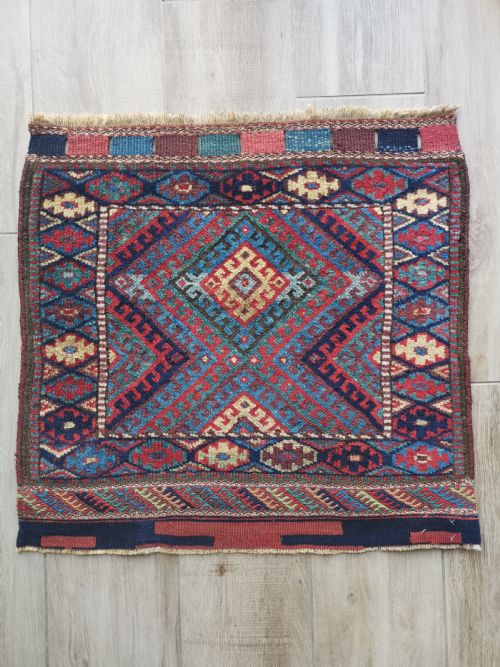
The selections available span the nineteenth and early twentieth centuries, capturing traditional regional patterns from tribes including the Turkmen, Baluch, Qashqa'i, and Shahsevan. Many examples present flatweave kilim structures or pile-woven surfaces adapted into cushions.
Makers fashioned these textiles for daily use within nomadic camps, deploying them to store grain, bedding, or personal possessions before later craftsmen converted them into decorative furnishings.
Materials and Construction
Weavers relied principally on hand-spun wool and cotton, utilising natural dyes derived from local plants and minerals to achieve deep colour palettes. These materials yielded dense, durable surfaces capable of withstanding decades of nomadic existence.
Production methods involved intricate pile knotting or flatweaving techniques like tapestry weave, depending on the specific tribal group and the intended function of the original bag face.
Many of these cushions began life as saddlebags carried across the mountains by nomadic tribes.
Factors of Quality
Quality rests upon the fineness of the weave, the clarity of the tribal motifs, and the richness of the natural dye palette. Tighter knots and well-balanced compositions distinguish superior examples.
Condition also plays a central role, particularly the integrity of the original wool and the preservation of tribal design elements such as guls or geometric borders.
The Antique Rug Pillow Glossary
- Bag Face
- The decorative front panel of a nomadic storage sack. These panels form the primary visual surface used in contemporary rug cushions.
- Torba
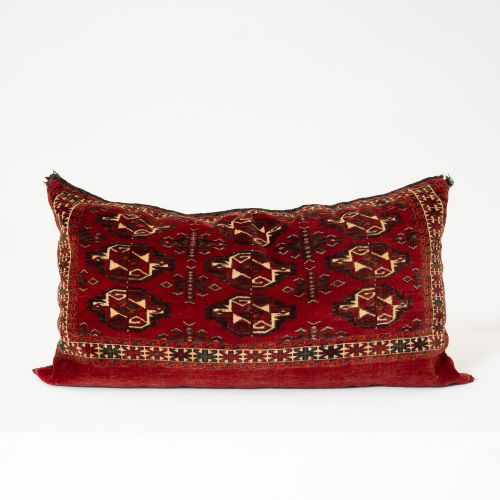
- A small storage bag produced by Turkmen tribes. They feature distinctive geometric medallions and traditional borders.
- Chuval
- A large Turkmen tent-storage bag. These pieces display multiple guls and substantial tribal iconography.
- Balisht
- A traditional tribal pillow or small sleeping bag face. They offer intimate proportions well-suited for cushion conversion.
- Gul
- An octagonal medallion motif repeated across Turkmen carpets and torbas. Each pattern identifies a specific tribal lineage.
Antique Rug Pillow: Frequently Asked Questions
What is an antique rug pillow?
An antique rug pillow is a decorative cushion created from historical nomadic textiles, such as tribal bag faces or flatweaves.
These pieces repurpose nineteenth and early twentieth-century utilitarian items into functional home furnishings.
How do I identify tribal origins?
Tribal origins reveal themselves through specific design motifs, colour combinations, and structural weaving techniques.
For instance, Turkmen pieces often display repeating octagonal guls, while Persian tribal items feature geometric field patterns.
Are these cushions made from authentic rugs?
Yes, they utilise authentic antique nomadic weaving rather than modern reproductions.
Craftsmen convert historical saddlebags, storage sacks, and kilim fragments into cushions while preserving the original face.
How do I care for an antique wool cushion?
Care requires gentle treatment appropriate for aged natural fibres and vegetable dyes.
Regular light vacuuming without a beater bar and professional textile cleaning help maintain the wool and cotton structures.