







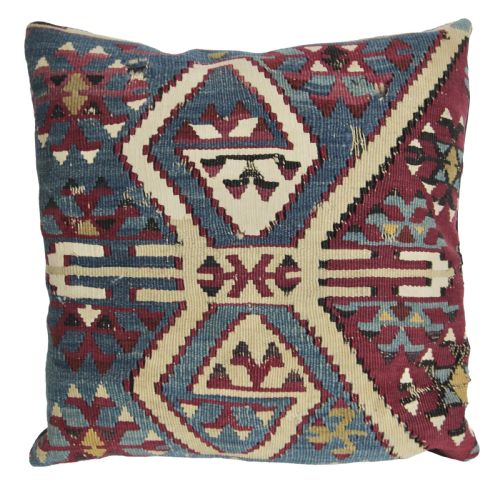


Tribal Throw Pillow
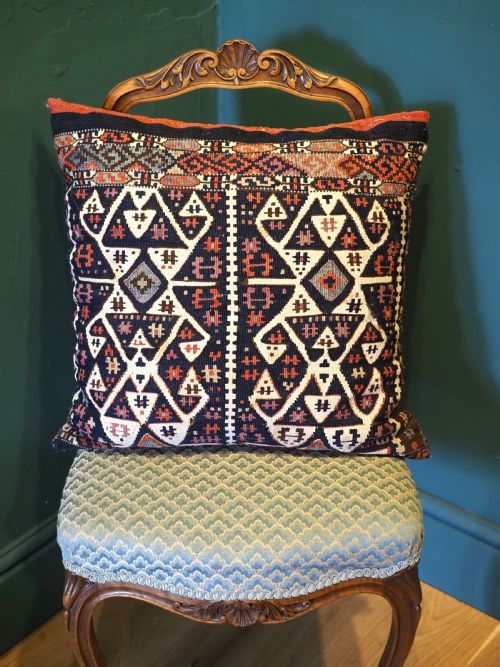
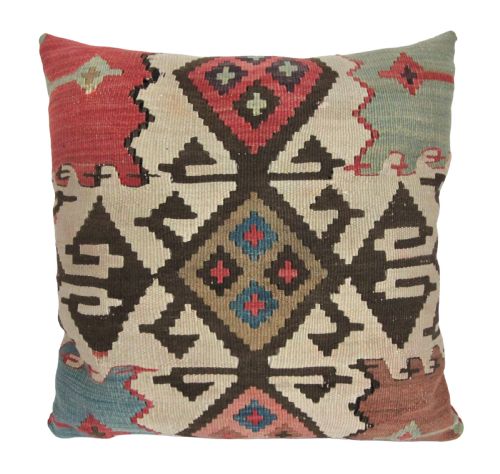
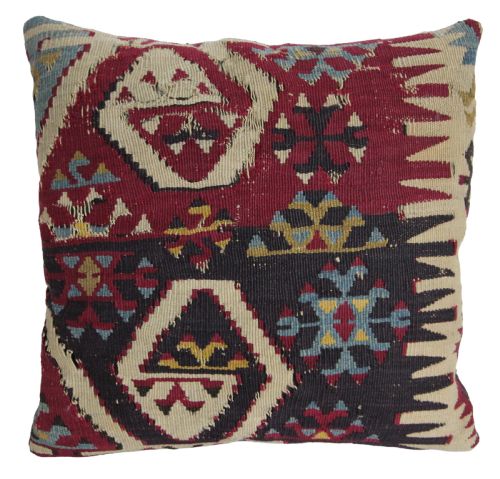
These tribal throw pillow examples are genuine antique woven cushions derived from nomadic textiles, offering rich texture and heritage pattern for modern interiors.

Tribal Throw Pillow
When you search for a tribal throw pillow, you encounter antique cushions and pillows formed from historic woven textiles. These pieces repurpose nomadic items into functional home furnishings.
The most common examples on this page are kilim cushions and bag face cushions. They originate from various traditional weaving cultures and regional workshops.
The inventory spans from the middle of the nineteenth century through the early twentieth century. Common stylistic designations include Anatolian tribal, Kurdish tribal, and Persian tribal designs.
How they were made
These items rely on traditional hand-woven techniques executed with natural textile components. Artisans utilised wool and cotton fibres to construct the durable fabric faces.
Many pieces incorporate sections from older saddle bags or utilitarian storage containers. These flattened bag faces and kilim panels display flatweave construction methods passed down through generations.
Tribal Throw Pillow Retail Price Guide 2026
Typical asking prices for tribal throw pillow among the pieces listed under this phrase on Sellingantiques today, from the lower quarter to the upper quarter. They describe what is for sale here now, not the wider market.
Listings feature items dated from the nineteenth century up to the early twentieth century, utilising wool and cotton materials.
What varies in quality
The distinction between tiers rests upon the tightness of the weave and the complexity of the geometric pattern. Tighter knotting and precise geometric layouts indicate superior craftsmanship.
Condition and the integrity of the original textile structure influence the overall character. Examples retaining strong, saturated dyes stand apart from those with heavy fading.
The Tribal Throw Pillow Glossary
- Kilim
- A flatwoven carpet or rug produced by tightly interweaving warp and weft strands without a pile. This technique creates a smooth, durable surface suitable for cushions.
- Bag face
- The decorative front panel of a nomadic storage bag. These panels are frequently salvaged and made into cushions.
- Saddle bag
- A paired pouch used by nomads for transport on animals. Fragments of these functional items form the basis of several antique cushions.
- Nomadic
- Pertaining to communities that move seasonally. Their textiles reflect portable, utilitarian arts translated into domestic decor.
Tribal Throw Pillow: Frequently Asked Questions
What is a tribal throw pillow?
A tribal throw pillow is a decorative cushion constructed from antique flatwoven textiles and nomadic rugs. These pieces adapt historical weaving traditions into functional items for seating areas.
They bring tactile history and distinct geometric patterns into contemporary rooms. Each cushion preserves older hand-woven materials.
How were these cushions used originally?
The textiles used for these cushions originally served as utilitarian storage bags, saddle bags, or floor coverings in nomadic households. Over time, these woven items became worn or surplus to requirements.
Craftsmen later repurposed the intact panels into cushions and pillows. This practice preserved historic fabrics that might otherwise have been lost.
How do I clean a kilim cushion?
Cleaning antique woven textiles requires gentle handling to protect the wool and cotton fibres. Professional specialist cleaning is recommended for antique items.
Avoid harsh detergents and excessive water immersion. Surface dusting and careful airing help maintain the textile.
How do I date an antique cushion?
Dating relies on examining the types of wool, the dye palette, and the specific weaving structure. Stylistic traits associated with Anatolian, Kurdish, or Persian traditions offer further clues.
Comparative analysis with documented rugs and bags from the nineteenth and early twentieth centuries helps establish the period.