




Woven Tapestry Cushion
These woven tapestry cushion pieces combine historic textile fragments with decorative soft furnishings, bringing centuries of texture and pattern into a room.
Woven Tapestry Cushion
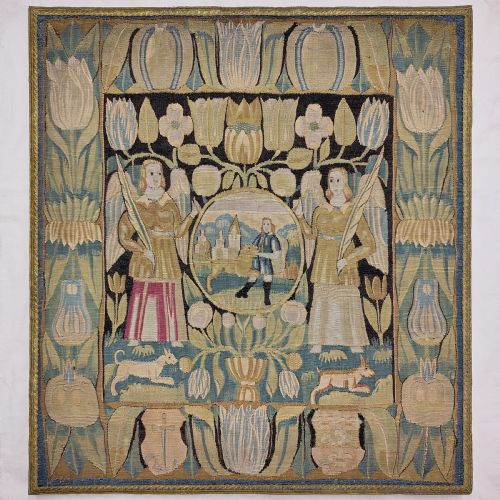
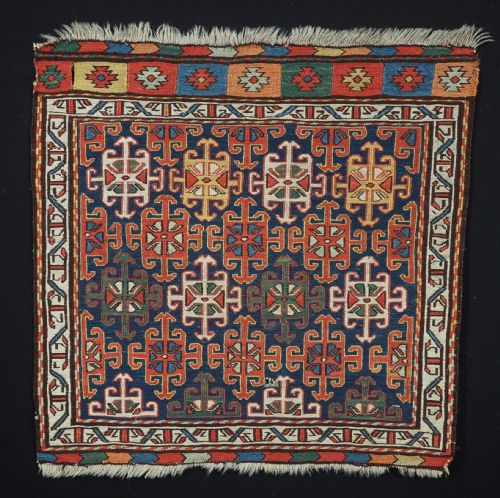
A woven tapestry cushion brings together historic textile fragments and traditional flatweaves, creating functional home furnishings from older materials. Buyers searching for a woven tapestry cushion will find examples constructed from seventeenth-century Flemish and North German fragments, alongside nineteenth-century tribal bag faces and flatweaves.
The forms range from seventeenth-century tapestry cushion covers to adapted Kilim and Shahsavan pieces. Many items utilise older fragments mounted into cushion format, blending antique textiles with modern soft furnishings.
Origins span European workshops producing Baroque and Renaissance designs, alongside Turkmen and Anatolian tribal regions. The selection leans heavily towards seventeenth-century European work and nineteenth-century tribal textiles.
Materials and construction methods
Construction relies primarily on wool, silk, linen, and cotton fibres. These materials appear in hand-woven tapestries, flatweaves, and soumak techniques.
Natural dyes provide the colour palette across both European tapestries and tribal pieces. Pasementerie and wood details occasionally complement the textile bodies.
Fragments of larger wall hangings and saddlebags are repurposed into cushion covers. This method preserves historic textile art within a domestic object.
Woven Tapestry Cushion Retail Price Guide 2026
Typical asking prices for woven tapestry cushion among the pieces listed under this phrase on Sellingantiques today, from the lower quarter to the upper quarter. They describe what is for sale here now, not the wider market.
Listings feature periods spanning from the sixteenth century through the nineteenth century, incorporating wool, silk, linen, and natural dyes.
Factors that define quality
Quality rests on the integrity of the textile fragment and the complexity of the weave. Finely executed soumak technique and well-preserved natural dyes distinguish superior examples.
The age and historical importance of the source material elevate certain pieces above standard decorative items. Intact seventeenth-century Flemish or North German fragments command attention for their pictorial depth.
Condition and careful adaptation from wall hangings or bag faces dictate the overall standard. Superior items retain structural stability while preserving the original character of the weave.
The Woven Tapestry Cushion Glossary
- Soumak
- A flatweave technique involving wrapping supplementary weft threads around warp threads. This method creates a textured, durable surface often found on saddlebags and bag faces.
- Flatweave
- A textile produced without pile by interlacing warp and weft threads. Kilims and certain tribal rugs utilise this method.
- Pasementerie
- Elaborate trimmings, braids, or fringes used to edge soft furnishings. Such details finish the borders of cushion covers.
- Fragment
- A surviving portion of a larger historic textile, such as a wall hanging or carpet. These pieces are frequently repurposed into smaller decorative items.
- Baroque
- An artistic style prevalent in the seventeenth century, characterised by ornate detail and dramatic composition. Many European tapestry fragments reflect this aesthetic.
Woven Tapestry Cushion: Frequently Asked Questions
What is a woven tapestry cushion?
A woven tapestry cushion is a soft furnishing made using historic textile fragments or traditional flatweaves. These pieces repurpose older materials into functional home accessories.
Many examples incorporate seventeenth-century European tapestry panels or nineteenth-century tribal bag faces into their construction.
How do I care for antique textiles?
Antique textiles require gentle handling and protection from direct sunlight to preserve natural dyes and delicate fibres. Regular light vacuuming through a mesh screen helps remove dust.
Professional cleaning is recommended for historic fragments to avoid damaging wool, silk, and linen yarns.
Where do these textile fragments originate?
The fragments originate from various European and tribal traditions. Sources include seventeenth-century Flemish and North German workshops, as well as Anatolian and Turkmen regions.
These diverse origins bring distinct design vocabularies, ranging from Baroque pictorial scenes to geometric tribal patterns.
Can I use these cushions daily?
Many examples function well as decorative soft furnishings for seating areas. However, fragile historic fragments require careful placement to minimise wear.
Using them primarily for display helps protect the older wool and silk yarns from heavy friction.
How can I tell the period of a cushion?
Dating relies on stylistic markers, weave structures, and the characteristics of the source material. Seventeenth-century pieces often feature European Baroque or Renaissance imagery.
Nineteenth-century items typically display Anatolian or Turkmen tribal flatweave designs and soumak techniques.